
Finishes that make wood look cheap often have uneven textures, inconsistent color, or too much gloss, which hide the wood’s natural beauty and emphasize flaws. Overly glossy or thick coatings can create a flat, artificial look, while rough or uneven textures suggest poor craftsmanship. These finishes also tend to obscure the grain and diminish the sense of authenticity. If you want to avoid these pitfalls and enhance your wood’s appearance, you’ll discover more tips below.
Key Takeaways
- Overly glossy or thick finishes can highlight flaws and make wood appear artificial or low-quality.
- Uneven coloring or blotchy application reduces perceived craftsmanship and authenticity.
- Excessively shiny or high-gloss coatings emphasize surface imperfections, giving a cheap appearance.
- Opaque or heavily pigmented finishes mask natural grain, diminishing the wood’s richness and value.
- Poor application techniques result in uneven texture and finish, making the wood look poorly crafted or inexpensive.
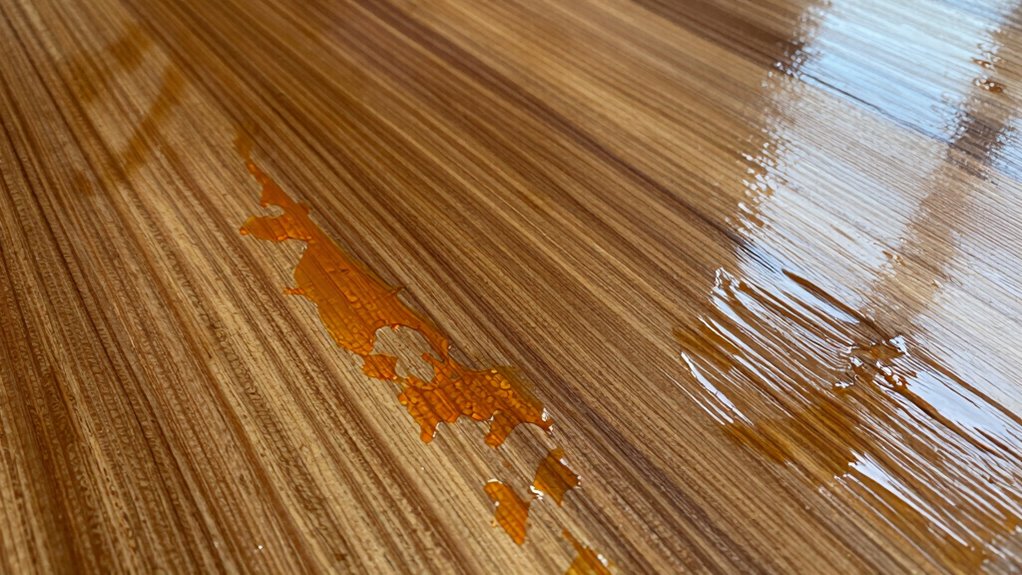
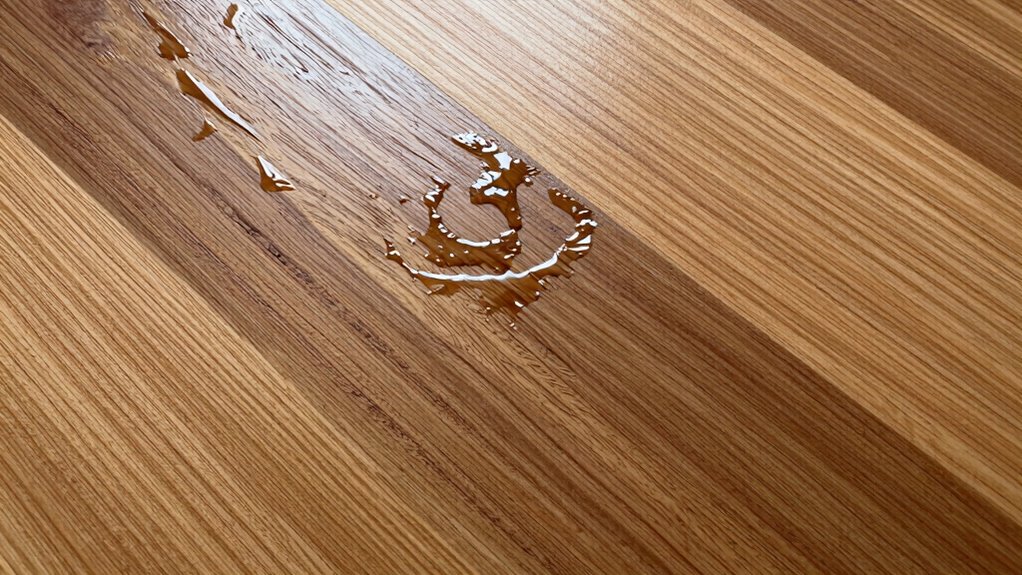
Choosing the right finish can dramatically impact how your wood looks, and some choices can make it appear cheap rather than elegant. The surface texture of the finish plays a fundamental role in this perception. When you opt for a finish that’s overly glossy or too smooth, it can give the impression of cheapness, especially if it highlights every flaw or unevenness in the wood. Conversely, a finish with a well-balanced texture adds depth and richness, making the wood feel more refined. A rough or uneven finish, even if intentionally designed, often suggests a lack of craftsmanship and can detract from the overall appeal. Additionally, the surface texture of the finish influences how light interacts with the wood, further affecting its perceived value. Color consistency is another essential factor that influences whether your wood looks high-end or inexpensive. When a finish results in uneven coloration—such as blotchy spots or inconsistent tones—it instantly cheapens the appearance. This often happens with poorly applied stains or finishes that don’t penetrate or dry evenly. On the other hand, a finish that maintains uniform color across the surface enhances the natural beauty of the wood and suggests quality. Achieving this consistency requires careful preparation, proper application techniques, and sometimes multiple coats to guarantee a smooth, even appearance. Using finishes that are too thick or overly shiny can also contribute to a cheap look. Thick coatings tend to obscure the natural grain and texture of the wood, making it appear flat and artificial. They can also crack or peel over time, further diminishing the perceived value. Similarly, finishes with a high gloss can be unforgiving, emphasizing surface imperfections and making the wood seem less sophisticated. Instead, opting for a matte or satin finish often delivers a more subtle, elegant look that highlights the wood’s natural qualities rather than overshadowing them. Another aspect that affects the perception of quality is the transparency of the finish. Opaque or heavily pigmented finishes tend to mask the wood’s character, leading to a less authentic appearance. Transparent finishes that enhance the grain and color depth tend to look more luxurious and well-crafted. When you choose a finish that complements the wood’s natural hue and showcases its unique patterns, you create a sense of richness and authenticity that elevates the overall look. Furthermore, understanding the application techniques can make a significant difference in achieving a high-quality finish. Proper technique ensures that the finish is applied evenly and smoothly, avoiding uneven application that can detract from a professional appearance.
As an affiliate, we earn on qualifying purchases.
Frequently Asked Questions
Can Applying Multiple Coats Improve the Appearance of Cheap-Looking Finishes?
Applying multiple coats can improve the appearance of cheap-looking finishes, but it depends on the product. It enhances varnish durability, creating a smoother, more polished look. Additionally, multiple coats can improve stain consistency, ensuring even color and reducing uneven patches. However, you should sand lightly between coats for best results. Keep in mind that overdoing it might make the finish look thick or uneven, so apply coats thoughtfully.
Are There Specific Wood Types That Resist Cheap-Looking Finishes Better?
Some wood types resist cheap-looking finishes better because of their natural wood grain and stain color. Hardwoods like oak, cherry, and walnut have unique, prominent grain patterns that enhance any finish, making it look richer. Softwoods like pine or cedar often show uneven staining and can appear cheaper if not finished carefully. Choosing the right wood with a beautiful grain and stain color helps your finish look more premium and durable.
How Does Lighting Affect the Perception of Wood Finishes?
Lighting ambiance dramatically influences how your wood finishes appear. Natural light enhances warm tones, making even simple finishes look rich and inviting. Conversely, harsh or dim lighting can cast shadows or dull the finish, revealing flaws or cheapness. You might think your wood looks fine in daylight, but under artificial or poorly balanced lighting, it can seem less appealing. Proper lighting lets your wood’s true beauty shine, elevating its perceived quality.
Can Sanding Before Finishing Enhance the Wood’s Appearance?
Sanding before finishing definitely enhances the wood’s appearance by improving surface smoothing and revealing more of the grain. It helps remove imperfections and creates a clean, even surface that allows the finish to bond better. By emphasizing grain enhancement, sanding brings out natural patterns and richness, making your wood look more refined and high-quality. Skipping this step can result in a dull or uneven finish, undermining the wood’s overall aesthetic.
Are There DIY Finish Options That Look More Upscale?
Think of your DIY finish as choosing a wardrobe; the right glossiness and color staining elevate your look. For a more upscale vibe, opt for a satin or semi-gloss finish, which adds sophistication. Use high-quality stain to enhance the wood’s natural beauty, avoiding cheap-looking flat finishes. A simple, well-applied polyurethane or varnish can make your project feel polished and professional, transforming everyday wood into something special.
As an affiliate, we earn on qualifying purchases.
Conclusion
Choosing the wrong finish can dramatically lower your wood’s appeal. For example, a glossy, overly thick polyurethane might make a fine oak table look plastic-like and cheap. To avoid this, opt for finishes that enhance the wood’s natural beauty, like a matte oil or a light stain. Remember, less is often more—subtle finishes highlight the wood’s character and keep your furniture looking timeless and high-quality.
As an affiliate, we earn on qualifying purchases.
As an affiliate, we earn on qualifying purchases.