
To prevent seasonal cracks in your spring woodworking projects, make certain you choose stable wood like oak or maple and properly dry and acclimate it before working. Incorporate allowances at joints and edges to accommodate expansion and contraction caused by humidity changes. Applying penetrating finishes can also help stabilize moisture levels. Regularly check your pieces for early signs of cracking, and design with flexibility in mind. Keep these tips in mind, and you’ll maintain durable, crack-free projects despite seasonal shifts.

Get business pricing on tools and workshop supplies
- Business-only prices and quantity discounts
- Tax-exempt purchasing
- Multiple users, one account, clear invoices
Key Takeaways
- Properly dry and acclimate wood in its intended environment before construction.
- Choose stable, moisture-resistant hardwoods suited for seasonal changes.
- Incorporate flexible joints and allow movement gaps at stress-prone areas.
- Apply penetrating finishes to help stabilize moisture content and reduce movement.
- Regularly inspect and maintain projects to address early signs of cracking or warping.
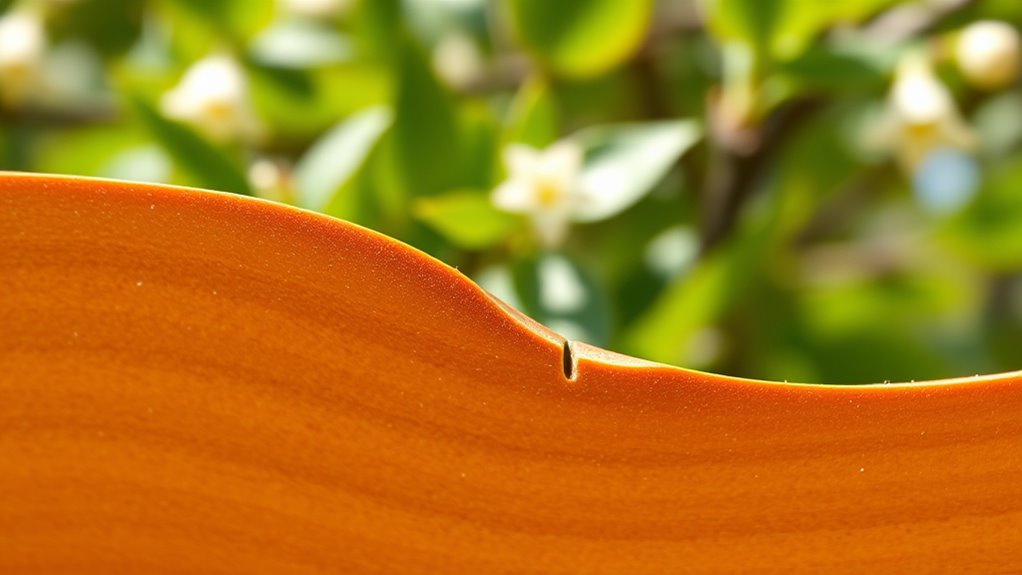
Are you ready to embrace the season of renewal with fresh woodworking projects? Spring is the perfect time to start new projects, but it also brings challenges like wood movement and seasonal expansion. As temperatures rise and humidity levels shift, the moisture content inside your wood changes, causing it to expand or contract. This natural reaction to environmental fluctuations can lead to cracks or splits if not properly managed. Understanding how wood responds to seasonal changes is essential to creating durable, long-lasting pieces.
Spring woodworking calls for awareness of wood movement due to seasonal moisture changes.
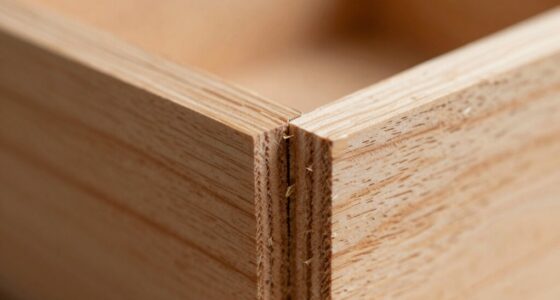
When the weather warms up and humidity increases, wood absorbs moisture from the air, leading to seasonal expansion. Conversely, in cooler, drier months, wood releases moisture and contracts. These cyclical movements may seem minor at first, but over time, they can cause stress within your projects. Cracks often appear along grain lines or at joints where the wood is restrained or unsupported. If you don’t account for wood movement, your carefully crafted piece can suffer from warping, splitting, or loosening of joints.
To prevent these issues, start by choosing the right type of wood. Hardwoods like oak, maple, and cherry tend to be more stable than softwoods, but no wood is completely immune to seasonal expansion. Always consider the wood’s natural tendencies and select species that are suitable for your climate. When working with wood, leave ample gaps or allowances in your design, especially at joints and edges that will experience the most movement. For example, using sliding dovetails or floating panels allows the material to expand and contract without causing damage.
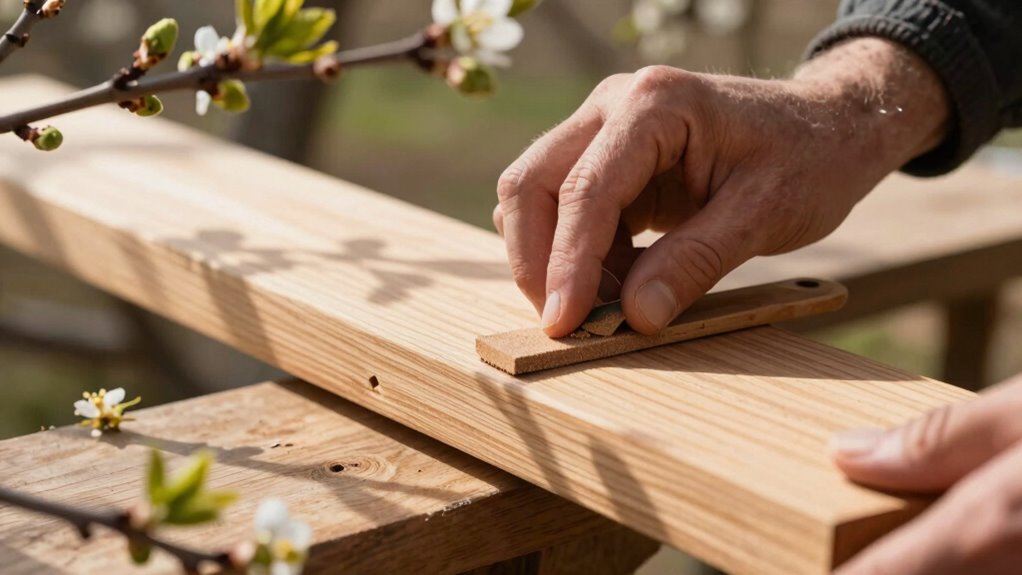
Proper drying and acclimation of your wood before beginning a project are vital. Store your wood in the environment where it will be used for at least a week or two, so it can adjust to the ambient humidity and temperature. This reduces the risk of surprises once your piece is assembled and exposed to fluctuating conditions. Additionally, applying a finish that penetrates the wood helps stabilize moisture levels, minimizing the effects of seasonal expansion. Keep in mind that finishes won’t stop movement but can help reduce the impact of moisture swings.
Another important factor is understanding Free Floating in woodworking, which allows parts of your project to move independently and accommodate seasonal changes. Finally, plan your woodworking projects with flexibility in mind. Allow for movement by designing joints that can accommodate slight shifts, and avoid tight fits that could cause cracking. Regular maintenance, such as checking for cracks or warping, allows you to catch issues early before they become serious problems. By understanding how wood reacts to seasonal changes and taking proactive steps, you’ll guarantee your woodworking projects stand the test of time and seasons, especially in the vibrant spring months when nature’s changes are most apparent.
Popular right now

Samsung 42-Inch S90H OLED 4K Smart TV Bundle

De'Longhi Linea Classic Espresso Machine with Adjustable Milk Frother

Vitamix Propel Series 750 Professional-Grade Blender, 4 Programs, Black
As an affiliate, we earn on qualifying purchases.
Frequently Asked Questions
How Does Humidity Affect Seasonal Cracking in Wood?
Humidity greatly impacts seasonal cracking in wood by disrupting its moisture balance. When humidity drops, your wood loses moisture, causing the fibers to contract and create stress. Conversely, high humidity can lead to excessive moisture absorption, resulting in fiber expansion. These constant fluctuations weaken the wood’s structure over time, increasing the risk of cracks. To prevent this, maintain a stable humidity level and avoid rapid moisture changes to protect your wood pieces.
What Types of Wood Are Most Prone to Cracks?
You’ll notice that softwoods like pine, cedar, and fir are more prone to cracks due to their lower wood density and more irregular grain patterns. These characteristics make them more sensitive to moisture changes, causing them to expand and contract unevenly. Hardwoods like oak or maple resist cracking better because of their higher density and consistent grain pattern, which helps them withstand seasonal shifts more effectively.
Can Sealing Wood Prevent Seasonal Cracks Effectively?
Sealing wood can effectively prevent seasonal cracks when you apply a good sealant during wood treatment. By sealing the surface, you reduce moisture exchange, helping the wood stay stable despite temperature and humidity changes. Make sure you use a high-quality sealant and apply it evenly. Regular reapplication, especially before seasonal shifts, keeps your wood protected and minimizes the risk of cracks forming over time.
How Long Does It Take for Cracks to Develop in Spring?
Cracks can develop in spring within a few weeks as wood undergoes rapid wood expansion due to increased moisture levels. You might notice crack formation happening quickly if the wood isn’t properly sealed or acclimated. During this period, it’s crucial to control humidity and keep the wood stable. By managing these factors, you reduce the chances of crack formation and ensure your woodworking projects stay intact through seasonal changes.
Are There Specific Tools Recommended for Repairing Cracked Wood?
You should use specific tools like a putty knife or scraper to apply wood glue or epoxy filler effectively. For cracks, spread wood glue into the crevice and clamp the piece until it dries. If the crack is wider, mix epoxy filler for a stronger repair, then smooth it with a putty knife. These tools help guarantee a seamless fix and restore your wood’s integrity.
Conclusion
As you finish your spring woodworking projects, remember that preventing seasonal cracks keeps your pieces beautiful and durable. Did you know that wood expands and contracts up to 1% with changes in humidity? That tiny movement can cause significant cracks over time. So, by controlling moisture and choosing the right wood, you protect your craftsmanship. Keep these tips in mind, and your woodworking will stand strong through seasons, showcasing your skill and care for years to come.