
To choose better archival storage for your artwork and paper crafts, focus on climate stability by selecting a space with controlled temperature around 65-70°F and humidity between 40-50%. Use acid-free, pH-neutral materials like boxes, folders, and sleeves that won’t emit harmful chemicals. Keep items in a dark, dust-free environment and handle with care to prevent damage. If you want to discover more ways to protect your treasures effectively, keep exploring the best preservation practices.

Get tools and workshop supplies delivered free — and shop member deals
- Fast, free delivery on millions of items
- Access to Prime Big Deal Days deals on October 6–7
- Prime Video, Amazon Music and more included
Key Takeaways
- Select acid-free, pH-neutral storage materials like boxes, folders, and sleeves to prevent deterioration.
- Ensure storage environments are stable with controlled temperature (65-70°F) and humidity (40-50%).
- Use UV-filtering covers or containers to protect artwork from fading and discoloration.
- Handle items with clean gloves and separate pieces with acid-free tissue to prevent physical damage.
- Regularly monitor storage conditions and inspect items for early signs of deterioration.
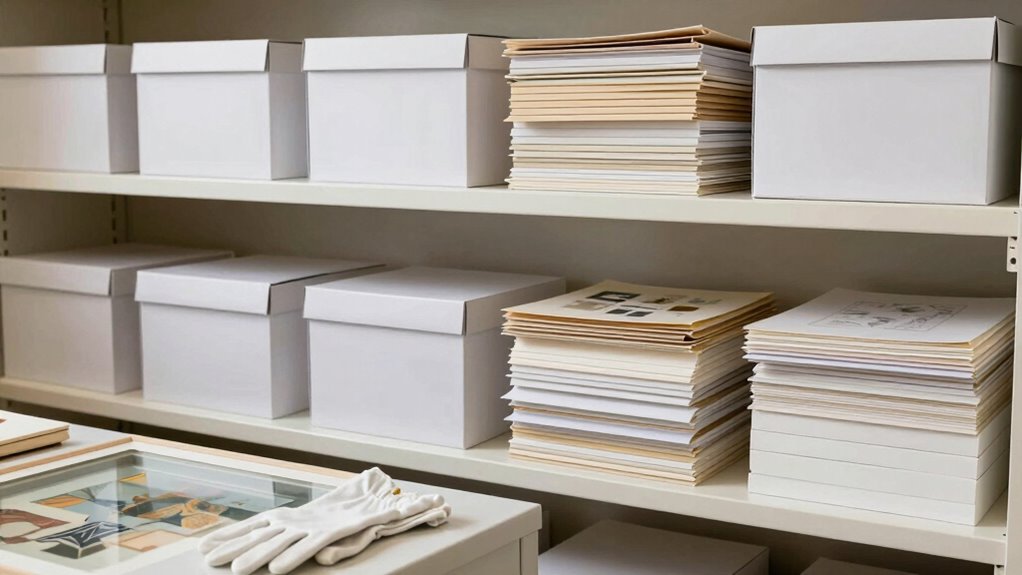
When selecting archival storage for your artwork, understanding the importance of proper preservation methods can make all the difference in maintaining its condition over time. One of the most critical factors is climate control. Fluctuations in temperature and humidity can cause artwork and paper crafts to deteriorate, warp, or develop mold. Ideally, you want a storage environment that maintains a stable temperature, around 65-70°F, and relative humidity levels between 40-50%. Avoid storing your pieces in basements, attics, or garages where temperature swings are common. Instead, opt for a dedicated, climate-controlled space or invest in portable climate control units if necessary. Consistent conditions help prevent the expansion and contraction of materials, which can lead to cracking, warping, or fading. Maintaining proper storage environment is essential for long-term preservation. It’s also helpful to regularly monitor the conditions with a hygrometer or thermometer to ensure stability over time.
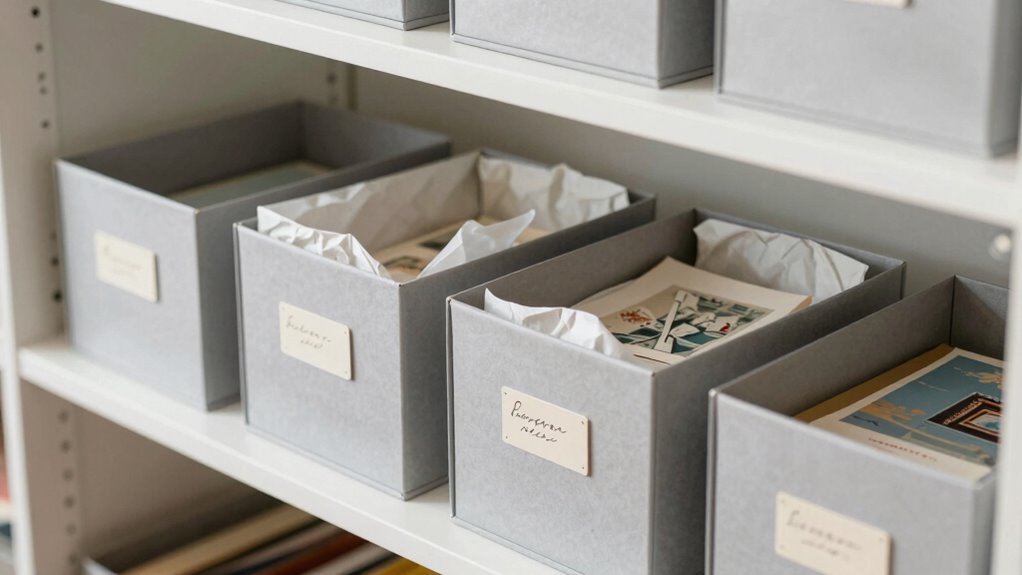
Equally important is selecting the right storage materials. Not all materials are created equal; some can cause damage over time. Use acid-free, lignin-free boxes, folders, and sleeves designed specifically for archival purposes. These materials are pH-neutral and help prevent acids from migrating into your artwork, which can cause yellowing and brittleness. When storing paper crafts or artworks with delicate surfaces, avoid plastic containers made from PVC or other non-archival plastics, as they can emit harmful chemicals. Instead, opt for inert, polyester, or polyethylene enclosures that are transparent, rigid, and designed to provide physical protection without chemical interference. Additionally, use acid-free tissue paper to wrap individual pieces or line storage boxes, offering an extra layer of protection against dust, dirt, and light exposure. Choosing the correct storage materials can also help prevent environmental damage caused by off-gassing or chemical reactions. Proper storage materials can greatly extend the lifespan of your artwork. Furthermore, understanding the properties of archival materials can help you make more informed decisions about preservation techniques. Proper handling is also vital. Always wash your hands before touching your artwork or wear clean cotton gloves to prevent oils and dirt from transferring onto delicate surfaces. When stacking or storing multiple pieces, ensure they are separated with acid-free tissue to prevent scratching or smudging. Be mindful of light exposure—store your artwork in a dark environment or cover it with UV-filtering materials when not on display. This reduces the risk of fading and discoloration caused by ultraviolet rays. Regularly inspecting your stored pieces can help catch early signs of deterioration and address issues promptly.
archival acid-free storage boxes for artwork
As an affiliate, we earn on qualifying purchases.
As an affiliate, we earn on qualifying purchases.
Frequently Asked Questions
What Are the Most Eco-Friendly Archival Storage Options Available?
You can opt for eco-friendly archival storage by choosing recycling materials and sustainable packaging. Look for boxes made from recycled, acid-free paper or cardboard, which are gentle on artwork and environmentally conscious. Use biodegradable or reusable sleeves and covers to protect your items. This approach minimizes your ecological footprint while preserving your artwork effectively, combining sustainability with proper archival care.
How Does Humidity Affect Different Types of Artwork?
Humidity greatly impacts your artwork by affecting its material sensitivity. High humidity can cause mold growth, warping, and deterioration, especially for paper-based crafts. Low humidity might lead to cracking or brittleness. To protect your pieces, guarantee humidity control in your storage area, maintaining a stable environment. Regularly monitor humidity levels to prevent damage, and consider using dehumidifiers or humidifiers as needed for ideal preservation.
Can I Store Mixed Media Art in the Same Archival Containers?
Imagine a symphony of textures and materials—mixed media art, vibrant and layered. You can store it in the same archival containers if they’re compatible, but be cautious. Use acid-free, lignin-free containers specifically designed for mixed media to prevent damage. Consider container compatibility carefully; some materials like metal or certain adhesives may react adversely. Proper storage guarantees your artwork maintains its harmony, preserving every detail for years to come.
What Are the Signs of Deterioration in Stored Artwork?
You’ll notice deterioration in stored artwork through discoloration, fading, or warping, signaling that conditions aren’t ideal. Look for signs like mold, brittleness, or sticky surfaces, which indicate damage. To prevent this, use acid-free materials and maintain proper temperature control in your storage area. Regularly inspecting your artwork helps catch issues early, ensuring your collection stays preserved and vibrant over time.
How Often Should I Inspect My Stored Artwork for Preservation?
Think of your artwork as a delicate garden needing regular care. You should inspect your stored pieces at least twice a year, especially checking for pest prevention issues and ensuring the storage temperature stays stable. Regular inspections help catch problems early, preventing damage. By staying vigilant, you preserve your creations’ beauty and integrity, keeping them safe from pests and temperature fluctuations that can accelerate deterioration.
As an affiliate, we earn on qualifying purchases.
Conclusion
Choosing the right archival storage guarantees your artwork and paper crafts stand the test of time. By selecting materials that meet archival standards, you protect your creations from deterioration. Did you know that acid-free storage can extend the lifespan of paper artifacts by up to 200%? Investing in quality storage isn’t just about preservation; it’s about safeguarding your artistic legacy for generations to come. Make informed choices today, and your treasured pieces will continue to inspire tomorrow.
climate-controlled storage units for artwork
As an affiliate, we earn on qualifying purchases.
As an affiliate, we earn on qualifying purchases.
archival tissue paper for paper crafts
As an affiliate, we earn on qualifying purchases.
As an affiliate, we earn on qualifying purchases.
Fall Picks
fall essentials
As an affiliate, we earn on qualifying purchases.