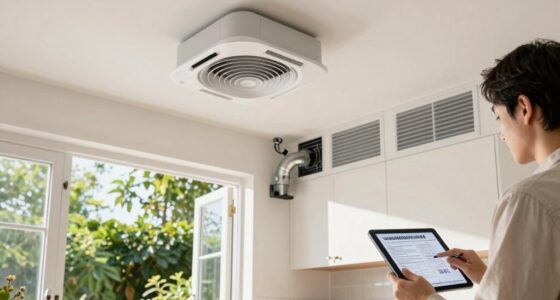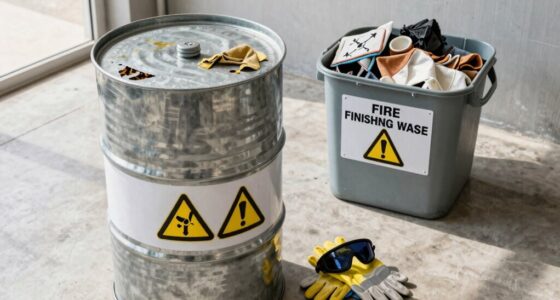
Annoying fumes are usually minor irritants like cooking or paint odors that cause discomfort but aren’t harmful in small doses. Dangerous fumes, however, contain hazardous chemicals like carbon monoxide or asbestos that can cause immediate health issues or long-term damage. Understanding this difference helps you take the right steps—like improving ventilation or evacuating—when needed. If you want to learn how to better manage these fumes, there’s more to explore on how to protect your indoor air quality.

Get business pricing on tools and workshop supplies
- Business-only prices and quantity discounts
- Tax-exempt purchasing
- Multiple users, one account, clear invoices
Key Takeaways
- Annoying fumes cause discomfort or irritation but typically do not pose serious health risks.
- Dangerous fumes contain toxic chemicals that can cause immediate health effects or long-term harm.
- Annoying fumes often originate from everyday activities like cooking or cleaning, with low chemical toxicity.
- Dangerous fumes may result from hazardous materials like carbon monoxide, asbestos, or chemical vapors.
- Proper ventilation can mitigate both nuisance and hazardous fumes, but urgent action is needed for toxic fumes.
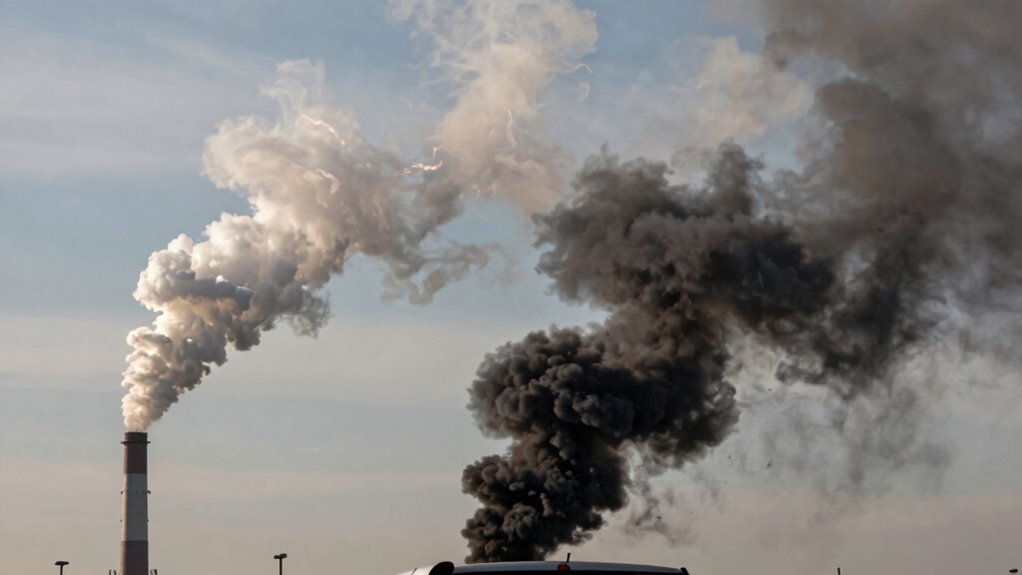
Fumes are a common part of daily life, but not all fumes are created equal. Some fumes are simply annoying, like the smell of cooking or fresh paint, while others pose serious health risks. The key to protecting yourself is understanding the difference between these types of fumes and how they impact indoor air quality. When you notice persistent odors or fumes that make you feel uncomfortable, it’s tempting to dismiss them as minor nuisances. However, even seemingly harmless fumes can accumulate over time and degrade your indoor air quality, leading to respiratory issues or other health problems. That’s why taking steps to improve ventilation in your home or workspace is essential. Proper ventilation helps dilute and remove these irritating fumes before they reach problematic levels, creating a healthier environment.
Not all fumes are harmful; improving ventilation can help reduce discomfort and protect indoor air quality.
Not all fumes are immediately dangerous, but they can still cause discomfort and reduce your overall indoor air quality. For example, fumes from cleaning products, candles, or cooking can trigger allergies or asthma symptoms in sensitive individuals. These fumes often contain volatile organic compounds (VOCs) that, when accumulated, can irritate your eyes, nose, and throat. While these may not be deadly, they definitely lower your quality of life by making your environment less comfortable. Improving ventilation in these situations helps clear out these irritants, ensuring the air you breathe remains fresh and safe. Simple measures like opening windows, using exhaust fans, or upgrading your HVAC system can considerably reduce the buildup of these nuisance fumes. Additionally, understanding the role of indoor air quality can help you identify and address sources of harmful fumes more effectively. Regular maintenance of ventilation systems can also prevent the accumulation of indoor pollutants, further promoting a healthier living or working space. Recognizing the importance of air exchange can further enhance your efforts to maintain a safe environment. Furthermore, awareness of typical sources of indoor pollutants empowers you to make informed choices that improve your overall health. Keeping an eye on air quality levels can help you detect when ventilation needs to be increased or improved.
On the other hand, dangerous fumes come from substances that produce toxic chemicals, such as carbon monoxide, asbestos, or certain chemical vapors from industrial products. These fumes can cause immediate health effects, including dizziness, nausea, or even poisoning. Long-term exposure can lead to chronic health issues, like lung disease or neurological damage. Recognizing the signs of dangerous fumes and acting quickly is critical. Installing carbon monoxide detectors, ensuring proper storage of hazardous materials, and maintaining good ventilation are essential steps to prevent these dangerous fumes from accumulating. If you suspect dangerous fumes, evacuate the area immediately and seek professional help to identify and eliminate the source. Being aware of toxic fumes and how they manifest can help you respond swiftly to potential hazards.
In essence, understanding the difference between annoying and dangerous fumes helps you make smarter choices about indoor air quality. While ventilation improvements are effective for controlling minor irritants, they are equally critical in preventing the buildup of harmful fumes. Regularly evaluating your environment for potential sources of toxic fumes and maintaining good airflow can dramatically improve your health and comfort at home or work. Remember, prioritizing clean, well-ventilated indoor air isn’t just about comfort — it’s about safeguarding your health from fumes that can do real damage.
air purifier for indoor air quality
As an affiliate, we earn on qualifying purchases.
As an affiliate, we earn on qualifying purchases.
Frequently Asked Questions
How Can I Identify if Fumes Are Safe or Harmful?
You can identify if fumes are safe or harmful by examining their composition and observing your reactions. Harmful fumes often contain toxic chemicals or unknown substances, causing headaches, dizziness, or irritation. Use proper ventilation techniques like opening windows or using exhaust fans to disperse fumes. If fumes persist or cause symptoms, evacuate immediately and seek professional testing. Trust your senses and prioritize safety when dealing with unknown fumes.
Are There Specific Symptoms Caused by Dangerous Fumes?
Studies show that exposure to dangerous fumes can cause symptoms like headaches, dizziness, and nausea, often linked to chemical reactions in your body. Your odor detection might not always alert you to danger, as some toxic fumes are odorless. You might experience coughing, chest tightness, or difficulty breathing. Trust your instincts—if you notice any unusual symptoms after exposure, seek fresh air immediately and consult a healthcare professional.
What Immediate Steps Should I Take if Exposed to Toxic Fumes?
If exposed to toxic fumes, immediately move to fresh air to improve indoor air quality. Call emergency services if symptoms worsen or are severe. Remove any contaminated clothing and rinse skin or eyes if contact occurred. Use proper fume disposal methods for any residual chemicals, and ventilate the area thoroughly before re-entering. Prioritize your safety by acting quickly and seeking medical attention if needed.
Can Prolonged Exposure to Mild Fumes Cause Health Issues?
Long-term health risks can quietly emerge from mild exposure, like a slow drip that weakens a dam. Even if fumes seem harmless at first, prolonged contact can cause respiratory issues, headaches, or more serious conditions over time. You might not notice the damage now, but persistent inhalation could chip away at your health’s foundation. It’s wise to minimize exposure and seek fresh air to protect your future well-being.
Are There Any Protective Gear Recommendations for Handling Fumes?
When handling fumes, you should wear proper protective gear like a respirator suited for the specific fumes you’re working with. Select a respirator based on the type of fumes, ensuring it provides adequate filtration. Additionally, use fume extraction systems to minimize your exposure, especially in enclosed spaces. Always follow safety guidelines and manufacturer recommendations for respirator selection and fume extraction to protect your health effectively.
As an affiliate, we earn on qualifying purchases.
Conclusion
Understanding the difference between annoying and dangerous fumes is vital for your safety. While some fumes may just make your eyes water or cause a headache, others can pose serious health risks. Don’t let ignorance be your downfall—know what to watch out for and act accordingly. Remember, it’s better to be safe than sorry; sometimes, you’ve got to call a spade a spade and take proper precautions to protect yourself.
As an affiliate, we earn on qualifying purchases.
As an affiliate, we earn on qualifying purchases.
Halloween Picks
halloween
As an affiliate, we earn on qualifying purchases.