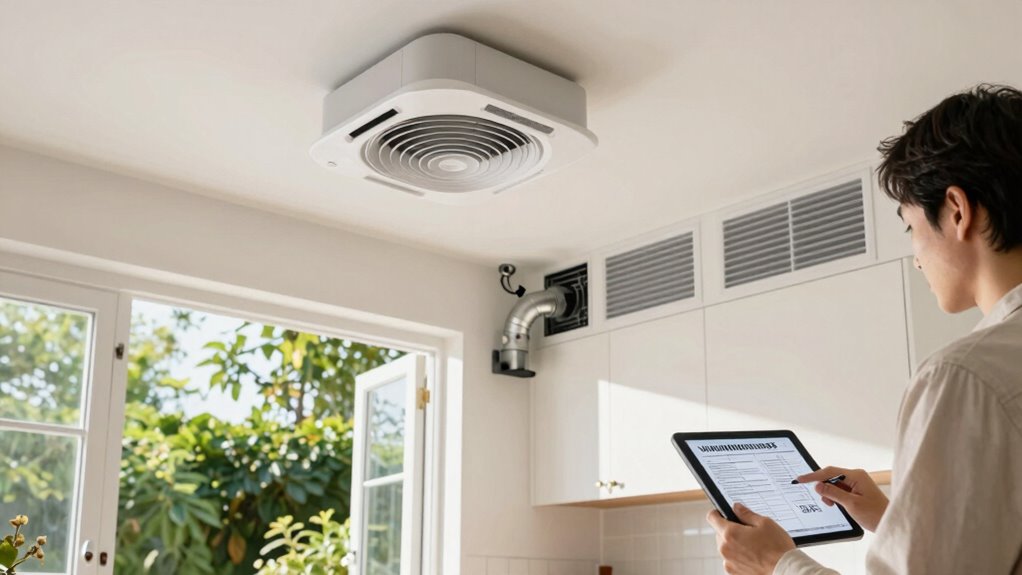

To keep your home’s air fresh and healthy, regularly check that windows and vents are unobstructed and easy to operate for proper cross-ventilation. Clean or replace HVAC filters, inspect exhaust fans in kitchens and bathrooms, and maintain a good airflow pattern. Use air purifiers if needed, and control indoor humidity to prevent mold. By following a simple ventilation checklist, you’ll guarantee a safer and more comfortable environment—continue to discover how to optimize your home’s air quality even further.

Get business pricing on tools and workshop supplies
- Business-only prices and quantity discounts
- Tax-exempt purchasing
- Multiple users, one account, clear invoices
Key Takeaways
- Regularly inspect and clean vents, exhaust fans, and HVAC filters to ensure unobstructed airflow.
- Ensure windows and vents are easily operable and positioned for effective cross-ventilation.
- Use air purifiers with HEPA filters in high-pollution or allergen-sensitive areas.
- Maintain indoor humidity levels between 30% and 50% to prevent mold and moisture issues.
- Incorporate fresh air intake and optimize airflow patterns for improved indoor air quality.
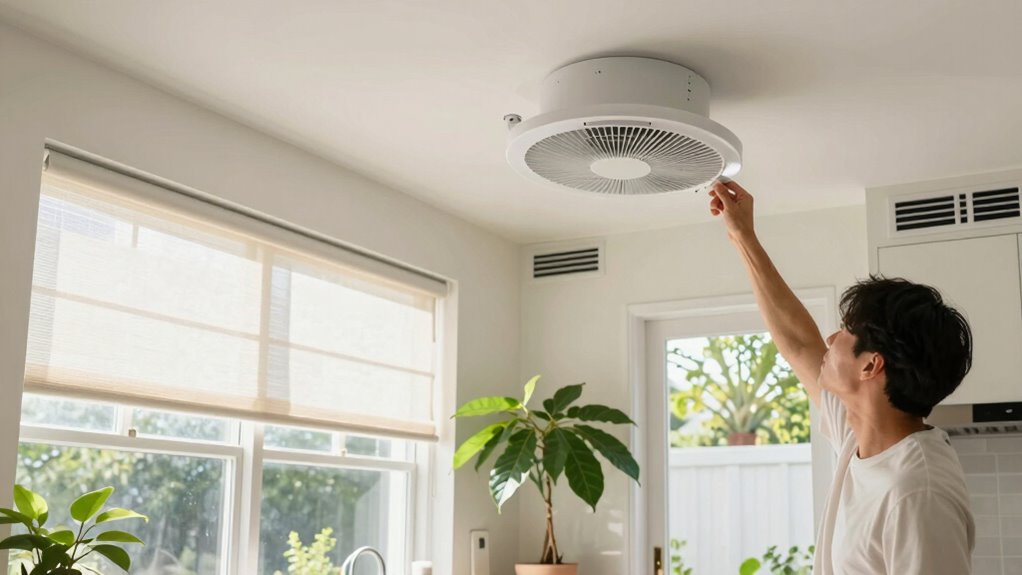
Are you confident your home has proper ventilation? Ensuring good air quality inside your house isn’t just about comfort; it’s about health. Poor ventilation can trap pollutants, moisture, and odors, leading to respiratory issues and mold growth. To keep your living space safe and fresh, it’s essential to be familiar with different ventilation types—natural, mechanical, and hybrid—and how they work together. Natural ventilation uses openings like windows and vents to let fresh air in and stale air out. Mechanical systems, such as exhaust fans and HVAC units, actively circulate air, filtering out contaminants and controlling humidity. Hybrid systems combine both methods, optimizing airflow based on your needs. Understanding these options helps you choose the right setup for your home.
Proper ventilation is vital for air quality, health, and preventing mold growth.
A critical part of your ventilation checklist is assessing your current setup. Do you have enough windows that open easily? Are vents unobstructed and clean? Check for signs of poor air quality, like musty odors, condensation on windows, or visible mold. Make sure your exhaust fans in the kitchen and bathroom are functioning properly, as these areas generate moisture and odors that need quick removal. Regularly replacing or cleaning filters in your HVAC system is also vital to maintain airflow and air quality. If your home relies on natural ventilation, consider whether the placement of windows and vents allows for cross-ventilation, which can drastically improve air exchange rates. For homes with mechanical systems, scheduling routine inspections ensures they operate efficiently. Additionally, understanding ventilation effectiveness can help you identify whether your current setup is adequately exchanging indoor air. Incorporating fresh air intake strategies can further enhance overall air quality, especially in tightly sealed homes. Proper ventilation design also considers airflow patterns, which ensure that fresh air reaches all corners of your home effectively. Being aware of sources of indoor pollution, such as household chemicals or outdoor pollution, can help you implement targeted solutions to improve air quality. Moreover, optimizing the placement of vents and openings can significantly influence air circulation, leading to better indoor air quality overall.
Adding houseplants can subtly improve air quality but shouldn’t replace proper ventilation. They can absorb some pollutants but won’t significantly improve overall air exchange. To optimize your setup, think about installing air purifiers with HEPA filters, especially in rooms prone to pollution or allergens. These devices work alongside your ventilation system to reduce airborne particles. Additionally, controlling humidity levels—ideally between 30% and 50%—prevents mold growth and keeps indoor air healthier. Use dehumidifiers if necessary, particularly in basements or damp areas.
Finally, consider your daily habits. Opening windows regularly, especially when cooking or cleaning, can significantly boost air quality. Avoid blocking vents or windows, and make sure your ventilation systems are well-maintained. Regularly inspecting your home’s ventilation types and ensuring they work effectively will help you create a safer, healthier environment. Keeping this checklist in mind empowers you to take proactive steps toward better indoor air quality, making your home a more comfortable and healthful space to live.
As an affiliate, we earn on qualifying purchases.
Frequently Asked Questions
How Often Should I Inspect My Home’s Ventilation System?
You should inspect your home’s ventilation system at least twice a year to guarantee proper ventilation maintenance and airflow optimization. Regular checks help identify dust buildup, leaks, or blockages that can hinder airflow. During inspections, clean filters and ducts as needed, and verify that vents are unobstructed. Staying proactive keeps your system efficient, improves indoor air quality, and prevents costly repairs down the line.
What Are Signs of Poor Indoor Air Quality?
You might notice signs of poor indoor air quality if you experience persistent allergies, headaches, or a lingering musty smell. Dust accumulation, frequent sneezing, or respiratory issues also indicate problems. To improve air quality, consider using air purifiers and adding indoor plants, which naturally filter toxins and boost oxygen. If these signs persist, inspect your ventilation system to verify it’s working properly and creating a healthier environment.
Can Ventilation Help Reduce Household Odors?
Absolutely, ventilation acts like a breath of fresh inspiration for your home, helping to clear out lingering odors. When you improve air circulation, fresh air replaces stale air, reducing the buildup of household smells. Proper ventilation also aids in odor absorption, preventing smells from settling into fabrics and surfaces. By regularly opening windows or using exhaust fans, you keep the air moving, ensuring your home stays fresh and inviting.
Is Natural Ventilation Sufficient for All Seasons?
Natural ventilation can be effective in some seasons, but it might not be sufficient year-round. Seasonal airflow varies, with summer offering better airflow than winter, when cold temperatures reduce natural ventilation efficiency. In colder months, you may need to supplement with mechanical ventilation to maintain fresh air and indoor air quality. Relying solely on natural ventilation could lead to poor air quality during certain seasons, so consider your home’s specific needs.
How Do I Choose the Best Ventilation System for My Home?
Imagine fresh air pouring in like a gentle breeze—this is air exchange at work. To choose the best ventilation system, consider your home’s size, layout, and climate. Explore different ventilation types, such as exhaust fans, supply fans, or balanced systems, to find one that maximizes air exchange and suits your needs. Opt for a solution that guarantees consistent airflow, enhances comfort, and keeps your home healthy year-round.
As an affiliate, we earn on qualifying purchases.
Conclusion
By following this ventilation checklist, you’re not just maintaining a healthy home—you’re safeguarding your sanctuary from unseen threats. Think of proper ventilation as the silent guardian of your living space, tirelessly working behind the scenes. So, embrace these simple steps with confidence; your home’s fresh air supply depends on it. After all, isn’t a well-ventilated home the very foundation of comfort, health, and peace?
As an affiliate, we earn on qualifying purchases.
As an affiliate, we earn on qualifying purchases.
Halloween Picks
halloween
As an affiliate, we earn on qualifying purchases.