
TL;DR

Get business pricing on tools and workshop supplies
- Business-only prices and quantity discounts
- Tax-exempt purchasing
- Multiple users, one account, clear invoices
Thames Water has introduced a hosepipe ban across parts of southern England due to ongoing drought conditions. The restriction aims to conserve water as reservoir levels remain critically low. The ban impacts millions and is part of broader drought management efforts.
Thames Water has implemented a hosepipe ban across parts of southern England starting immediately, as the company seeks to address critically low reservoir levels caused by prolonged dry weather. The restriction affects millions of customers and is part of the region’s broader drought management strategy, highlighting the severity of current water scarcity issues.
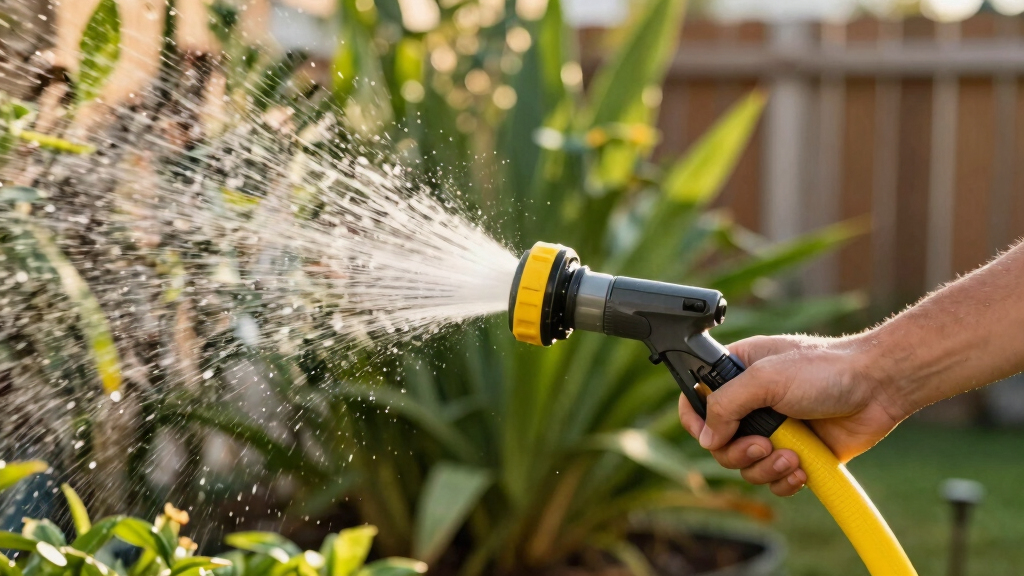
Thames Water announced the hosepipe ban on March 26, 2026, citing persistent dry conditions and reservoir levels below normal thresholds. The ban prohibits the use of hosepipes for watering gardens, washing cars, and filling ponds, among other activities. The company stated that the measure is necessary to prevent further depletion of water sources and ensure supply stability.
According to Thames Water, the ban covers large parts of Surrey, Berkshire, Buckinghamshire, and parts of Greater London. The company emphasized that the restriction is temporary and will be lifted once reservoir levels improve and weather conditions change. Thames Water also urged customers to use water sparingly and follow conservation tips.
Local authorities and environmental agencies have supported the move, warning that continued dry weather could lead to more severe restrictions if conditions worsen. The Environment Agency has classified the current situation as a drought warning, with potential escalation to a drought emergency if rainfall does not increase.
Why the Hosepipe Ban Matters for Water Security
The hosepipe ban underscores the ongoing challenges of water management amid changing climate conditions. With reservoir levels at critically low points, the restriction aims to prevent more severe shortages and protect water supplies for essential use. It also signals to residents the importance of water conservation, especially during periods of prolonged dry weather, which are expected to become more frequent due to climate change.
For millions affected, the ban may impact daily routines, gardening, and recreational activities, highlighting the broader societal implications of water scarcity. The move also reflects the need for long-term planning and investment in water infrastructure to adapt to increasingly unpredictable weather patterns.
As an affiliate, we earn on qualifying purchases.
Recent Drought Conditions and Water Management Measures
Over the past few months, southern England has experienced below-average rainfall, leading to a significant drop in reservoir levels managed by Thames Water. The region has faced persistent dry spells, with some areas recording rainfall well below seasonal averages, prompting water companies to consider restrictions.
Thames Water has previously issued warnings about water shortages and has taken measures such as encouraging water-saving practices. The current hosepipe ban is the most recent step in a series of drought management strategies, which include increased monitoring of reservoir levels and public awareness campaigns.
Government agencies and environmental groups have called for long-term solutions, including infrastructure upgrades and sustainable water sourcing, to better cope with future droughts.
“This hosepipe ban is a necessary step to protect our water supplies during this prolonged dry spell. We urge customers to use water wisely.”
— Sarah Bentley, Thames Water CEO
As an affiliate, we earn on qualifying purchases.
Unclear Duration and Scope of the Ban
It is not yet clear how long the hosepipe ban will remain in effect, as it depends on rainfall and reservoir recovery. The exact geographic extent may also be adjusted based on weather developments and reservoir levels.
Authorities have not specified precise thresholds for lifting the ban, and future restrictions could be implemented if conditions worsen.
drip irrigation system for gardens
As an affiliate, we earn on qualifying purchases.
As an affiliate, we earn on qualifying purchases.
Monitoring, Public Compliance, and Future Restrictions
Thames Water and environmental agencies will continue to monitor reservoir levels and weather patterns. The company has committed to reassessing the situation regularly and will notify the public of any changes or lifting of restrictions.
Public cooperation is critical; residents are encouraged to follow water-saving tips and report any violations. Authorities may introduce additional measures if drought conditions persist or intensify.
As an affiliate, we earn on qualifying purchases.
Key Questions
How long will the hosepipe ban last?
The duration of the ban is uncertain and depends on weather conditions and reservoir recovery. Authorities have not specified an end date, but it will be lifted once water levels improve.
Who is affected by the hosepipe ban?
The ban affects residents and businesses in parts of Surrey, Berkshire, Buckinghamshire, and Greater London supplied by Thames Water.
What activities are prohibited under the ban?
The ban prohibits using hosepipes for watering gardens, washing cars, filling ponds, and similar activities. It does not restrict essential domestic use or public water supply.
Are there any penalties for violating the ban?
Yes, violations can lead to fines or other enforcement actions, as specified by local regulations and Thames Water policies.
What can residents do to conserve water?
Residents are encouraged to water plants early in the morning or late at night, fix leaks, and use water-efficient appliances to reduce consumption during restrictions.
Source: google-trends
Halloween Picks
halloween
As an affiliate, we earn on qualifying purchases.