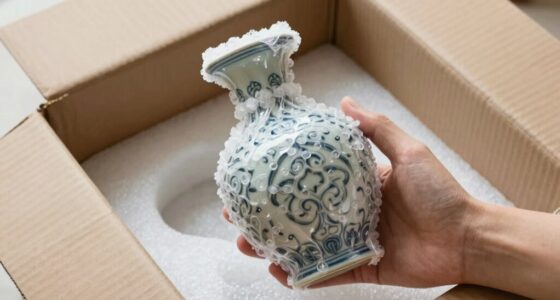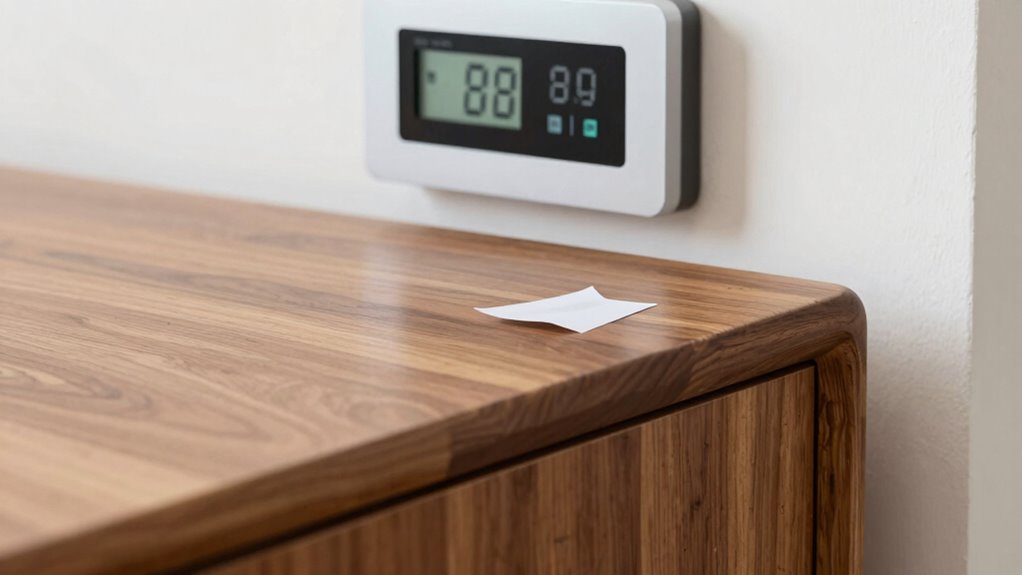

You need to focus on controlling humidity and temperature to protect your materials and finished work from damage. Fluctuations can cause expansion, contraction, warping, or cracking, which weaken their integrity over time. Using proper climate control systems like HVAC, humidifiers, or dehumidifiers helps maintain stable conditions and prevents long-term deterioration. Small changes may seem minor, but they can cause big problems, so understanding how to manage your environment can make a significant difference. If you keep exploring, you’ll discover more ways to safeguard your valuable items.

Get business pricing on tools and workshop supplies
- Business-only prices and quantity discounts
- Tax-exempt purchasing
- Multiple users, one account, clear invoices
Key Takeaways
- Maintaining stable humidity prevents moisture-related damage like warping, cracking, and mold growth.
- Consistent temperature avoids material stress, expansion, and contraction that can lead to fractures.
- Proper climate control systems with sensors ensure rapid response to environmental fluctuations.
- Tailoring environmental conditions to specific material needs enhances long-term preservation.
- Sealing and insulation minimize external environmental influences on delicate materials and finished work.
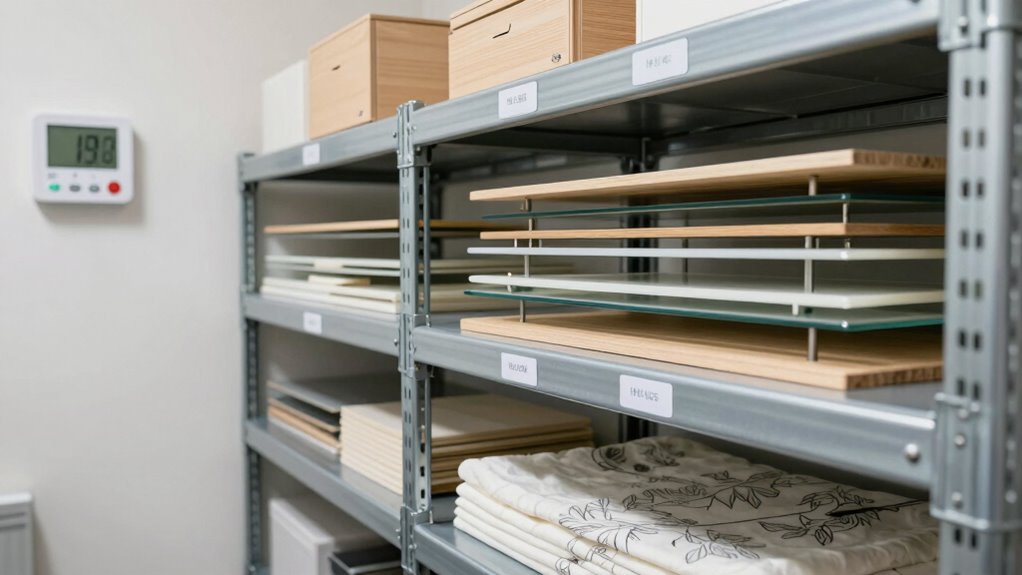
Controlling the climate around materials is vital to preserving their integrity and extending their lifespan. When you’re working with delicate materials like wood, paper, or certain metals, small changes in environmental conditions can cause significant damage over time. Humidity fluctuations are a primary concern because they lead to expansion, contraction, warping, or cracking. If the moisture levels rise or fall suddenly, materials can absorb or lose water too quickly, compromising their strength and appearance. This is especially true in environments where humidity isn’t kept steady, causing unpredictable changes that make preservation difficult.
Maintaining stable humidity and temperature is essential to prevent damage and preserve material integrity over time.
Temperature stability also plays a critical role. Fluctuations in temperature can accelerate deterioration, especially in sensitive materials. When temperatures shift abruptly, materials expand or contract, which can weaken bonds or create stress points. Over time, these stresses can lead to fractures or deformation. Maintaining a consistent temperature minimizes these risks, allowing materials to stay in their intended form and function longer. This is particularly important in museums, archives, or workshops where the goal is to retain the original quality of artifacts or finished products. Additionally, climate control systems equipped with sensors can help detect and respond to environmental changes promptly, further protecting your materials.
You’ll find that controlling both humidity and temperature isn’t just about comfort; it’s about creating a predictable environment that protects your materials. When you keep humidity levels steady and avoid dramatic swings, you reduce the likelihood of damage caused by moisture-related issues. Similarly, a stable temperature prevents the cyclical expansion and contraction that can weaken structural integrity. This consistency is key to preventing long-term deterioration and guaranteeing your work remains in top condition. Implementing environmental monitoring can further help in maintaining these stable conditions, especially in fluctuating environments. Proper climate control also involves understanding the specific needs of each material, as some may require more precise settings than others.
To achieve this, you might invest in climate control systems that monitor and regulate humidity and temperature actively. Dehumidifiers and humidifiers help maintain ideal moisture levels, while HVAC systems with precise controls can keep temperatures within a narrow range. Insulation and proper sealing also play a role, preventing external environmental factors from causing fluctuations. When you pay attention to these details, you protect your materials not just today but for years to come. Proper climate control ensures long-term preservation and reduces the risk of damage caused by environmental fluctuations. Furthermore, understanding the specific requirements of each material helps tailor the climate control measures to best suit their preservation needs.
digital humidity meter for woodworking
As an affiliate, we earn on qualifying purchases.
As an affiliate, we earn on qualifying purchases.
Frequently Asked Questions
How Does Humidity Affect Different Types of Finished Materials?
Humidity effects vary across finished materials, impacting their stability differently. Wood, for instance, absorbs moisture, causing swelling or warping, while low humidity can lead to cracking. Metals may corrode with high humidity, and paper or textiles can become moldy. Maintaining proper humidity levels guarantees material stability, preventing damage or deformation. You should control humidity consistently to protect your finished work and preserve its quality over time.
What Is the Ideal Temperature Range for Storing Various Materials?
Did you know that maintaining stable temperatures can reduce material aging by up to 50%? For storing various materials, aim for a temperature range of 65-75°F (18-24°C). Sudden temperature fluctuations accelerate material aging and compromise quality. Keep storage environments consistent, avoiding extreme heat or cold, to preserve the integrity of your materials and finished work over time. Proper climate control is key to long-lasting results.
How Often Should Climate Conditions Be Monitored in a Workspace?
You should monitor climate conditions daily to maintain ideal humidity levels and prevent temperature fluctuations. Regular checks help you catch any deviations early, protecting your materials and finished work from damage caused by excessive dryness or dampness. Using a reliable hygrometer and thermometer, you can guarantee consistent conditions, especially in environments where sensitive materials are stored or worked on. Proper monitoring keeps your workspace stable and your projects safe.
Can Climate Control Prevent Material Degradation Over Time?
Yes, climate control can greatly prevent material degradation over time by maintaining environmental stability. It helps slow down material aging, preserving the integrity and appearance of your work. Consistent temperature and humidity levels reduce the risk of warping, cracking, or other damage. By actively managing these factors, you guarantee your materials stay in ideal condition, extending their lifespan and keeping your finished work looking its best.
What Equipment Is Best for Maintaining Consistent Climate Conditions?
You should invest in a reliable HVAC system combined with humidity control devices to maintain consistent climate conditions. Regularly calibrate your equipment to avoid humidity fluctuations that could damage materials. Use humidifiers or dehumidifiers as needed, and monitor conditions with digital sensors. Proper equipment calibration guarantees precise control, preventing material degradation over time and preserving the quality of your finished work.
temperature and humidity control system
As an affiliate, we earn on qualifying purchases.
As an affiliate, we earn on qualifying purchases.
Conclusion
So, don’t overlook climate control—it really does matter for your materials and finished work. Sure, it might seem like a hassle or an added expense, but the benefits far outweigh the costs. Proper climate management prevents warping, cracking, and other issues that could ruin your project. Investing a little now saves you time, money, and frustration later. Keep your workspace controlled, and your materials will thank you with flawless results every time.
dehumidifier for art preservation
As an affiliate, we earn on qualifying purchases.
As an affiliate, we earn on qualifying purchases.
HVAC system with environmental sensors
As an affiliate, we earn on qualifying purchases.
As an affiliate, we earn on qualifying purchases.
Fall yard work Picks
leaf blowers
As an affiliate, we earn on qualifying purchases.