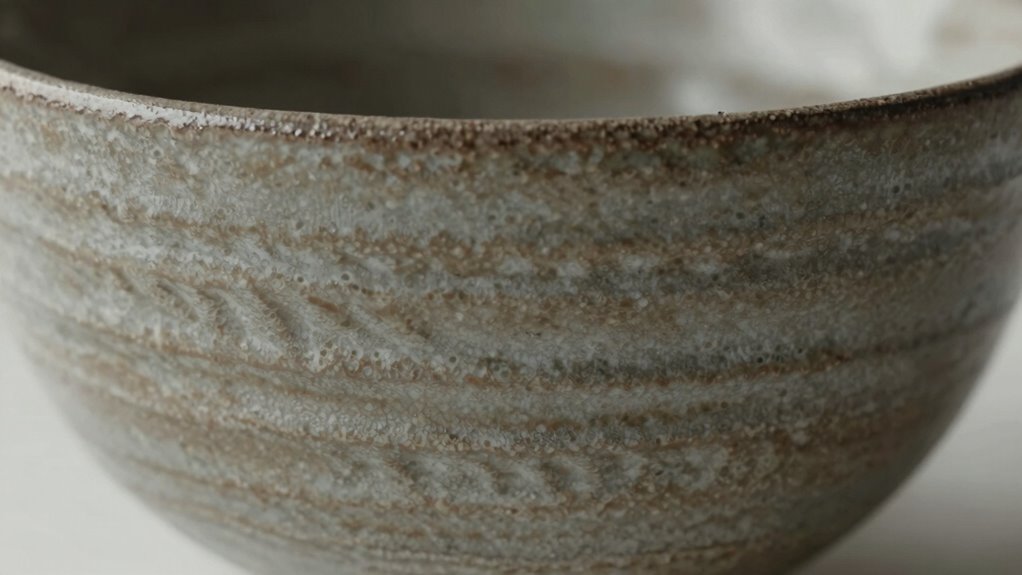

Surface texture impacts your craft’s emotional and visual appeal more than color alone because it engages your senses beyond sight. It adds tactile feedback that creates deeper connections and evokes feelings, making your work more memorable. Textures also add contrast and depth, making designs more dynamic. By exploring different textures, you can craft pieces that invite touch and curiosity. If you stick with it, you’ll discover how texture can transform your projects in powerful ways.

Get business pricing on tools and workshop supplies
- Business-only prices and quantity discounts
- Tax-exempt purchasing
- Multiple users, one account, clear invoices
Key Takeaways
- Surface texture enhances tactile feedback, creating a deeper emotional connection beyond visual color.
- Texture adds visual contrast and depth, making crafts more visually engaging and dynamic.
- Tactile variations invite sensory exploration, increasing interaction and memorability of the craft.
- Texture influences perceived quality and conveys specific qualities like authenticity or elegance.
- Using diverse textures elevates a craft’s overall aesthetic, creating a multisensory experience that color alone cannot achieve.
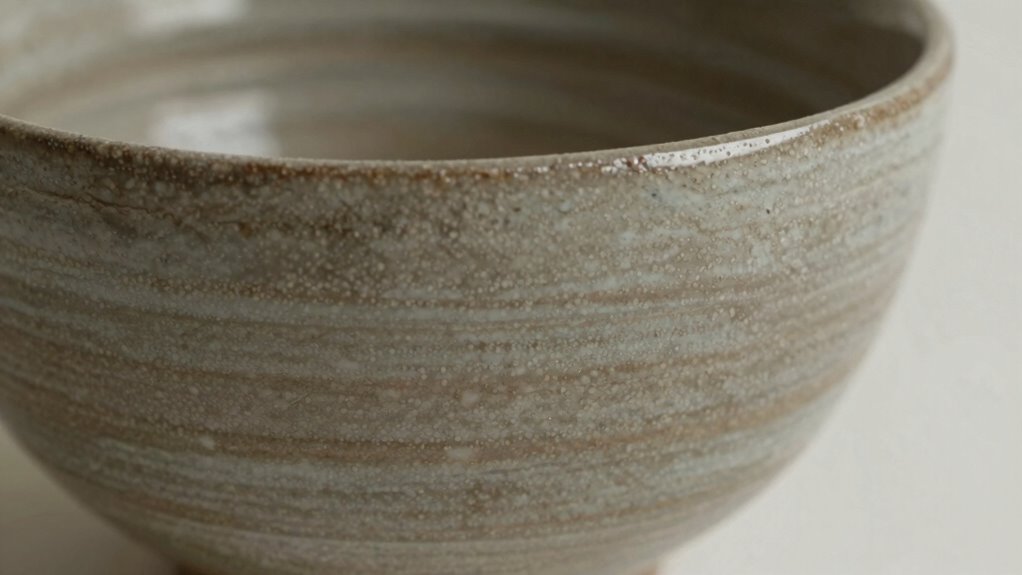
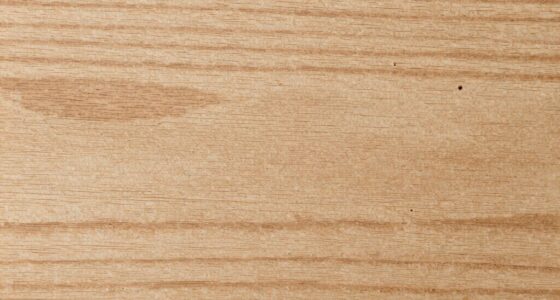
Surface texture plays a crucial role in the overall look and feel of your craft projects, influencing both their aesthetic appeal and tactile experience. When you choose textures intentionally, you’re not just adding visual interest—you’re creating a multisensory experience that can make your work stand out. Texture impacts how people perceive your craft, often more than color does, because it engages both sight and touch. Tactile feedback, the sensation you get when running your fingers over a surface, can evoke emotion and connection in ways color alone cannot. A rough, bumpy surface might suggest ruggedness or natural authenticity, while a smooth, polished finish conveys elegance or modernity. These textures can evoke feelings and reactions that color can’t always achieve.
Visual contrast is another critical element that texture enhances. You might think a bright, vibrant color is enough to draw attention, but when combined with contrasting textures, your project gains depth and complexity. For example, pairing a matte, coarse surface with a glossy, sleek one creates a striking visual contrast that instantly captures the eye. This contrast not only highlights different materials but also guides the viewer’s focus, emphasizing specific areas of your craft. Without enough visual contrast, even the most colorful piece can appear flat or uninteresting. Texture allows you to manipulate light and shadow, giving your work a dynamic quality that color alone sometimes lacks. Understanding visual contrast can help you develop more sophisticated and appealing designs.
You’ll find that texture also affects how your craft feels in the hand. A project with varied textures invites interaction, encouraging people to explore it more closely. Think about a handcrafted bowl with a smooth interior and a textured exterior—this contrast invites curiosity and makes the object more engaging. When you focus on surface textures, you’re elevating your craft from simple decoration to an experience that appeals to multiple senses. This sensory richness can make your work more memorable and meaningful. Additionally, understanding visual contrast and how it works with texture can help you develop more sophisticated and appealing designs.
Ultimately, surface texture is a powerful tool in your creative arsenal. It influences tactile feedback, making your crafts more interactive, and creates visual contrast, adding depth and interest. By paying close attention to texture, you can craft pieces that resonate on a deeper level, engaging viewers and users beyond just their visual senses. Color might catch the eye, but texture invites touch and exploration, making your projects truly stand out.
As an affiliate, we earn on qualifying purchases.
Frequently Asked Questions
How Does Surface Texture Affect the Durability of Crafts?
Surface texture directly impacts the durability of your crafts by influencing surface wear and material resilience. A rough or textured surface can hide scratches and minor damages, extending the piece’s lifespan. Conversely, smooth surfaces may show wear more quickly. By selecting textures suited to the material and usage, you enhance resilience, making your crafts more durable and long-lasting. Texture choices are key to maintaining beauty and strength over time.
Can Surface Texture Influence the Tactile Experience for Users?
Yes, surface texture substantially influences the tactile experience for users. When you incorporate varied textures, you enhance tactile engagement, making the craft more interesting and inviting to touch. Texture also affects sensory perception, allowing users to feel differences and nuances that deepen their connection with the piece. By intentionally designing surface textures, you can create a more immersive and memorable experience, encouraging users to explore and appreciate the craft through touch.
What Tools Are Best for Creating Specific Textures?
For creating specific textures, you should carefully select your tools based on the texture techniques you want to achieve. For instance, use palette knives or textured brushes for rough or layered effects, and carving tools for intricate patterns. Sponges and stamps can add unique textures quickly. The key is to match your tool selection with the desired surface feel, experimenting to refine your technique and achieve the perfect tactile quality.
How Does Surface Texture Impact the Value or Pricing of Crafts?
Like a painter’s brushstroke, your surface texture influences your craft’s value. Authentic surface qualities and texture variety showcase craftsmanship, making your work feel genuine and unique. Collectors often pay more for pieces with rich, tactile surfaces because they evoke depth and authenticity. By emphasizing surface texture, you enhance perceived quality, which can elevate pricing. So, mastering texture isn’t just about style — it’s a strategic move to boost your craft’s worth.
Are There Cultural Differences in Valuing Surface Texture Over Color?
You’ll find that cultural symbolism and regional preferences heavily influence how surface texture is valued over color. In some cultures, textured surfaces symbolize spiritual or social significance, making them more prized than vibrant colors. Conversely, other regions prioritize bold colors, viewing them as expressions of identity. Understanding these cultural nuances helps you appreciate why certain textures hold more value than color, shaping craft appreciation and market preferences worldwide.
surface texture tools for crafts
As an affiliate, we earn on qualifying purchases.
As an affiliate, we earn on qualifying purchases.
Conclusion
So, next time you create or admire a craft, ask yourself: isn’t it the texture that truly touches your senses and brings the piece to life? While color catches the eye, it’s the surface texture that invites touch and adds depth. Remember, the way a craft feels can evoke emotion and connection like nothing else. Isn’t it the tactile experience that leaves a lasting impression? Embrace texture — it’s what makes crafts unforgettable.
As an affiliate, we earn on qualifying purchases.
texture adding products for DIY projects
As an affiliate, we earn on qualifying purchases.
As an affiliate, we earn on qualifying purchases.
Halloween Picks
halloween
As an affiliate, we earn on qualifying purchases.