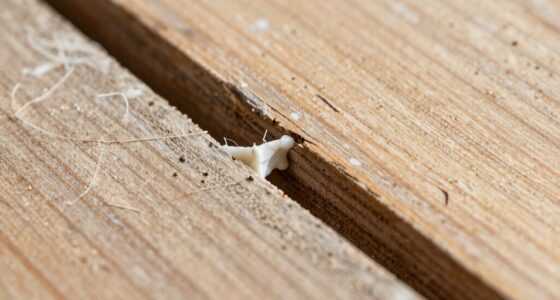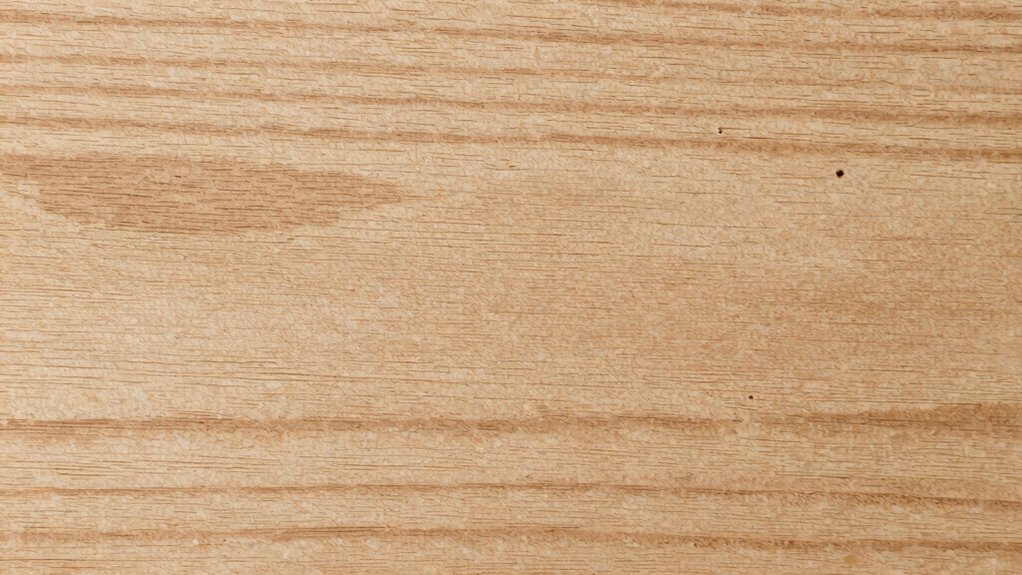

To tell if a material needs sealing before use, look for signs like stains, discoloration, or a dull, faded surface that don’t wipe away easily. Check for wear, scratches, or areas that seem worn down from use. Test porosity by applying a small amount of water—if it absorbs quickly, sealing is needed. Keep an eye on environmental factors that can accelerate wear. For simple tips on when and how to seal properly, continue exploring the details below.

Get business pricing on tools and workshop supplies
- Business-only prices and quantity discounts
- Tax-exempt purchasing
- Multiple users, one account, clear invoices
Key Takeaways
- Check for stains or discoloration indicating surface exposure to liquids or contaminants.
- Perform a water test: rapid absorption suggests the need for sealing.
- Inspect for dull, faded, or worn areas indicating surface deterioration.
- Assess environmental conditions like moisture, UV exposure, and weathering signs.
- Look for signs of surface wear or damage that require repair before sealing.
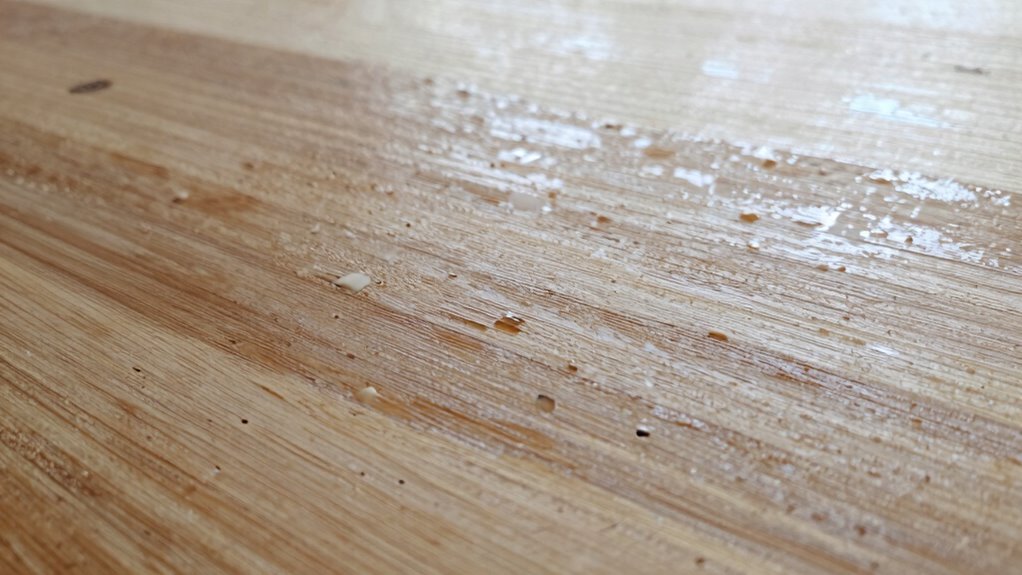
Knowing when a material needs sealing is vital to maintaining its durability and appearance. Without proper sealing, surfaces become vulnerable to damage from moisture, stains, and everyday wear. The key to effective sealing begins with understanding the importance of protective coatings and proper surface preparation. Before applying any sealant, you must assess the material’s current state and recognize signs that indicate it’s time for sealing. This step guarantees that the protective coatings you choose will adhere properly and provide the maximum benefit.
One of the first clues that a surface needs sealing is the appearance of stains or discoloration. If liquids such as water, wine, or oil leave marks that don’t wipe away easily, it’s likely time to seal the surface. Similarly, if the material begins to look dull or faded, it indicates that the protective layer has worn down, exposing the surface to potential damage. These visual cues are straightforward indicators that sealing could restore its original look and strengthen its resilience. Additionally, surface wear over time further signals that protective measures are necessary to prevent deterioration.
Before applying any protective coatings, surface preparation is essential. You want the material to be clean, dry, and free of dirt, grease, or old coatings that might interfere with adhesion. Proper surface preparation ensures the sealant bonds tightly, offering effective protection. This might involve sweeping, washing, or lightly sanding the surface to create a uniform, smooth base. Neglecting this step can lead to peeling, bubbling, or uneven sealing, which diminishes the material’s longevity. Additionally, understanding the porosity of the surface helps determine the timing of sealing, since porous materials absorb liquids more quickly and require earlier intervention. Testing the surface with a small amount of water can reveal its porosity: if the water soaks in quickly, it’s a clear sign that sealing is needed. Conversely, if water beads on the surface, it indicates that the existing protective coatings are still effective, and sealing can wait. Recognizing the surface condition is also important, as damaged or eroded surfaces may need repair before sealing to ensure optimal results.
Environmental factors also play a role. If you notice increased exposure to moisture, UV rays, or harsh weather conditions, it’s wise to inspect the surface regularly. These factors accelerate the degradation of protective coatings, making timely sealing necessary. Regular maintenance, including resealing when signs appear, can extend the surface’s lifespan and keep it looking its best. Recognizing the lifetime of a sealant and scheduling resealing accordingly ensures ongoing protection and preserves the surface’s appearance over time.
As an affiliate, we earn on qualifying purchases.
Frequently Asked Questions
Can Sealing Prevent All Types of Material Damage?
Sealing can prevent many types of material damage, especially from chemical reactions and surface permeability. When you apply a sealant, it creates a barrier that blocks moisture, chemicals, and other damaging elements from penetrating the surface. However, it doesn’t guarantee complete protection against all damage types, like physical wear or extreme environmental conditions. Regular maintenance and selecting the right sealant for your material are essential for maximum protection.
How Often Should I Reseal a Material?
You should reseal a material whenever you notice signs of wear, damage, or when the sealing effects start to diminish. Regularly inspect for cracks or peeling to determine if resealing is necessary. Use appropriate sealing techniques based on the material’s compatibility, as some sealers work better with specific surfaces. Resealing frequency varies; generally, every 1-3 years, but always follow the manufacturer’s recommendations for maximum protection.
Does Sealing Affect the Material’s Appearance?
Sealing can impact your material’s appearance by enhancing its surface sheen, making it look more polished and vibrant. It also helps preserve the color, preventing fading over time. Depending on the sealant used, it might add a glossy or matte finish, so choose one that matches your desired look. Regular sealing maintains both the aesthetic appeal and protection, ensuring your material stays beautiful and durable longer.
Are There Environmentally Friendly Sealing Options?
Coincidentally, there are eco-friendly sealing options available. You can choose eco-friendly coatings or biodegradable sealants that protect your materials without harming the environment. These alternatives are designed to be sustainable, safe, and effective, helping you reduce your ecological footprint. By opting for such environmentally conscious solutions, you guarantee your projects stay green while maintaining quality, making a positive impact on both your work and the planet.
Can Sealing Improve Material Durability in Extreme Conditions?
Sealing can substantially improve your material’s durability in extreme conditions by enhancing chemical resistance and moisture protection. When you seal a material properly, it becomes more resistant to corrosive substances and water intrusion, which are common in harsh environments. This added barrier helps prevent damage, reduces wear, and extends the lifespan of your material, ensuring it performs reliably even under challenging conditions.
As an affiliate, we earn on qualifying purchases.
Conclusion
In summary, recognizing when a material needs sealing is essential to prevent problems and prolong its integrity. By paying attention to surface signs, absorption levels, and environmental factors, you can confidently determine the right time to seal. Stay sharp, scrutinize surfaces, and seize the sealing opportunity before stains, damage, or deterioration develop. Remember, timely treatment transforms trouble into triumph, turning potential problems into pristine, protected perfection with just a simple, savvy seal.
protective surface coating for outdoor furniture
As an affiliate, we earn on qualifying purchases.
As an affiliate, we earn on qualifying purchases.
waterproofing sealant for concrete
As an affiliate, we earn on qualifying purchases.
As an affiliate, we earn on qualifying purchases.
Halloween Picks
halloween
As an affiliate, we earn on qualifying purchases.