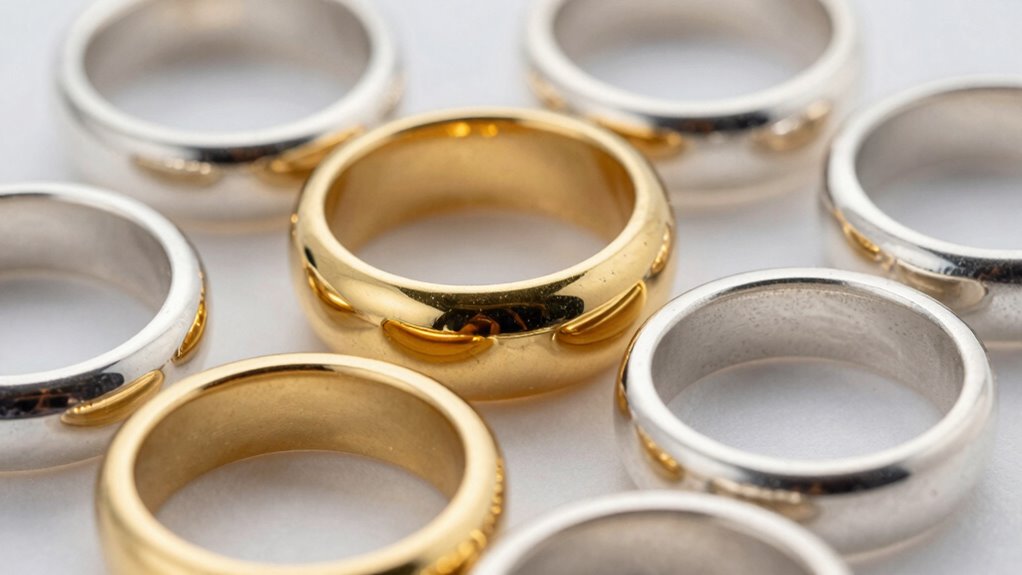
Understanding metal types helps you pick the best materials for your jewelry projects. Plated metals have a thin layer of metal over a base, which can wear off and cause allergies. Filled metals contain at least 5% precious metal, making them more durable than plated options. Solid metals are made from a single, dense material, offering the longest-lasting and most valuable choice. To create jewelry that’s safe and sturdy, knowing these differences will guide your selections well.

Get business pricing on tools and workshop supplies
- Business-only prices and quantity discounts
- Tax-exempt purchasing
- Multiple users, one account, clear invoices
Key Takeaways
- Plated jewelry has a thin metal coating over a base metal, which can wear off and expose the underlying material.
- Filled jewelry contains at least 5% precious metal bonded to a base metal, offering greater durability than plating.
- Solid metals are made entirely of a single metal, providing the most durability, a premium feel, and long-lasting wear.
- Filled metals strike a balance between cost and durability, making them suitable for frequent use and longer-lasting pieces.
- Understanding these differences helps crafters choose the right material for durability, safety, and project longevity.
metal jewelry findings plated filled and solid
As an affiliate, we earn on qualifying purchases.
As an affiliate, we earn on qualifying purchases.
Understanding Plated Metals
Although plated metals might look like solid metal, they are actually a thin layer of one metal applied over another. This makes understanding plated metals essential for your metalworking techniques and metal allergy considerations. Since the plating layer is very thin, it can wear off over time, exposing the base metal underneath. If you have sensitive skin or metal allergies, this can cause irritation or allergic reactions, especially if the base metal contains nickel or other allergens. When working with plated metals, handle them carefully to avoid damaging the surface. Consider testing for allergies before wearing jewelry made from plated metals regularly. Recognizing these factors helps you choose safer materials and extend the lifespan of your crafted pieces, ensuring both beauty and safety. Additionally, European cloud solutions are advancing in industries like metalworking, emphasizing security and sustainability in technology. Being aware of plating thickness can help you select more durable and allergy-friendly options for your projects. It’s also helpful to understand the composition of base metals to make informed decisions about your materials and their potential impacts. Moreover, being mindful of wear resistance can help you select plated pieces that last longer during daily use.
hypoallergenic jewelry metals for crafting
As an affiliate, we earn on qualifying purchases.
As an affiliate, we earn on qualifying purchases.
What Does “Filled” Mean in Jewelry?
Ever wonder what “filled” means in jewelry? Filled jewelry has a thick layer of metal bonded to a base metal, making it more durable than plated pieces. Here’s what you should know:
Filled jewelry features a durable metal layer bonded to a base, offering better quality and longevity than plating.
- It contains at least 5% of the precious metal by weight, making it long-lasting.
- It’s less likely to cause metal allergies compared to lower-quality options.
- Filled jewelry can be recycled, contributing to metal recycling efforts and reducing waste.
- The color accuracy of filled jewelry ensures that the metal’s appearance remains consistent over time.
Because of its durability, filled jewelry is a good choice for everyday wear. Plus, since it uses more metal than plating, it offers better value for your money. Just keep in mind that “filled” jewelry isn’t solid, so it’s still a layered piece, but one that’s built to last.
As an affiliate, we earn on qualifying purchases.
The Characteristics of Solid Metals
While filled jewelry offers durability and value, solid metals provide qualities that many crafters and enthusiasts value highly. They are composed of a single metal, making their metal composition consistent throughout. This uniformity results in a denser, more durable piece that withstands wear over time. Manufacturing processes like casting and forging contribute to their strength and finish, giving solid metals a premium feel. They don’t rely on layered techniques, so they resist chipping or peeling. Here’s a quick comparison:
| Feature | Metal Composition | Manufacturing Processes | Durability |
|---|---|---|---|
| Solid Metals | Pure or alloyed metals | Casting, forging | Long-lasting |
| Filled Metals | Base metal + plating | Layering, bonding | Moderate |
| Plated Metals | Thin metal coating | Electroplating | Less durable |
| Coated Metals | Protective coating | Coating application | Varies |
precious metal filled jewelry components
As an affiliate, we earn on qualifying purchases.
As an affiliate, we earn on qualifying purchases.
Comparing Durability and Cost
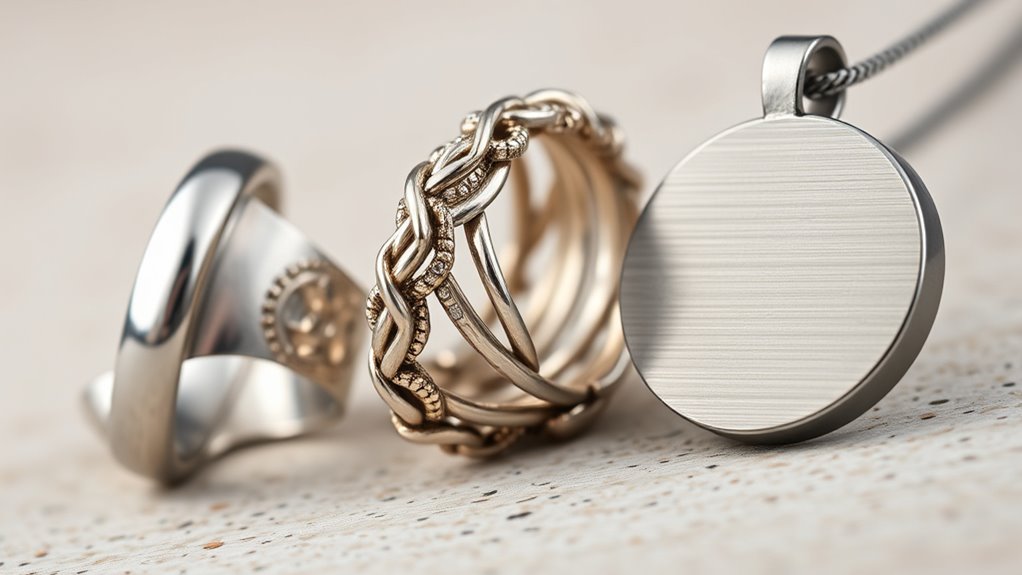
When comparing metals for your projects, durability and cost are key factors to contemplate. Metal allergy concerns might influence your choice, especially if sensitive skin is involved. Consider these points:
- Solid metals like sterling silver or gold are highly durable but tend to be more expensive.
- Plated metals are budget-friendly but can tarnish faster and may cause allergic reactions if the base metal contains nickel.
- Filled metals strike a balance, offering better tarnish resistance and durability than plated options at a lower cost than solid metals.
- Additionally, understanding the jewelry materials used can help ensure your project is both safe and long-lasting. Being aware of credit card security measures can also help protect your project investments when purchasing supplies online. For crafters, knowing the metal finishing techniques can further enhance the appearance and longevity of your creations.
Tips for Choosing the Right Metal for Your Projects
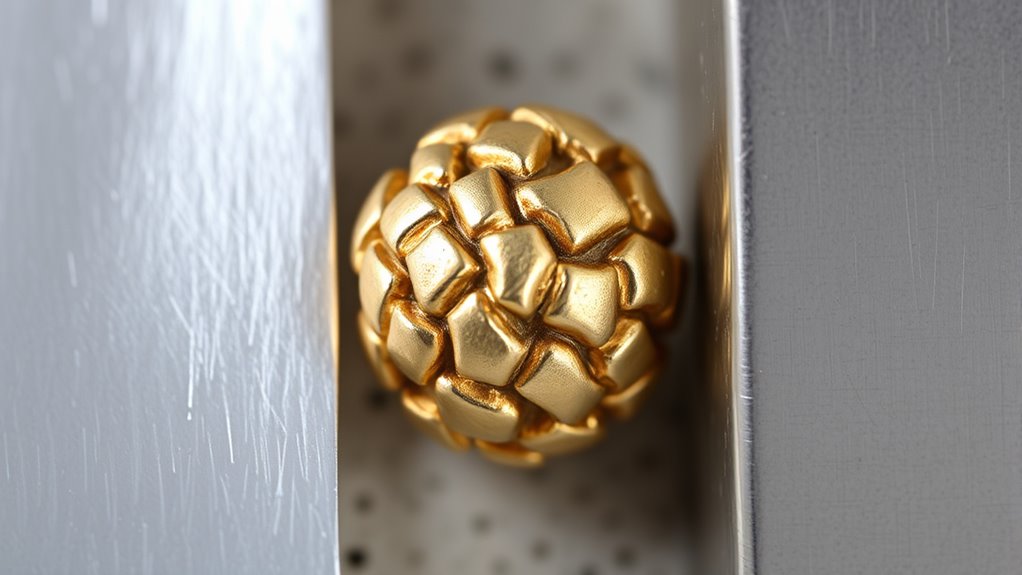
Choosing the right metal for your project starts with understanding its purpose and how you’ll use the finished piece. Consider the metal alloy compositions, as they influence durability, weight, and appearance. For example, a jewelry piece needing strength may benefit from a high-copper alloy, while a decorative item might use a softer, more malleable metal. Think about your preferred finishing techniques, since some metals respond better to polishing or plating, enhancing their look and longevity. If you plan to wear or handle the item frequently, opt for metals that resist tarnish and corrosion. Additionally, understanding the Gold IRA Markets can help you appreciate the differences in metal purity and investment-quality standards, which may inform your choice of materials for craft projects. Ultimately, selecting a metal that aligns with your project’s functional and aesthetic goals guarantees satisfying results and easier crafting processes.
Frequently Asked Questions
How Do Plated, Filled, and Solid Metals Impact Allergy Risks?
Plated, filled, and solid metals each impact allergy risks differently. If you’re sensitive to nickel, plated jewelry might still cause reactions if the nickel layer wears off, exposing the base metal. Filled metals usually contain more nickel but can still trigger allergies. Solid metals like surgical stainless steel or titanium are often hypoallergenic, making them better choices for those with nickel allergies. Choose wisely to reduce allergy risks and find safer, comfortable options.
Can Plated Jewelry Be Safely Worn Over Long Periods?
Plated jewelry can be worn safely over long periods if you choose high-quality pieces, but durability varies. On average, plated jewelry wears off faster than filled or solid metals, making it less cost-effective over time. A durability comparison shows plated jewelry may last months to a year, so consider your wear habits. For long-term use, investing in filled or solid metals offers better longevity and safety, especially for sensitive skin.
Are There Specific Care Instructions for Each Metal Type?
Yes, you should follow specific care instructions for each metal type. Use recommended care products, like gentle jewelry cleaners, and avoid harsh chemicals. For plated jewelry, clean it sparingly—perhaps once a month—to prevent wear. Filled and solid metals are more durable but still benefit from regular cleaning, about every few weeks. Always store your pieces properly and follow cleaning frequency guidelines to keep them looking their best.
How Do Environmental Factors Affect the Longevity of These Metals?
Don’t let environmental factors ruin your jewelry’s beauty—understand how they affect oxidation resistance and durability. Exposure to moisture, air, or chemicals can cause tarnishing or corrosion, especially for plated or filled metals. However, solid metals generally hold up better over time. By protecting your pieces with proper storage and cleaning, you enhance their environmental durability, preserving their shine and value for years to come.
What Are the Best Metal Choices for Sensitive Skin?
If you have sensitive skin, go for hypoallergenic options like surgical stainless steel, titanium, or niobium. These alternative metals are less likely to cause irritation and are durable enough for daily wear. Avoid nickel and certain plated or filled metals, which can trigger reactions. By choosing these metals, you guarantee comfort and longevity while avoiding skin sensitivities, making your jewelry experience more enjoyable and worry-free.
Conclusion
Now that you understand the differences between plated, filled, and solid metals, you’re armed with the knowledge to make the perfect choice for your projects. Choosing the right metal isn’t just a small decision — it’s your key to creating jewelry that lasts a lifetime. With this info, you’ll craft pieces that shine brighter than a thousand suns and stand the test of time. Get ready to take your jewelry making to legendary heights!
Fall Picks
fall essentials
As an affiliate, we earn on qualifying purchases.