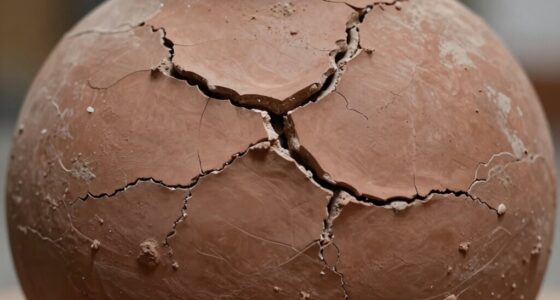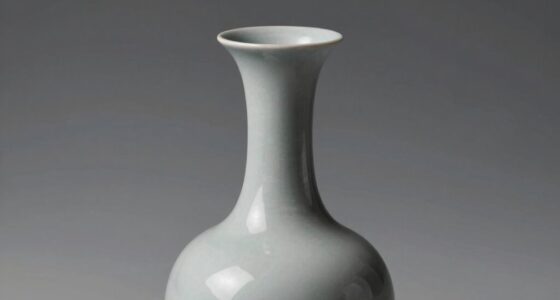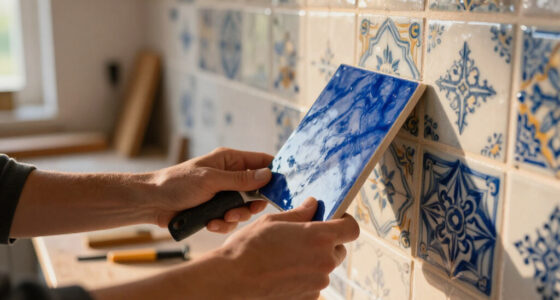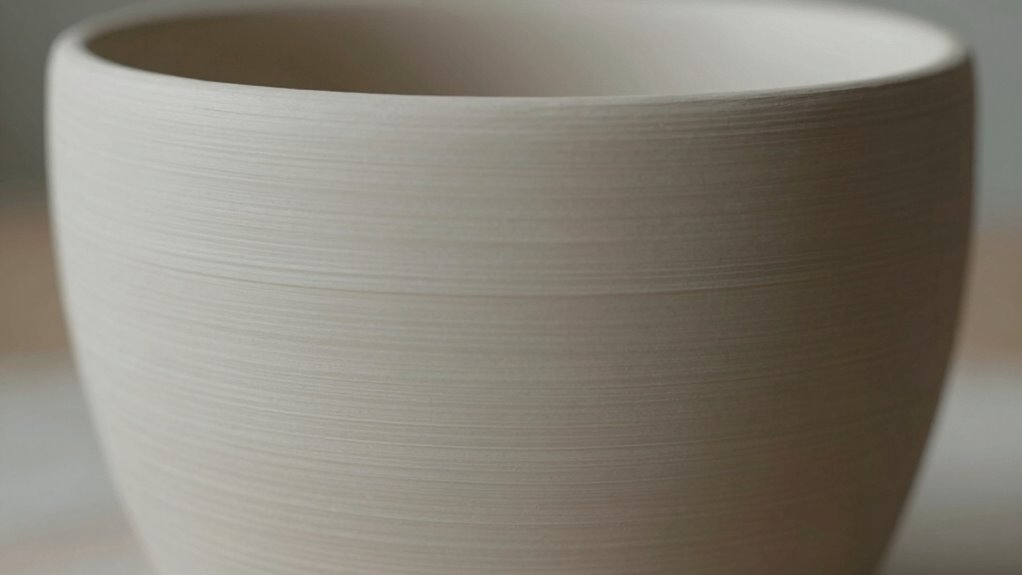

To make pottery textures feel sophisticated, focus on subtle, natural variations that flow seamlessly with the form, avoiding overly intricate or artificial designs. Use gentle glazes that highlight surface nuances without overpowering the texture, and select colors that complement or contrast softly to enhance harmony. Balance and integration are key—allow textures and colors to work together harmoniously, inspired by natural patterns. Continuing will reveal how combining these elements can elevate your pottery into timeless art.

Get business pricing on tools and workshop supplies
- Business-only prices and quantity discounts
- Tax-exempt purchasing
- Multiple users, one account, clear invoices
Key Takeaways
- Incorporate subtle and natural textures that flow seamlessly with the overall form, avoiding overly intricate or unnatural patterns.
- Use complementary or analogous color schemes to enhance the texture’s harmony and sophistication.
- Apply glazing techniques that highlight surface variations, such as translucent or layered glazes, to emphasize natural textures.
- Ensure textures are integrated into the design, maintaining balance and avoiding jarring contrasts for a refined appearance.
- Focus on organic, natural-inspired patterns to evoke authenticity and timeless elegance in the tactile and visual experience.
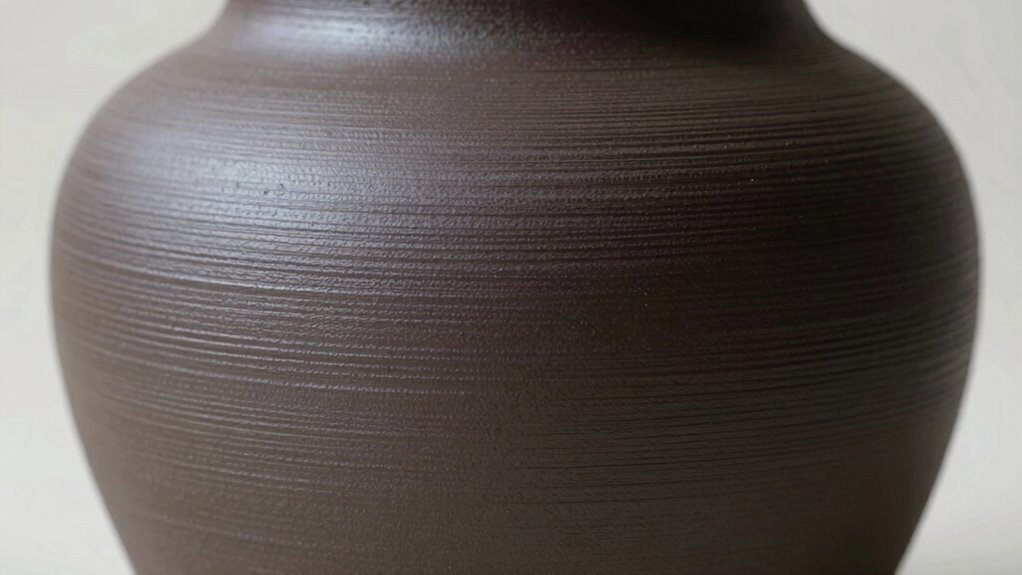
Adding sophistication to pottery textures transforms simple pieces into elegant works of art. When you aim to elevate your pottery, understanding how texture interacts with color and finish is essential. To do this effectively, you need a grasp of color theories and glazing techniques, which can subtly influence the perception of your piece without overwhelming it. Instead of forcing textures into unnatural patterns, focus on harmony—letting your textures flow naturally with the overall design.
Elevate pottery with harmonious textures, color, and glazing techniques for a refined, natural artistic expression.
Color theories provide a foundation for choosing hues that complement or contrast your textures, creating visual interest without making the piece feel busy or forced. For example, warm earthy tones paired with textured surfaces evoke a sense of organic richness, while cool shades can lend a sleek, modern feel. When you understand how colors interact—such as complementary or analogous schemes—you can craft a palette that enhances the tactile quality of your pottery. This thoughtful approach allows the textures to stand out naturally, rather than competing with overly vibrant or discordant colors. Additionally, embracing natural inspiration can help you create more organic and harmonious textures that resonate with viewers. Incorporating natural patterns into your work can further strengthen this connection to the environment.
Glazing techniques are your tools for refining and accentuating these textures. A well-chosen glaze can highlight the raised patterns or subtle surface variations, making the texture more perceptible to the touch and eye. You might opt for translucent glazes that seep into textured crevices, emphasizing depth, or experiment with layered glazes that create complex visual effects. The key is to apply your glazing deliberately, ensuring it complements the texture rather than disguises or overpowers it. For instance, applying a matte glaze on textured areas can enhance tactile appeal, while glossy finishes can make surface details pop with light reflection. Incorporating layered glazing can further deepen the visual interest and tactile richness of the piece. Moreover, understanding how different glaze compositions affect surface texture can help you achieve the desired sophisticated effect.
Rather than forcing textures into overly intricate or unnatural shapes, aim for a balance where the texture feels integrated into the overall design. Use glazing techniques to bring out the best in your textures, allowing them to feel like a natural extension of the form rather than a forced addition. When you consider color theories, choose hues that harmonize with the texture’s mood and the piece’s purpose, avoiding jarring contrasts that can diminish the sophisticated feel you’re after. Additionally, understanding the importance of biodiversity in the natural world can inspire more organic and harmonious textures in your pottery work. This awareness can guide you towards creating textures that evoke a sense of balance and refinement, rooted in natural diversity.
Ultimately, making pottery textures feel sophisticated involves a nuanced understanding of how color and glaze work together. Be intentional in your choices, allowing the natural beauty of your textures to shine through with subtlety and grace. This approach guarantees your work feels refined and authentic, elevating simple textures into elements of real artistic elegance. By embracing natural diversity, you can create textures that are both unique and timeless, adding depth to your artistic expression.
As an affiliate, we earn on qualifying purchases.
Frequently Asked Questions
How Do I Choose the Right Tools for Subtle Textures?
To choose the right tools for subtle textures, focus on surface patterns that create delicate details without overpowering your piece. Opt for fine tools like soft rubber ribs or small carving tools, and keep them well-maintained to guarantee smooth, controlled marks. Regular tool maintenance prevents rough edges and ensures your textures stay refined. Experiment with different tools to find what produces the nuanced effects you desire, making your pottery feel sophisticated and natural.
Can Color Influence the Perception of Texture Sophistication?
Think of color psychology as your secret weapon; it can subtly elevate your pottery’s texture and evoke sophistication. Soft, muted hues create visual harmony, making textures feel more refined and elegant, while bold colors might feel forced or busy. When you choose colors thoughtfully, your piece exudes a timeless charm, much like a well-composed symphony, where color enhances texture without overpowering it.
What Are Common Mistakes to Avoid When Adding Texture?
When adding texture, avoid overcrowding the surface enhancement, which can clutter the design and disrupt aesthetic balance. Don’t force textures that don’t suit the piece’s overall style, as this can look unnatural. Be mindful of scale and placement to maintain harmony. Also, steer clear of inconsistent patterns or overly rough textures that distract from the sophistication you aim to achieve. Focus on subtlety and intentionality to elevate your pottery’s texture.
How Does Lighting Affect the Appearance of Textured Pottery?
Lighting transforms your pottery into a canvas of shadow play, highlighting its texture’s sophistication. When you position light at an angle, surface gloss catches the eye, creating gentle reflections that emphasize depth. Shadows cast by textured surfaces add dimension, making your piece feel dynamic and refined. You’ll see how carefully controlled lighting elevates the tactile quality, turning simple textures into a visual symphony that feels both elegant and intentional.
Are There Specific Clay Types Better for Refined Textures?
Yes, choosing fine-grain clay types like porcelain or stoneware helps achieve refined textures. These clays respond well to surface techniques like carving, impressing, or sgraffito, which add sophistication without feeling forced. When combined with sleek glaze finishes, these clays highlight delicate details and create a polished look. Using high-quality clay and subtle surface techniques guarantees your pottery feels elegant and refined, elevating your craftsmanship effortlessly.
As an affiliate, we earn on qualifying purchases.
Conclusion
Remember, achieving a sophisticated pottery texture isn’t about overdoing it; less is often more. Trust your instincts and let your craft speak for itself. When you strike the right balance, your pieces will stand out without feeling forced. It’s all about subtlety—sometimes, the simplest textures make the biggest statement. Keep experimenting and honing your skills, and you’ll find that the true art lies in knowing when to hold back and let your craftsmanship shine through.
As an affiliate, we earn on qualifying purchases.
As an affiliate, we earn on qualifying purchases.
Halloween Picks
halloween
As an affiliate, we earn on qualifying purchases.