
TL;DR
Interior designers interviewed by Livingetc say home gyms remain in demand, particularly in luxury residential projects. They describe a shift from equipment-focused rooms to integrated wellness spaces, but the report does not provide market data or evidence that social fitness trends have reduced home-gym demand.
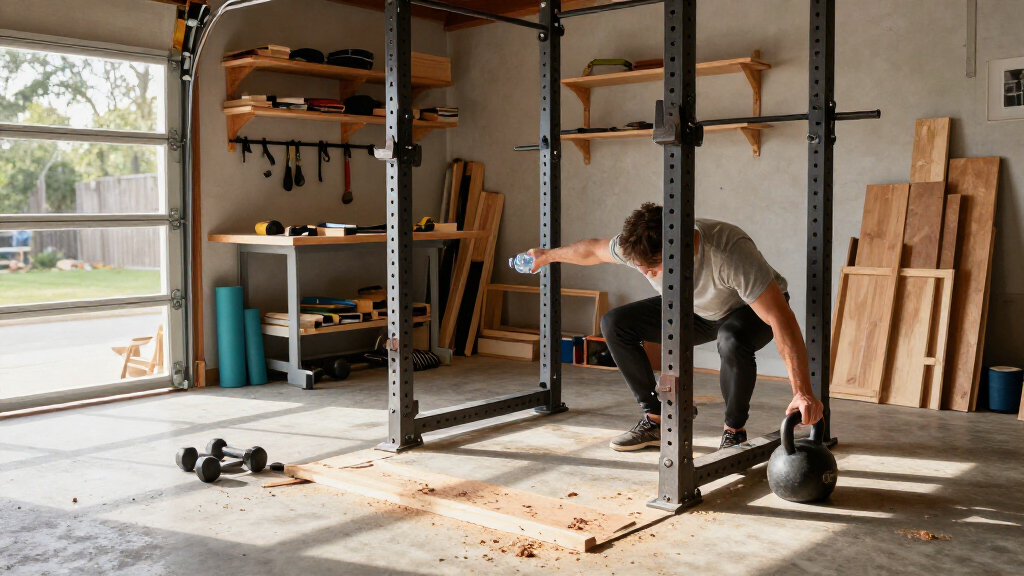
Home gyms remain part of the brief for many luxury residential projects, according to interior designers interviewed by Livingetc, even as group workouts and fitness studios become social destinations. The report describes a shift toward rooms planned as part of a home’s design and broader wellness offering, rather than spaces set aside simply to hold exercise equipment.

Get business pricing on tools and workshop supplies
- Business-only prices and quantity discounts
- Tax-exempt purchasing
- Multiple users, one account, clear invoices
Designer Nina Maya told Livingetc that demand for home gyms remains strong and that homeowners are placing greater ambition behind them. She said gyms are increasingly considered during early architectural planning, with attention to their location, outlook and connection to other rooms. Her account concerns luxury residential work, not a survey of the wider housing market.
Designer Rebecca Hughes also said she continues to see demand. She described a change in emphasis: gyms that were once primarily functional are now treated as part of a home’s overall design and lifestyle. One example in the report is a bespoke gym in a historic home, designed to combine contemporary exercise facilities with the building’s original timber features.
Gabriele Zanni, co-founder of fitness-equipment design studio Alama Studio, said clients increasingly want workout areas to feel like they belong in the home. The report describes natural light, garden views, warm materials, integrated storage and equipment with considered finishes as features designers are using. Some projects also place exercise areas alongside saunas, steam rooms, cold plunges or stretching space.
Fitness Moves Into Home Design
The development matters because it reframes the question raised by the rise of social fitness. If people increasingly meet friends through run clubs, Pilates classes or group sauna sessions, the home gym might seem less useful as a place to exercise. The designers interviewed by Livingetc, however, describe a different role: a private, convenient space for movement and recovery that can complement activities outside the home.
That shift has practical consequences for homeowners planning renovations or new builds. A gym designed early may have different needs from a spare room filled later with equipment, including suitable space, natural light, storage and a layout that connects with other wellness facilities. The report does not establish whether these features increase property value or whether they are affordable or relevant for most households; its examples are weighted toward high-end residential projects.
Popular right now

De'Longhi Stilosa Compact Manual Espresso Machine with Milk Frother

Bose QuietComfort True Wireless Earbuds with Active Noise Cancellation, Bluetooth 5.3, USB-C Charging, and IPX4 Water Resistance

De'Longhi Magnifica Duo Fully Automatic Espresso Machine with Milk Frother, Silver
As an affiliate, we earn on qualifying purchases.
From Equipment Room to Wellness Suite
The report begins with a cultural contrast: fitness activities such as run clubs, Pilates gatherings and group sauna sessions are presented as ways people socialize, sometimes in place of conventional venues. It asks whether that trend could make a dedicated home workout area less appealing. The designers’ responses suggest that, at least in their projects, home gyms have not disappeared but have changed in purpose and presentation.
Maya said the gym is increasingly part of early architectural discussions. Hughes described a similar move away from purely functional rooms. Zanni characterized the change as moving from simply having a gym at home to having a space that fits the home and can be used for exercise. These are professional observations from people working in design, not population-level findings. Livingetc’s article discusses what home gyms may look like in 2027, but does not set out a formal forecast methodology.
“What was once often a purely functional space is now being considered an integral part of the home’s overall design and lifestyle offering.”
— Rebecca Hughes, interior designer
How Broad Is the Demand?
The report does not include sales figures, a homeowner survey or other market data showing how many people want home gyms, or whether demand has risen or fallen over time. The designers’ comments describe their own experience, particularly in higher-end projects, so they cannot establish a trend across all homes or income groups.
It is also unclear whether the social appeal of fitness clubs and group classes is reducing home workouts, increasing interest in recovery facilities, or simply changing how people divide exercise between home and studios. The article offers no comparison of the costs, use rates or long-term value of a home gym against a gym membership. Its discussion of 2027 is a design outlook, not a confirmed industry-wide prediction.
Design Outlook for 2027
Livingetc presents its interviews as a look at how home gyms may evolve by 2027. The designers’ comments point to more projects where exercise, recovery and interior design are planned together, but the report gives no specific timetable for adoption or promised market milestones. Whether that approach spreads beyond luxury homes remains to be seen.
For now, the clearest takeaway is limited but useful: the designers interviewed say home gyms are still being specified, and they increasingly see them as part of a wider living environment. Further evidence—such as broader housing or fitness-industry data—would be needed to determine whether this reflects a general shift in homeowner demand or a design trend concentrated in upscale projects.
Key Questions
Are home gyms still in demand?
The designers interviewed by Livingetc say they continue to see demand, particularly in luxury residential projects. The report does not provide figures for the wider market.
How are home gyms changing?
The designers describe a move from equipment-focused rooms toward spaces integrated with the home’s architecture and interior design, sometimes alongside recovery facilities such as a sauna or cold plunge.
Are social workouts replacing home gyms?
The report raises that possibility but does not provide evidence showing whether social fitness is reducing home-gym use. Designers say they continue to encounter demand for home workout spaces.
What features are designers including?
Examples cited include natural light, garden views, warm materials, integrated storage and equipment with finishes chosen to suit the interior. Some designs also include room for stretching and recovery.
Does the report show that a home gym increases property value?
No. Livingetc reports designers’ observations about demand and design, but provides no evidence on property prices, resale value or financial returns.
Source: livingetc.com