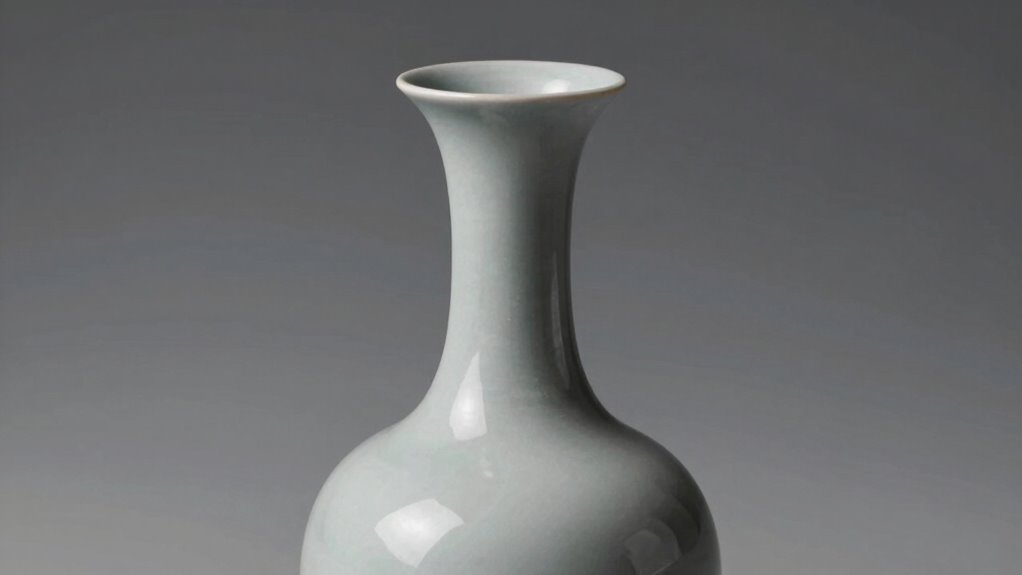

To keep your pottery forms elegant instead of heavy, choose lightweight, smooth clay bodies like porcelain or fine stoneware that allow for refined shaping and thin walls. Use subtle, translucent glazes applied with a restrained hand, such as thin washes or precise brushes, to highlight the form’s lines. Focus on surface treatment and avoid cluttered decoration, ensuring each detail enhances the sculpture’s grace. If you keep these principles in mind, you’ll discover how to create pottery that radiates quiet sophistication.

Get business pricing on tools and workshop supplies
- Business-only prices and quantity discounts
- Tax-exempt purchasing
- Multiple users, one account, clear invoices
Key Takeaways
- Select smooth, highly plastic clays like porcelain to enable fine, lightweight forms.
- Apply thin, translucent glazes with careful, restrained techniques to enhance delicacy.
- Use precise brushwork and dipping methods to prevent thick glaze buildup.
- Emphasize clean lines and contours, allowing surface textures to highlight form without bulk.
- Maintain a balanced color palette and subtle details to evoke sophistication and lightness.
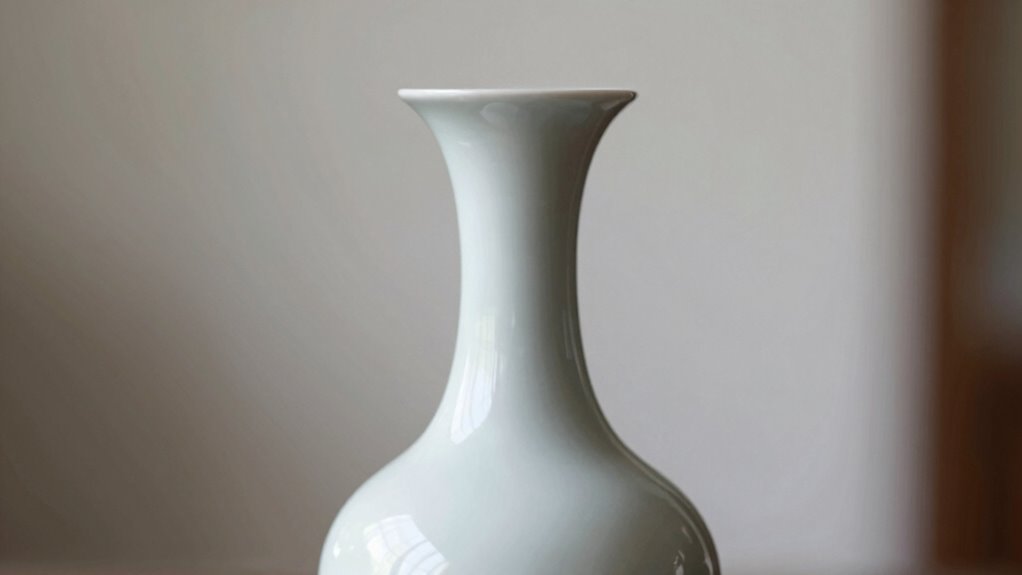
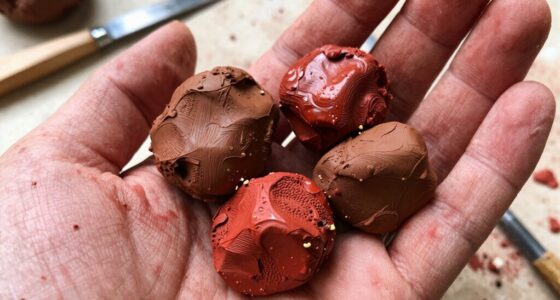
Have you ever wondered what makes some pottery look effortlessly elegant? It’s often the subtle choices you make in the process that determine whether your pieces feel light and refined or bulky and heavy. Two key factors that influence this are clay selection and glazing techniques. When you choose the right clay, you set the foundation for a delicate, balanced form. Opt for clay bodies that are smooth and have good plasticity, like porcelain or fine stoneware. These clays tend to produce thinner walls and a more refined surface, which naturally lends itself to an elegant appearance. Avoid overly coarse or coarse-textured clays, as they can add unnecessary heft and visually weigh down your work. Instead, work with clay that allows for gentle shaping and controlled thickness, emphasizing the grace of your form without adding bulk.
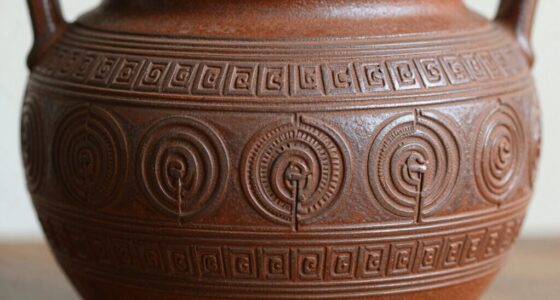
Your choice in glazing techniques also plays a crucial role in maintaining an elegant form. Light, translucent glazes can enhance the delicacy of your pottery, giving it a luminous quality that draws the eye without overwhelming the shape. Applying glazes with precision and restraint prevents your piece from appearing cluttered or heavy. For example, a thin wash of glaze or subtle layering can highlight the form’s lines and contours, accentuating elegance rather than masking it. You might also consider using transparent or semi-transparent glazes that allow the surface texture and form to shine through. Glazing techniques that emphasize smooth, even coverage help keep the visual weight balanced, so your pottery doesn’t look overly dense or chunky. Paying attention to material properties can significantly improve the overall elegance of your work. Additionally, experimenting with application methods can influence how the glaze interacts with the clay body, further enhancing the delicate appearance.
Light, translucent glazes subtly highlight form, adding luminosity without weight or clutter.
Furthermore, the way you apply your glazes matters. Using brushes for fine detail work or dipping for uniform coverage, but avoiding overly thick coats, preserves the lightness of your piece. Keep in mind that less is often more; a restrained approach to glazing lets the form speak for itself. The interplay between the clay’s natural color and your glaze adds depth without adding visual heaviness. When combined with careful clay selection, these glazing techniques help you craft pottery that feels effortless and refined, rather than cumbersome. Mastering glazing techniques can elevate your work’s elegance and ensure your pieces maintain a balanced and sophisticated appearance. Ultimately, the key to keeping your pottery elegant lies in paying attention to these details. By choosing the right clay and mastering subtle glazing techniques, you can create pieces that exude lightness and grace. Your work will radiate a quiet sophistication, inviting admiration for its simplicity and balance.
As an affiliate, we earn on qualifying purchases.
Frequently Asked Questions
Can Glazing Techniques Affect the Weight Perception of Pottery?
Yes, glazing techniques can influence how heavy your pottery appears. Light, glossy glazes tend to create a sense of delicacy, making pieces feel more elegant. Using surface textures like smooth, subtle finishes or soft gradients in color glazing can also reduce the visual weight. Conversely, dark or matte glazes with heavy textures might make your pottery seem bulkier. Adjusting these elements helps you maintain an elegant, lightweight perception.
What Tools Help Refine Delicate Pottery Shapes Effectively?
A fine needle tool and rubber-tipped tools are your allies for refining delicate pottery shapes. Use them to gently smooth surface textures and carefully remove tool marks, which symbolize imperfections that can weigh down your piece’s elegance. These tools allow precise control, helping you achieve graceful curves and refined details. By focusing on surface texture and eliminating tool marks, you preserve the lightness and elegance that define delicate pottery forms.
How Does Clay Type Influence the Elegance of Pottery Forms?
Your choice of clay type directly influences the elegance of your pottery forms through clay texture and surface finish. Smoother, finer clays allow for more delicate, refined shapes, while textured clays can add character but risk bulkiness. Opt for clays with a soft, even texture that respond well to shaping, and finish with a smooth surface to enhance elegance. This careful selection helps maintain lightness and grace in your pottery.
Are There Specific Firing Methods That Enhance Form Lightness?
Yes, firing methods like low-temperature firing and oxidation firing can enhance the lightness of pottery, contributing to aesthetic balance and visual harmony. These techniques prevent over-firing that can make forms appear heavy, helping your pieces stay delicate and refined. By controlling firing conditions, you preserve the subtle translucency and soft surfaces, ensuring your pottery maintains an elegant, balanced appearance that emphasizes form without heaviness.
How Can I Prevent Pottery From Looking Bulky During Shaping?
To prevent your pottery from appearing bulky, think of shaping as a delicate dance. Keep your surface texture light and smooth, avoiding overly thick walls that can add weight visually. Incorporate subtle decorative accents sparingly, which can draw attention without bulk. Focus on elegant curves and proportionate forms, and use gentle techniques to refine the shape. This approach keeps your piece visually airy, maintaining grace and sophistication.
As an affiliate, we earn on qualifying purchases.
Conclusion
Remember, sometimes the simplest touches make the most elegant pottery. As you refine your forms, you might find that a delicate curve or a subtle taper unexpectedly elevates your piece’s grace. It’s funny how those small details often mirror life’s own moments of elegance—unplanned yet perfect. Keep experimenting, stay mindful of balance, and trust that your instincts will lead you to creations that feel light and refined, just like those perfect coincidences that make life beautiful.
As an affiliate, we earn on qualifying purchases.
As an affiliate, we earn on qualifying purchases.
Halloween Picks
halloween
As an affiliate, we earn on qualifying purchases.