
TL;DR

Get tools and workshop supplies delivered free — and shop member deals
- Fast, free delivery on millions of items
- Access to Prime Big Deal Days deals on October 6–7
- Prime Video, Amazon Music and more included
A Livingetc report describes renewed interest among British interior designers in centuries-old Swedish-style ceramic stoves, known as kakelugnar, and their German counterparts, kachelofen. Designers and a stove-company director say the stoves can retain heat for hours and serve as sculptural room features, but costs, installation needs and emissions depend on the model and fuel.
British interior designers are showing renewed interest in centuries-old European ceramic stoves, according to a Livingetc report, as homeowners look for heating features that also serve as prominent design elements. The report says these tiled stoves can store heat from a single burn and release it over many hours, though performance and emissions depend on the specific stove, fuel and installation.
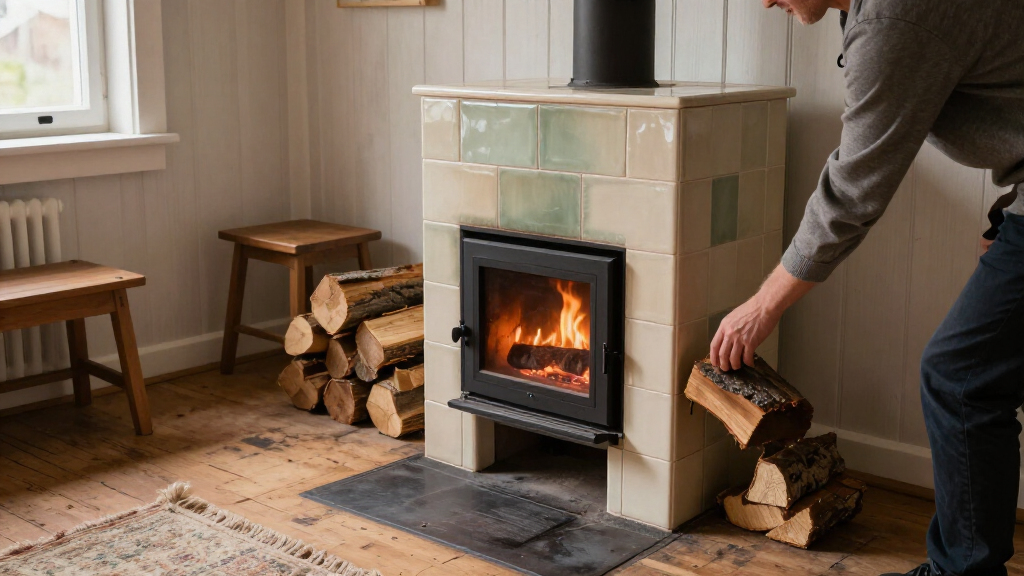
The stoves are known as kakelugnar in Swedish and kachelofen in German. Livingetc describes them as a longstanding northern European heating tradition that is gaining attention in British interiors, where open fires and conventional wood burners are more familiar. Interior designer Henri Fitzwilliam-Lay called them beautiful focal points and said their heating output is highly efficient.
Alan Hills, director of The Ceramic Stove Company, told Livingetc that a ceramic stove can provide heat for 12 to 24 hours after one hot burn, using fewer logs than a conventional wood burner. He also said the hotter fire can combust particulates in the firebox and produce fewer emissions. Those are attributed comments from a company representative, not independently verified performance figures in the report; it gives no test results or comparison conditions.
Examples in the article range from a custom pink stove in a Finnish home to a gas-fitted model in an east London terrace. Designer Olivia Outred said the gas installation was selected to meet London air-quality rules. The report says prices begin at several thousand pounds and that some modular models can be assembled in a few days, while others may require a reinforced base and coordination with building work.
Heat Storage Meets Interior Design
The renewed attention reflects a practical and aesthetic appeal: a ceramic stove can act as a room’s focal point while storing and gradually releasing heat. That differs from the immediate, more direct heat of an open fire, and may appeal to households looking to use less wood. The actual savings, however, will depend on the appliance, fuel, home and how it is used; the source provides no measured household cost comparison.
There is also a clean-air consideration. A stove’s emissions are not established by its ceramic exterior or traditional design alone. Fuel type, appliance specifications, local rules and installation all matter. The gas-fitted London example illustrates that a designer may choose a different fuel to comply with local restrictions, rather than assuming every ceramic stove is a wood burner or suitable for every location.
As an affiliate, we earn on qualifying purchases.
A Northern European Heating Tradition
Livingetc presents ceramic stoves as a familiar feature of historic northern European interiors that is comparatively new to some British design projects. Their tiled outer shells and substantial forms distinguish them visually from many standard freestanding stoves. The article says designers including Adam Bray, Beata Heuman and Veere Grenney have installed ceramic ovens for clients, but it does not provide a market survey or sales data showing how widespread the trend is.
The report also describes installation as a building project, not simply placing an appliance in a room. Outred said a brick tower was built before tiles were applied in her east London project. Hills advised timing installation after wet trades such as plastering and said some models may need a reinforced base. The article notes that prices start at several thousand pounds and characterizes the stoves as long-lasting, but supplies no specific lifespan estimate.
“They are much more efficient than open fires, and a ceramic stove can produce heat for 12 to 24 hours from one hot burn.”
— Alan Hills, director of The Ceramic Stove Company, speaking to Livingetc
kachelofen traditional European ceramic stove
As an affiliate, we earn on qualifying purchases.
As an affiliate, we earn on qualifying purchases.
Performance and Rules Vary by Stove
The Livingetc report does not identify independent tests supporting its heat-retention or emissions comparisons, nor does it specify the models, fuel loads or measurement methods behind the stated 12-to-24-hour heat period. It also provides no emissions figures, verified fuel savings or household bill comparisons. Hills’ statements should therefore be read as attributed industry claims, not as a guarantee for every ceramic stove.
The report does not give a publication date, sales figures or evidence that adoption is increasing across the UK as a whole. Requirements can also differ by location and appliance. It is not clear from the article what permissions, ventilation arrangements or other work each installation requires; homeowners would need advice specific to their property and the model they are considering.
heat-retaining ceramic stove for living room
As an affiliate, we earn on qualifying purchases.
As an affiliate, we earn on qualifying purchases.
Check Models Before Installation
The report describes an emerging design interest rather than a scheduled product launch or regulatory change. For homeowners considering a ceramic stove, the next step is to confirm the appliance’s fuel, tested performance, emissions information and local compliance requirements with the supplier and relevant authorities. They should also establish whether the floor needs reinforcement and coordinate installation with other building work.
Further evidence on independently measured efficiency, emissions and running costs would help show how these stoves compare with other heating options. Until such figures are available, the reported benefits are best treated as model-specific claims alongside the clear design appeal and the substantial purchase and installation costs.
gas-fitted decorative ceramic stove
As an affiliate, we earn on qualifying purchases.
As an affiliate, we earn on qualifying purchases.
Key Questions
What is a Swedish ceramic stove?
A Swedish ceramic stove is called a kakelugn; a related German term is kachelofen. These are tiled heating appliances that can store and release heat, and are often designed as prominent architectural features.
How long can a ceramic stove retain heat?
Alan Hills of The Ceramic Stove Company told Livingetc that a stove can provide heat for 12 to 24 hours after one hot burn. The report does not provide independent test data or conditions for that estimate, so performance may differ by model and use.
Are ceramic stoves more efficient and cleaner than wood burners?
The source reports Hills’ claim that ceramic stoves use fewer logs and can produce fewer emissions than conventional wood burners. It gives no independent comparison figures, so readers should check test information for a specific appliance and fuel type.
How much does a ceramic stove cost?
Livingetc says prices start at several thousand pounds. The report does not provide a detailed price range or a breakdown of installation costs, which may vary with the model and the work required.
What should homeowners check before installing one?
Confirm local air-quality and building requirements, the stove’s fuel and emissions information, and whether the floor needs reinforcement. The report also advises timing installation after wet trades such as plastering; homeowners should get project-specific guidance from the supplier and qualified installers.
Source: rss
Halloween Picks
halloween
As an affiliate, we earn on qualifying purchases.