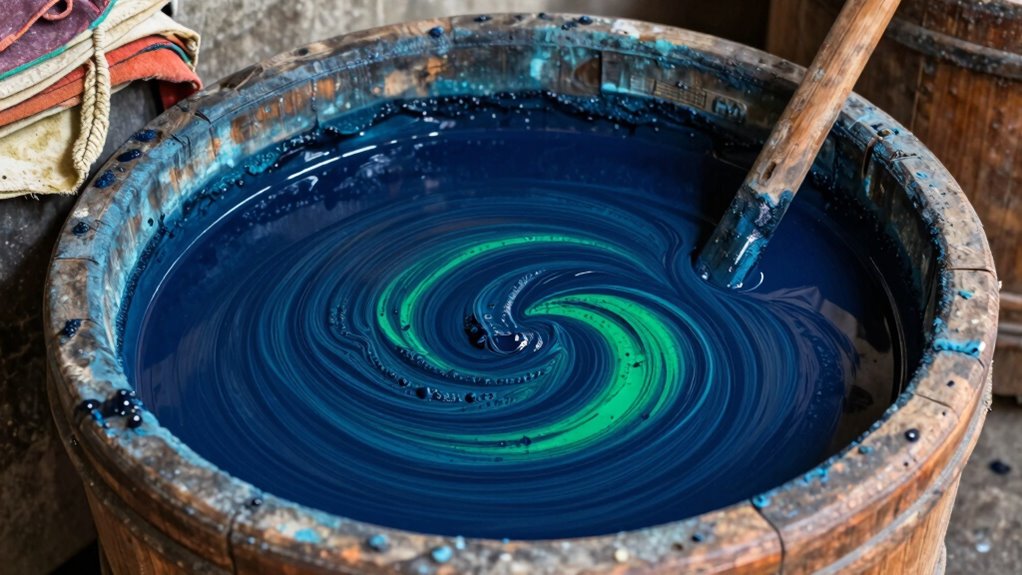

Indigo dye has a rich history that dates back thousands of years, transforming societies through its deep blue hue. You see, it was highly valued for its vibrant color, durability, and cultural significance, fueling extensive trade routes like the Silk Road. As production expanded, indigo became a global commodity, boosting economies and influencing art, fashion, and social status. If you want to discover how this natural dye shaped world history, there’s much more to explore.

Get business pricing on tools and workshop supplies
- Business-only prices and quantity discounts
- Tax-exempt purchasing
- Multiple users, one account, clear invoices
Key Takeaways
- Natural indigo dyeing originated thousands of years ago, symbolizing wealth, spirituality, and social status across multiple cultures.
- Indigo’s trade via routes like the Silk Road connected continents, facilitating cultural exchange and economic growth.
- Skilled extraction and processing techniques made indigo a highly valued, durable, and vivid blue dye.
- Large-scale cultivation and trade of indigo fueled colonial economies, impacting global commerce and social hierarchies.
- Indigo dye helped develop international markets, textile industries, and cultural development, transforming global history before synthetic dyes.
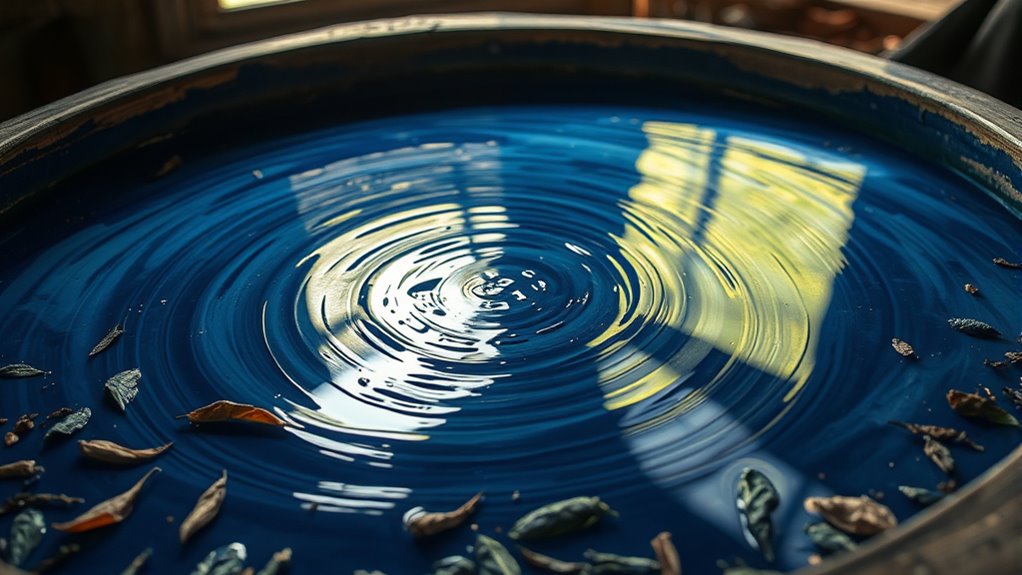
Have you ever wondered how indigo dye became one of the most prized colors in history? The story begins with natural dyeing, a craft practiced for thousands of years across many cultures. Long before synthetic dyes, people relied on plants like Indigofera tinctoria to create that distinctive deep blue hue. This natural dyeing process was labor-intensive but highly valued, as the resulting color symbolized wealth, spirituality, and status in numerous societies. As trade routes expanded, indigo’s allure grew beyond local communities. Traders carried this vibrant dye along the ancient Silk Road and other key routes, connecting distant civilizations from India to Africa, Europe, and Southeast Asia. These routes facilitated not just the exchange of goods but also ideas, techniques, and cultural significance attached to indigo.
Indigo’s journey from ancient craft to global trade connected civilizations and symbolized wealth across cultures.
You might not realize that the journey of indigo from plant to fabric was complex and strategic. Traders and dyers mastered the art of extracting the dye from plant leaves, which involved fermenting and processing to produce a rich, deep blue pigment. This process was delicate, requiring skill and patience, and the final product was highly prized for its vividness and durability. Additionally, the development of industrial cultivation methods during the colonial period dramatically increased indigo production to meet global demand. This process was delicate, requiring skill and patience, and the final product was highly prized for its vividness and durability. As indigo traveled along the historical trade routes, it became a sought-after commodity, often rivaling more precious materials like gold and silk. Its significance extended beyond aesthetics; in many cultures, indigo was believed to possess mystical or spiritual qualities, further elevating its value.
The impact of indigo on global trade was profound. It helped establish economic networks that linked distant parts of the world, fostering intercultural exchanges that shaped history. European traders, in particular, became captivated by indigo’s vibrant color, which they imported in large quantities to meet the growing demand for textiles. This demand led to the development of plantation economies, especially in colonies like India and the Caribbean, where large-scale cultivation of indigo plants became a major industry. The trade of indigo not only fueled economic growth but also influenced art, fashion, and even social hierarchies, as owning richly dyed fabrics became a symbol of power and prestige.
In essence, indigo’s journey from a natural dye to a global trade commodity changed the world in countless ways. It connected continents, boosted economies, and enriched cultures with its striking hue. The story of indigo is a testament to how a simple plant dye could become a catalyst for international commerce and cultural exchange, shaping history long before synthetic dyes revolutionized the textile industry.
As an affiliate, we earn on qualifying purchases.
Frequently Asked Questions
How Did Indigo Influence Ancient Trade Routes?
You see, indigo influenced ancient trade routes by becoming a highly sought-after commodity, connecting regions across Asia, Africa, and Europe. Its rich indigo symbolism and cultural significance made it a luxury item, encouraging merchants to establish extensive trade networks. As traders valued indigo for its vibrant hue and spiritual meaning, these routes flourished, fostering cultural exchange and economic growth that shaped civilizations for centuries.
What Are Modern Alternatives to Traditional Indigo Dye?
You’ll find that modern alternatives to traditional indigo dye include both natural extraction methods and synthetic options. Natural extraction uses plant-based sources like woad or madder, offering an eco-friendly touch. Synthetic alternatives, crafted through chemical processes, provide consistent, vibrant color without the limitations of plant cultivation. These options allow you to enjoy rich blue hues while reducing environmental impact, making them popular choices in contemporary textile and fashion industries.
How Did Indigo Impact Social Hierarchies Historically?
You see, indigo historically shaped social hierarchies by symbolizing wealth and status through its exclusive use. The dye’s cultural significance meant only the upper classes could afford to wear garments dyed with indigo, reinforcing social class divisions. As a result, indigo became a marker of privilege, and its scarcity elevated its value, making it a powerful tool for differentiating social ranks across many societies.
Are There Health Risks Associated With Indigo Dyeing?
You should know that indigo dyeing can pose health risks, especially if you have dye allergies or sensitive skin. Prolonged contact may cause skin irritation, allergic reactions, or respiratory issues from inhaling dye powders. To stay safe, wear protective gear, work in well-ventilated areas, and test for dye allergies beforehand. By taking these precautions, you reduce health risks and enjoy dyeing safely.
How Is Indigo Used in Contemporary Fashion?
You see indigo in contemporary fashion primarily through natural dyeing techniques, where designers prioritize sustainable fashion. You might notice indigo used in denim jeans, jackets, and accessories, often dyed with eco-friendly methods that reduce chemical use. This vibrant blue symbolizes a commitment to sustainability, encouraging you to choose clothing that supports eco-conscious practices and promotes environmental responsibility in the fashion industry.
As an affiliate, we earn on qualifying purchases.
Conclusion
So, it’s fascinating how a simple plant dye shaped history and connected cultures in ways you might never have expected. Coincidentally, that same vibrant blue you see today in fashion and art traces back to ancient origins, reminding you of the unexpected ways small discoveries can change the world. Next time you wear or see indigo, remember it’s more than just a color—it’s a timeless link to human ingenuity and shared history.
As an affiliate, we earn on qualifying purchases.
As an affiliate, we earn on qualifying purchases.
Fall yard work Picks
leaf blowers
As an affiliate, we earn on qualifying purchases.