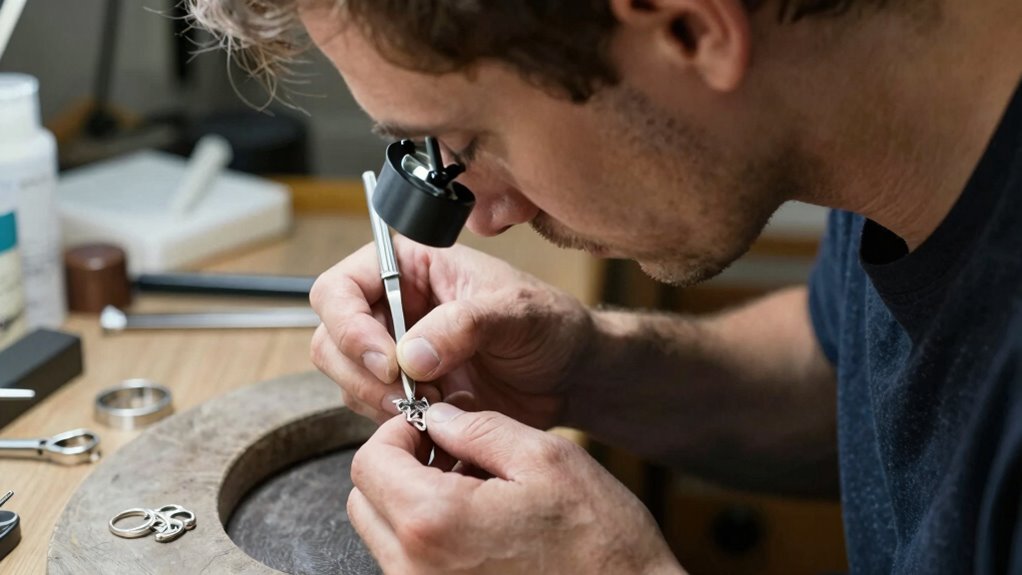

The hidden ergonomic mistake in fine detail work is neglecting small adjustments that support your body’s natural posture. You might focus on precision but overlook how poor tool fit, improper chair height, or reaching beyond your comfortable range increases strain over time. This silent oversight can lead to long-term discomfort or injury without immediate pain. If you want to avoid these hidden risks and work comfortably, understanding how tiny ergonomic tweaks make a big difference is essential.

Get business pricing on tools and workshop supplies
- Business-only prices and quantity discounts
- Tax-exempt purchasing
- Multiple users, one account, clear invoices
Key Takeaways
- Overlooking small workspace adjustments can lead to sustained awkward postures during detailed tasks.
- Ignoring the importance of tool ergonomics increases hand and finger strain over time.
- Failing to maintain a neutral spine while focusing on fine work causes long-term back and neck issues.
- Using improperly positioned or poorly accessible tools prompts unnecessary stretching and twisting.
- Neglecting regular ergonomic assessments prevents early detection of subtle posture-related mistakes.
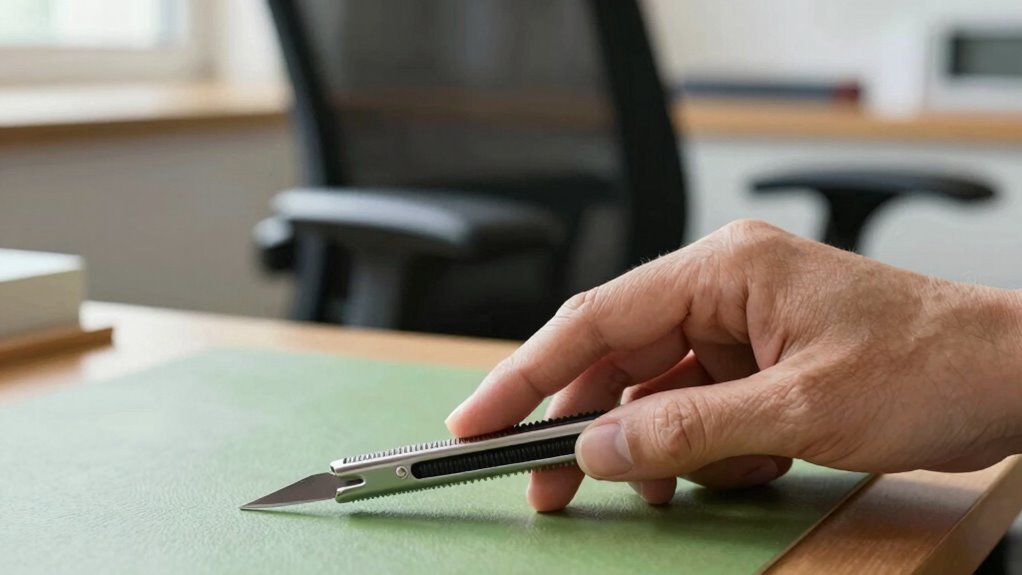
Have you ever wondered why your hands tire quickly or why you experience persistent discomfort after hours of detailed work? The answer might lie in a hidden ergonomic mistake that many overlook: neglecting proper posture correction and tool ergonomics. When you’re focused on precision, it’s easy to forget that how you position your body and the tools you use directly impact your comfort and efficiency. Without proper attention to these aspects, even the most skilled work can become physically taxing.
First, consider your posture. Sitting or standing with poor alignment forces your muscles and joints into unnecessary strain. Slouching, leaning forward, or twisting your torso can lead to fatigue and long-term discomfort. Posture correction isn’t just about sitting up straight; it involves maintaining a neutral spine, keeping your shoulders relaxed, and ensuring your head is aligned over your shoulders. Doing this reduces the tension you place on your neck, back, and shoulders, allowing you to work longer without pain. You might not realize it, but small adjustments—like setting your chair height so your feet are flat on the floor and your elbows rest comfortably at your sides—can profoundly improve your posture during detailed work. Incorporating ergonomic awareness into your routine can help you recognize and correct these issues before they cause discomfort. Additionally, understanding the importance of body mechanics can further enhance your ergonomic practices. Paying attention to your body positioning can prevent unnecessary strain and promote better endurance. Being mindful of muscle engagement can also contribute to maintaining good posture and reducing fatigue.
Next, pay attention to tool ergonomics. The tools you use should fit your hand comfortably and be designed to minimize strain. Poorly designed tools force you to grip tightly or hold awkward angles, which quickly leads to fatigue and discomfort. Choosing ergonomically designed tools with soft grips, balanced weight, and appropriate size can make a big difference. The right tools allow your hand and fingers to move naturally, reducing the effort required for fine movements. Additionally, consider the layout of your workspace. Positioning your tools within easy reach prevents unnecessary stretching or twisting, which can strain muscles and joints over time.
Incorporating proper posture correction and tool ergonomics into your routine doesn’t require a complete overhaul of your workspace. Small, mindful adjustments—like adjusting your chair height, keeping your workspace organized, and selecting ergonomic tools—can greatly lessen physical stress. Remember, the goal isn’t just to work precisely but to do so comfortably and sustainably. When your body is properly supported and your tools are designed for your hand’s comfort, you’ll notice less fatigue, fewer aches, and better focus. Over time, these changes will help you maintain your skill and avoid injuries, making your detailed work not only more enjoyable but also healthier.
ergonomic fine detail work tools
As an affiliate, we earn on qualifying purchases.
As an affiliate, we earn on qualifying purchases.
Frequently Asked Questions
How Can I Identify if I’M Making This Ergonomic Mistake?
You can identify if you’re making this ergonomic mistake by paying close attention to your posture awareness and workspace setup. Notice if your shoulders are tense, your neck feels strained, or if you’re constantly leaning forward. Check if your workspace promotes proper alignment, with your monitor at eye level and your chair supporting your lower back. If any discomfort persists, it’s likely you need to adjust your posture and workspace setup.
What Tools Help Prevent This Ergonomic Error?
You can prevent this ergonomic error by using ergonomic accessories like adjustable magnifiers, supportive wrist rests, and proper lighting. Workspace customization is key—adjust your chair, desk height, and monitor position to promote good posture. These tools help maintain comfort and reduce strain during detailed work. Regularly reviewing and tweaking your setup guarantees you stay ergonomically correct, preventing long-term discomfort and enhancing your focus and precision.
Are There Specific Ergonomic Adjustments for Different Work Environments?
You should personalize your workspace to suit your environment, recognizing that different settings demand unique ergonomic adjustments. Whether you work at a desk, a workshop, or a lab, ergonomic customization helps prevent strain and injury. Embrace workspace diversity by choosing adjustable chairs, footrests, or monitor stands tailored to your needs. This proactive approach guarantees comfort and efficiency, making your work environment a well-balanced space that supports your body’s natural posture.
How Does This Mistake Impact Long-Term Health?
This mistake impacts your long-term health by causing poor posture awareness, which leads to increased muscle strain over time. When you neglect proper ergonomic practices, you risk developing chronic discomfort, repetitive strain injuries, and even conditions like carpal tunnel syndrome. Maintaining good posture and being mindful of ergonomic adjustments helps reduce muscle strain, preventing long-term issues and promoting better overall health during fine detail work.
Can This Mistake Be Corrected Once Identified?
Absolutely, you can correct this mistake once you spot it. Think of your posture awareness as a guiding light illuminating the path to better comfort, while workspace organization acts as the map. By adjusting your posture and reorganizing your workspace, you can undo the long-term effects of poor ergonomics. It’s never too late to make these changes—your body will thank you for prioritizing your health now.
adjustable ergonomic office chair
As an affiliate, we earn on qualifying purchases.
As an affiliate, we earn on qualifying purchases.
Conclusion
So, next time you plunge into those intricate tasks, remember—your workspace is your stage, and your posture is the silent director. Small misalignments can creep in like shadows, quietly sabotaging your comfort and efficiency. Don’t let this hidden mistake be the ghost in your machine; instead, tune your ergonomics like an artist perfecting their masterpiece. When your environment supports you, fine detail work becomes a dance, effortless and graceful, rather than a battle fought in the dark.
As an affiliate, we earn on qualifying purchases.
As an affiliate, we earn on qualifying purchases.
Fall yard work Picks
leaf blowers
As an affiliate, we earn on qualifying purchases.