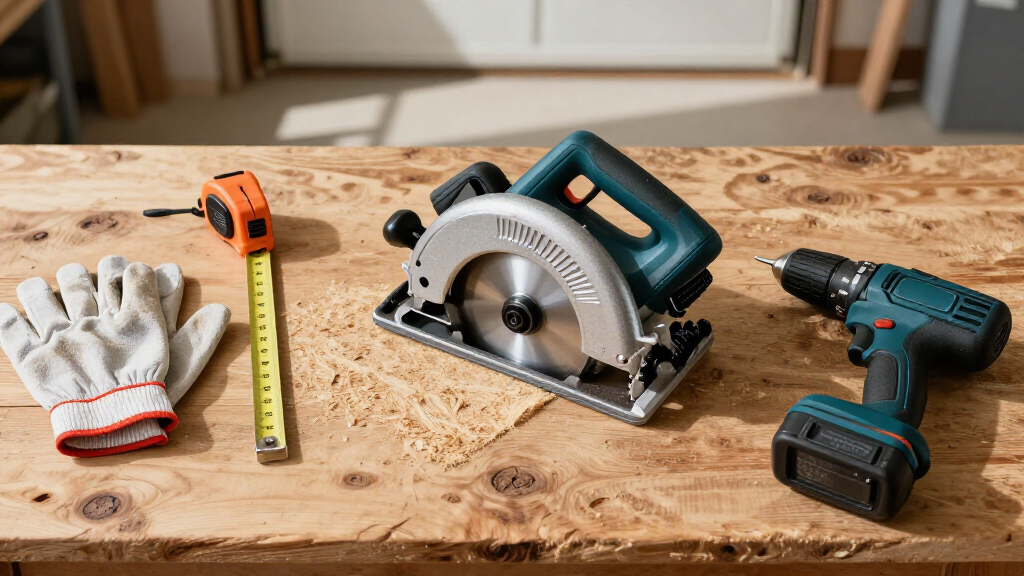

Cordless circular saws have closed the power gap with corded models, but the real challenge now is matching the saw to the work you actually do. The DEWALT FLEXVOLT 60V MAX DCS578B earns my best overall pick for delivering near-corded ripping performance with a full-size 7-1/4-inch blade. On the value side, the DEKOPRO 20V kit stands out for including two batteries and a charger at a budget price, while the SKIL PWR CORE 20V wins for compact, one-handed jobs around the house. The main tradeoffs in this category come down to cutting depth versus weight, battery platform lock-in, and whether a bare tool or full kit gives you the better deal. Keep reading for the full breakdown of all 13 saws and which one fits your projects.

Get business pricing on tools and workshop supplies
- Business-only prices and quantity discounts
- Tax-exempt purchasing
- Multiple users, one account, clear invoices
Complete the kit


Key Takeaways
- The DEWALT FLEXVOLT 60V MAX is the only saw in this lineup that rips sheet goods all day like a corded saw, which is why it tops the ranking despite its higher cost and weight.
- Budget kits from DEKOPRO and Seesii include batteries and chargers, but their smaller blades and weaker bevel capacity mean they suit rough cuts and DIY work, not finish carpentry.
- Several mid-range options (DEWALT 20V MAX XR, Makita XSS02Z) are sold as bare tools, so buyers already on those battery platforms save the most — everyone else should budget for batteries.
- Compact 4-1/2 to 5-1/2 inch saws like the WORKPRO mini and Ryobi P505 trade cutting depth for one-handed control, making them trim and plywood tools rather than framing saws.
- Brushless motors appear at nearly every price point in 2026, so paying extra for brushed motor kits like the ONEAND 18V is hard to justify unless the price is deeply discounted.
| DEWALT FLEXVOLT 60V MAX Circular Saw with Brake, 7-1/4-Inch (DCS578B) |  | Best Overall — Most Powerful Pick | Voltage: 60V MAX (FLEXVOLT) | No-Load Speed: 5800 RPM | Blade Size: 7-1/4 inches | VIEW LATEST PRICE | See Our Full Breakdown |
| DEKOPRO 20V Cordless Circular Saw, 6-1/2-Inch Blade, with 2 Batteries and Charger |  | Best Value — Complete Kit Under Budget | Voltage: 20V | Blade Size: 6-1/2 inches, carbide-tipped (24T) | No-Load Speed: 4500 RPM | VIEW LATEST PRICE | See Our Full Breakdown |
| SKIL PWR CORE 20V Brushless Compact Circular Saw Kit |  | Best for Beginners — Friendly Brushless Kit | Voltage: 20V | No-Load Speed: 5500 RPM | Blade Size: 6-1/2 inches (18T) | VIEW LATEST PRICE | See Our Full Breakdown |
| DEWALT 20V MAX XR Brushless Cordless 7-1/4 in. Circular Saw (Tool Only) |  | Best for Existing DEWALT Owners | Voltage: 20V MAX | No-Load Speed: 5500 RPM | Blade Size: 7-1/4 inches | VIEW LATEST PRICE | See Our Full Breakdown |
| Makita XSS02Z 18V LXT Lithium-Ion Cordless 6-1/2″ Circular Saw, Tool Only |  | Best Lightweight Pick — Easiest to Handle | Voltage: 18V LXT | No-Load Speed: 3700 RPM | Blade Size: 6-1/2 inches (24T) | VIEW LATEST PRICE | See Our Full Breakdown |
| Cordless Circular Saw with 20V Battery, Laser Guide, and 45° Angle Adjustment |  | Best for Beginners | Power Source: 20V battery (included) | No-Load Speed: 3,400 RPM | Cutting Depth at 90°: 1-11/16 inches | VIEW LATEST PRICE | See Our Full Breakdown |
| Ryobi One P505 18V Lithium Ion Cordless 5-1/2″ Circular Saw (Battery Not Included) |  | Best for Ryobi One+ Owners | Power Source: 18V Ryobi One+ battery (not included) | Blade Size: 5-1/2 inches | No-Load Speed: 4,700 RPM | VIEW LATEST PRICE | See Our Full Breakdown |
| ONEAND 18V Cordless 5-1/2 in. Circular Saw (Tool Only) | 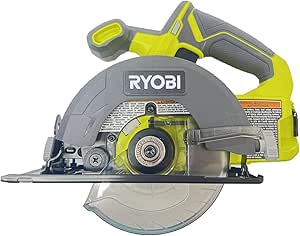 | Cheapest Bare-Tool Option | Power Source: 18V battery (not included) | Blade Size: 5-1/2 inches, 18-tooth carbide | No-Load Speed: 4,700 RPM | VIEW LATEST PRICE | See Our Full Breakdown |
| WORKPRO 20V 4-1/2″ Cordless Mini Circular Saw with 4.0Ah Battery |  | Best Kit for Detail and Multi-Material DIY | Power Source: 20V 4.0Ah battery (included) | No-Load Speed: 4,500 RPM | Bevel Capacity: 45 degrees | VIEW LATEST PRICE | See Our Full Breakdown |
| Craftsman V20 Cordless Circular Saw, 6-1/2 inch, Bare Tool Only |  | Best for Ripping 2x Lumber on a Budget | Power Source: V20 battery (not included) | Blade Size: 6-1/2 inches | No-Load Speed: 4,200 RPM | VIEW LATEST PRICE | See Our Full Breakdown |
| DeWalt 20V MAX Circular Saw, 6-1/2-Inch, Cordless, Sidewinder Style, Battery Not Included |  | Best Bare-Tool Platform Investment | Power Source: Battery Powered (20V MAX) | Blade Size: 6-1/2 inches | No-Load Speed: 5100 RPM | VIEW LATEST PRICE | See Our Full Breakdown |
| SEESII Brushless Cordless Circular Saw with 2×4.0Ah Batteries & Charger |  | Best Multi-Material DIY Kit | Power Source: Battery Powered (21V) | Batteries Included: 2 × 4.0Ah | No-Load Speed: 6500 RPM | VIEW LATEST PRICE | See Our Full Breakdown |
| Seesii 6-1/2″ Cordless Circular Saw with 8000mAh Battery & Charger |  | Best Budget Kit with Precision Aids | Power Source: Battery Powered (20V/21V) | Blade Size: 6-1/2 inches | No-Load Speed: 5200 RPM | VIEW LATEST PRICE | See Our Full Breakdown |
| cordless circular saw | No-Load Speed | Bevel Capacity | Blade Size | Weight |
|---|---|---|---|---|
| DEWALT FLEXVOLT 60V MAX Circul | 5800 RPM | Up to 57 degrees | 7-1/4 inches | 8.2 pounds |
| DEKOPRO 20V Cordless Circular | 4500 RPM | 0–45 degrees | 6-1/2 inches, carbide-tipped (24T) | — |
| SKIL PWR CORE 20V Brushless Co | 5500 RPM | — | 6-1/2 inches (18T) | 8 pounds |
| DEWALT 20V MAX XR Brushless Co | 5500 RPM | — | 7-1/4 inches | 9.15 pounds |
| Makita XSS02Z 18V LXT Lithium- | 3700 RPM | 0–50 degrees | 6-1/2 inches (24T) | 7.3 pounds |
| Cordless Circular Saw with 20V | 3,400 RPM | 45 degrees | — | 4 pounds |
| Ryobi One P505 18V Lithium Ion | 4,700 RPM | 50 degrees | 5-1/2 inches | — |
| ONEAND 18V Cordless 5-1/2 in. | 4,700 RPM | 45 degrees | 5-1/2 inches, 18-tooth carbide | — |
| WORKPRO 20V 4-1/2" Cordless Mi | 4,500 RPM | 45 degrees | — | 9.6 pounds |
| Craftsman V20 Cordless Circula | 4,200 RPM | 50 degrees | 6-1/2 inches | 5.3 pounds |
| DeWalt 20V MAX Circular Saw | 5100 RPM | 0–50 degrees | 6-1/2 inches | 3.16 kg (6.97 lbs) |
| SEESII Brushless Cordless Circ | 6500 RPM | 45 degrees | — | 10 pounds |
| Seesii 6-1/2" Cordless Circula | 5200 RPM | 45 degrees | 6-1/2 inches | — |
More Details on Our Top Picks
DEWALT FLEXVOLT 60V MAX Circular Saw with Brake, 7-1/4-Inch (DCS578B)
This saw claims the top spot because it answers the one question that sinks most cordless circular saws: can it keep up with a corded model? With 60V FLEXVOLT power and 5800 RPM, this option delivers roughly 47% more power than previous DEWALT generations, which means it won’t bog down when ripping sheet goods or framing lumber. Compared with the DEWALT 20V MAX XR (DCS590B), the higher voltage platform gives it a clear advantage in sustained heavy cutting, though both share the same 2-9/16-inch max cut depth. The electric brake and integrated LED are meaningful safety upgrades over budget picks like the DEKOPRO 20V, which has neither. The tradeoff is real, though: the battery and charger are sold separately, and at 8.2 pounds it gets tiring on all-day overhead work. This pick makes the most sense for buyers who already own FLEXVOLT batteries or plan to build a 60V ecosystem.
Pros:- Up to 47% more power than previous DEWALT models
- Electric brake stops the blade quickly between cuts
- 57-degree bevel capacity handles aggressive angled cuts
- 5800 RPM rivals corded saw performance
Cons:- Battery and charger sold separately, inflating the true cost
- 8.2 pounds causes fatigue during extended overhead or one-handed use
Best for: Contractors and serious DIYers who need near-corded cutting power for framing, decking, and rip cuts
Not ideal for: Casual homeowners or occasional users — the total cost after buying batteries and a charger is hard to justify for light-duty cuts
- Voltage:60V MAX (FLEXVOLT)
- No-Load Speed:5800 RPM
- Blade Size:7-1/4 inches
- Max Cut Depth at 90°:2-9/16 inches
- Bevel Capacity:Up to 57 degrees
- Weight:8.2 pounds
- Special Features:Electric brake, integrated LED
Our verdict“If raw cutting power is the priority and you’re invested in (or starting) a DEWALT 60V battery platform, this is the cordless saw to beat.”
DEKOPRO 20V Cordless Circular Saw, 6-1/2-Inch Blade, with 2 Batteries and Charger
Most saws in this lineup arrive as bare tools, which makes comparing prices misleading. The DEKOPRO stands out for including two 4.0Ah batteries and a charger — everything needed to start cutting on day one, a package that DEWALT and Makita owners typically pay an extra $150+ to assemble. Compared with the Makita XSS02Z, which ships without battery, blade, or charger, this kit is dramatically cheaper to get running. The 4500 RPM motor and 0–45 degree bevel cover the basics: plywood, 2x lumber, fencing, and decking repairs. The laser guide helps beginners stay on the line, though it washes out in direct sunlight. Buyers should temper expectations — the motor lacks the stamina for continuous rip cuts in thick hardwood, something the brushless SKIL PWR CORE 20V handles with less strain. For occasional projects, though, those limits rarely matter.
Pros:- Two 4.0Ah batteries and charger included in the box
- 4500 RPM handles common DIY cutting tasks
- Laser guide helps beginners follow the cut line
- Adjustable 0–45 degree bevel adds versatility
Cons:- Battery life drops quickly under heavy, continuous load
- Laser guide becomes hard to see in bright outdoor light
Best for: First-time tool buyers and weekend DIYers who want a working saw kit without shopping for batteries separately
Not ideal for: Frequent builders cutting thick or dense material daily — the motor and battery runtime will fall short of pro demands
- Voltage:20V
- Blade Size:6-1/2 inches, carbide-tipped (24T)
- No-Load Speed:4500 RPM
- Bevel Capacity:0–45 degrees
- Batteries Included:2 x 4.0Ah
- Extras:Charger and laser guide included
Our verdict“The cheapest way to get a fully operational cordless circular saw, as long as your projects stay on the light-to-moderate side.”
SKIL PWR CORE 20V Brushless Compact Circular Saw Kit
This model earns its spot by pairing brushless motor technology — usually reserved for pro-tier tools — with a beginner-friendly design at a kit price. The brushless motor running at 5500 RPM delivers smoother cuts and better runtime than the brushed DEKOPRO, meaning fewer mid-project battery swaps and less maintenance over the tool’s life. The LED shadow line is the standout feature for newer users: instead of a laser that can drift or wash out, the shadow cast by the blade shows exactly where the cut will land, which shortens the learning curve considerably. It also includes a battery, charger, and blade, unlike the bare-tool DEWALT 20V MAX XR. The compromises: it’s a 6-1/2-inch blade rather than full-size 7-1/4, so max cut depth is shallower, and a 5-year warranty is generous, but the single included battery limits long work sessions.
Pros:- Brushless motor delivers 5500 RPM with better efficiency and runtime
- LED shadow line shows the exact cut path without laser drift
- Complete kit includes battery, charger, and blade
- 5-year warranty beats most competitors in this price range
Cons:- Single included battery limits runtime on longer projects
- 8 pounds is heavy relative to its compact blade size
Best for: DIYers and hobbyists upgrading from a first cheap saw who want brushless performance with guided, forgiving cut visibility
Not ideal for: Framers who need to cut 3x lumber or rip full sheet goods daily — the 6-1/2-inch blade can’t match 7-1/4-inch cut depth
- Voltage:20V
- No-Load Speed:5500 RPM
- Blade Size:6-1/2 inches (18T)
- Motor Type:Brushless
- Batteries Included:1 x Lithium Ion
- Weight:8 pounds
- Warranty:5 years
Our verdict“The easiest cordless circular saw to learn on, thanks to the shadow-line system and a complete kit at a mid-range price.”
DEWALT 20V MAX XR Brushless Cordless 7-1/4 in. Circular Saw (Tool Only)
This saw occupies a specific niche: buyers already sitting on a pile of DEWALT 20V MAX batteries from drills, impact drivers, or other tools. For them, the bare-tool format is a bargain, since it skips the cost of redundant batteries and chargers. The specs are genuinely pro-grade — a brushless motor rated at 1,700 max watts out, a 7-1/4-inch blade with the same 2-9/16-inch cut depth as the bigger FLEXVOLT 60V model, and DEWALT’s claim of up to 368 cuts per charge. Compared with its sibling, the DCS578B FLEXVOLT, this one trades a bit of raw power for compatibility with the far more common (and cheaper) 20V battery line. Anyone starting from scratch, however, should look at the DEKOPRO kit instead, because buying batteries separately here erases the price advantage quickly.
Pros:- Brushless motor rated at 1,700 MWO for demanding applications
- Up to 368 cuts per charge on compatible batteries
- Full 7-1/4-inch blade with 2-9/16-inch cut depth
- Electric brake adds jobsite safety
Cons:- No battery, charger, or blade included in the box
- Only worthwhile if you already own DEWALT 20V batteries
Best for: DEWALT 20V platform owners who want a full-size 7-1/4-inch brushless saw without paying for batteries they already have
Not ideal for: First-time buyers with no existing batteries — the tool-only price plus battery and charger costs exceed complete kits from other brands
- Voltage:20V MAX
- No-Load Speed:5500 RPM
- Blade Size:7-1/4 inches
- Max Cut Depth at 90°:2-9/16 inches
- Motor Type:Brushless
- Power Rating:1,700 MWO
- Weight:9.15 pounds
- Special Features:Electric brake, up to 368 cuts per charge
Our verdict“A pro-grade 20V saw that only makes financial sense inside an existing DEWALT battery ecosystem.”
Makita XSS02Z 18V LXT Lithium-Ion Cordless 6-1/2″ Circular Saw, Tool Only
At 7.3 pounds with a precision-machined aluminum base, the Makita XSS02Z is the most manageable full-size-feeling saw in this batch. That machined base is the real differentiator: it stays flat and true over years of jobsite abuse, which is why trim carpenters and installers have trusted this platform for a decade. Compared with the SKIL PWR CORE 20V, the Makita spins slower at 3700 RPM, but the trade is smoother control and cleaner cuts in finish work rather than raw speed. The 50-degree bevel capacity also outclasses the 45-degree limits on the DEKOPRO and SKIL, opening up steeper angled cuts. The catch is the classic Makita bare-tool problem: no battery, no charger, no blade in the box, so it’s priced best for people already running Makita 18V LXT tools. Newcomers get a better total deal from the DEKOPRO kit.
Pros:- Lightweight 7.3-pound body reduces fatigue on all-day work
- Precision-machined aluminum base stays flat for accurate cuts
- 50-degree bevel capacity exceeds the typical 45-degree limit
- Trusted platform with wide 18V LXT battery compatibility
Cons:- Battery, charger, and blade all sold separately
- 3700 RPM is noticeably slower than 5,000+ RPM competitors for aggressive rip cuts
Best for: Trim carpenters, installers, and Makita 18V LXT owners who prioritize control, accuracy, and low weight over brute power
Not ideal for: Buyers starting from zero or those needing maximum rip-cut speed — the lower RPM and missing accessories make it a poor first purchase
- Voltage:18V LXT
- No-Load Speed:3700 RPM
- Blade Size:6-1/2 inches (24T)
- Bevel Capacity:0–50 degrees
- Base Material:Precision-machined aluminum
- Weight:7.3 pounds
- Warranty:Limited warranty
Our verdict“The best-handling saw here for finish work — provided you already own Makita 18V batteries.”
Cordless Circular Saw with 20V Battery, Laser Guide, and 45° Angle Adjustment
For a first cordless saw, the barrier is usually fear — of binding blades, wandering cuts, and buying the wrong accessories. This kit addresses all three. The laser guide gives new users a visible cut line, which matters more than raw power when you’re still learning to keep a steady hand, and the included battery, charger, and multi-material blade set means everything arrives ready to work. Compared with the Ryobi P505, this saw cuts shallower (1-11/16 inches max versus full 2x capability) and spins slower at 3400 RPM, but it’s a complete package rather than a bare tool. The tradeoff is real: 4-pound one-handed convenience comes at the cost of battery runtime, and soft-metal cutting is a light-duty claim, not a fabrication-shop promise.
Pros:- Complete kit with battery, charger, and multiple blades for wood, plastic, and soft metal
- Laser guide helps beginners keep cuts on the line
- 4-pound weight allows true one-handed control
- Adjustable depth and 45° bevel cover basic DIY scenarios
Cons:- Battery life falls short on extended projects, so expect recharge pauses
- Cutting depth of 1-11/16 inches limits it to thin stock and trim work
- Laser guide requires its own replacement batteries over time
Best for: First-time DIYers and hobbyists who want a complete, ready-to-cut kit with guidance features for learning accurate cuts
Not ideal for: Anyone ripping sheet goods or framing lumber — the shallow 1-11/16 inch depth capacity can’t clear a 2×4 in one pass
- Power Source:20V battery (included)
- No-Load Speed:3,400 RPM
- Cutting Depth at 90°:1-11/16 inches
- Cutting Depth at 45°:1-1/8 inches
- Bevel Capacity:45 degrees
- Weight:4 pounds
- Blade Material:Alloy steel
Our verdict“Buy this if you’re new to circular saws and want a forgiving, all-in-one starter kit; skip it if you need to dimension framing lumber.”
Ryobi One P505 18V Lithium Ion Cordless 5-1/2″ Circular Saw (Battery Not Included)
If you already own Ryobi One+ batteries, this is arguably the cheapest path to a legitimate circular saw, because the bare-tool pricing makes sense only when the battery is already in your garage. At 4,700 RPM, it actually out-spins the Craftsman V20 by a comfortable margin, and the 50-degree bevel exceeds the 45-degree capacity of the ONEAND 18V, giving it genuine versatility for angled trim work. The rubber overmold and transparent lower guard are thoughtful touches at this price — you can see the blade engage the cut line. The catch is straightforward: buying a battery and charger separately erases the value advantage over the WORKPRO 20V kit, and the 5-1/2 inch blade caps depth on thicker stock.
Pros:- 4,700 RPM is faster than many pricier compact cordless saws
- 50-degree bevel capacity exceeds the typical 45-degree limit
- Transparent lower guard and overmolded grip improve control and visibility
- Onboard wrench storage means fewer lost blade-change tools
Cons:- Battery and charger sold separately, which can nearly double the real cost
- 5-1/2 inch blade limits cutting depth on thicker lumber
- No blades or accessories included beyond the tool itself
Best for: Existing Ryobi One+ tool owners who can drop in batteries they already own and want a capable budget saw
Not ideal for: Buyers starting from zero tools — the added cost of battery and charger makes complete kits like the DEKOPRO a better deal
- Power Source:18V Ryobi One+ battery (not included)
- Blade Size:5-1/2 inches
- No-Load Speed:4,700 RPM
- Bevel Capacity:50 degrees
- Handle:Rubber overmolded with auxiliary side handle
- Guard:Transparent lower guard
Our verdict“A smart add-on for a Ryobi One+ household; a poor starting point for anyone without compatible batteries.”
ONEAND 18V Cordless 5-1/2 in. Circular Saw (Tool Only)
This is the floor of the roundup’s price range, and it earns its spot by being an honest no-frills bare tool rather than pretending to be more. The 4,700 RPM motor matches the Ryobi P505 on paper, and the carbide-tipped 18-tooth blade is a legitimate inclusion at this price — some budget saws ship with blades that dull within a weekend. Where it trails Ryobi is in the details: bevel capacity stops at 45 degrees, there’s no transparent guard or auxiliary handle, and the warranty is a skimpy 30 days. Compared with the WORKPRO mini saw, you lose the laser, dust extraction, and included battery, but you also shed weight for quick, repetitive cuts. This pick makes sense only if a compatible 18V battery is already on your bench.
Pros:- Lowest-cost entry point in this lineup for a functional cordless saw
- 4,700 RPM high-speed motor delivers clean cuts in thin wood
- Carbide-tipped 18-tooth blade included, which is generous at this price
- Lightweight and compact for tight spaces and overhead work
Cons:- Tool only — no battery, charger, or accessories included
- 30-day limited warranty offers minimal long-term protection
- Bevel capacity capped at 45 degrees with no guard or dust features
Best for: Budget-conscious DIYers who already have a compatible 18V battery and need a basic wood-cutting saw for occasional jobs
Not ideal for: Frequent users or anyone needing bevels beyond 45 degrees — the thin feature set and 30-day warranty offer little margin for error
- Power Source:18V battery (not included)
- Blade Size:5-1/2 inches, 18-tooth carbide
- No-Load Speed:4,700 RPM
- Bevel Capacity:45 degrees
- Recommended Surface:Wood
- Warranty:30-day limited
Our verdict“The cheapest way into cordless cutting if you already own batteries, but the 30-day warranty signals that this is a light-duty tool.”
WORKPRO 20V 4-1/2″ Cordless Mini Circular Saw with 4.0Ah Battery
This option stands out for material versatility in a complete kit: wood, tile, and plastic blades ship in the box alongside a 4.0Ah battery and fast charger, which immediately positions it ahead of the bare-tool Craftsman V20 and ONEAND for buyers starting from scratch. The adjustable depth, laser guide, and dust extraction port combine to make it the most precision-oriented of the mini saws here — closer to a specialist’s trim tool than a general construction saw. Compared with the B0FT7MHLV3 laser-guide mini saw, the WORKPRO is heavier at 9.6 pounds but gains tile-cutting capability and a larger battery. The tradeoff for that versatility is power: an 80-watt motor won’t muscle through dense framing lumber the way a full-size 6-1/2 inch saw like the Craftsman will.
Pros:- Complete kit with 4.0Ah battery, fast charger, and blades for wood, tile, and plastic
- Laser guide plus dust extraction port support cleaner, more accurate work
- Adjustable cutting depth and angle cover a wide range of DIY tasks
- Safety lock prevents accidental starts during setup
Cons:- At 9.6 pounds it’s heavy for prolonged one-handed mini-saw use
- 80-watt motor lacks the power for dense or thick stock
- Dust extraction setup can feel cumbersome on quick jobs
Best for: DIYers tackling mixed-material projects — trim, plywood, tile, and plastic — who want blades, battery, and precision features in one purchase
Not ideal for: Framers and deck builders — the compact blade and modest motor can’t match full-size saws for ripping dimensional lumber
- Power Source:20V 4.0Ah battery (included)
- No-Load Speed:4,500 RPM
- Bevel Capacity:45 degrees
- Blade:4-1/2 inch, 24-tooth
- Motor Wattage:80 watts
- Weight:9.6 pounds
- Extra Features:Laser guide, dust extraction, safety lock, adjustable depth
Our verdict“The best all-in-one package for mixed-material DIY precision work, as long as your projects stay away from heavy framing lumber.”
Craftsman V20 Cordless Circular Saw, 6-1/2 inch, Bare Tool Only
This is the entry point to full-size cordless cutting in this batch. The 6-1/2 inch blade clears 2x material in a single pass — something none of the mini saws here, including the WORKPRO or the laser-guide starter kit, can manage — and the durable metal shoe and 3-year warranty signal construction-grade intent rather than hobby-grade compromise. At 5.3 pounds with a 4,200 RPM motor, it splits the difference between the compact 5-1/2 inch Ryobi P505 and pro-tier options like the Makita XSS02Z, at a lower price than both. The tradeoffs are the standard bare-tool complaints: battery, charger, and even blades cost extra, so the real total lands well above sticker. Still, for V20 system owners, it’s the most capable budget path to framing-ready cuts.
Pros:- 6-1/2 inch blade capacity handles 2x material in a single pass
- Durable metal shoe stands up to jobsite abuse better than plastic bases
- 50-degree bevel capacity and 4,200 RPM motor cover serious cutting angles
- 3-year limited warranty dwarfs the 30-day coverage on budget competitors
Cons:- Bare tool only — battery, charger, and blades all sold separately
- 18V platform has less headroom than 20V+ systems for sustained heavy cuts
- True cost after accessories rivals better-equipped complete kits
Best for: Craftsman V20 owners and budget DIYers who need to cross-cut and rip dimensional lumber like a full-size saw
Not ideal for: Buyers with no V20 batteries on hand — the separate battery, charger, and blade purchases push the total past complete kits like the DEKOPRO
- Power Source:V20 battery (not included)
- Blade Size:6-1/2 inches
- No-Load Speed:4,200 RPM
- Bevel Capacity:50 degrees
- Weight:5.3 pounds
- Shoe:Durable metal
- Warranty:3-year limited
Our verdict“The cheapest full-size cordless saw in this lineup for system owners, and the one to pick when 2x lumber is on the cut list.”
DeWalt 20V MAX Circular Saw, 6-1/2-Inch, Cordless, Sidewinder Style, Battery Not Included
DeWalt’s bare-tool strategy makes this saw the smartest choice for anyone already sitting on a pile of 20V MAX batteries. Compared with the DEKOPRO and Seesii kits that bundle generic cells, this one trades included batteries for genuine jobsite-grade construction — the magnesium shoe and 5150 RPM motor feel built for daily abuse rather than weekend projects. The 0–50° bevel range also out-cuts the 45° maximum on both Seesii models, which matters for steeper trim work. The tradeoff is real: if you’re starting from zero, the true cost after adding a battery and charger lands well above the complete kits. And unlike the SEESII brushless model, this one cuts wood only — no multi-material blade package here.
Pros:- Durable magnesium shoe holds accuracy through jobsite wear
- 0–50° bevel capacity exceeds the 45° limit on most budget rivals
- 5150 RPM motor handles demanding rip cuts without bogging down
- Keyless blade changes speed up workflow
Cons:- Battery and charger sold separately, inflating true cost for newcomers
- Wood-only cutting — no multi-material capability like the SEESII kit
Best for: DeWalt 20V MAX platform owners who want a proven, durable sidewinder without paying for redundant batteries
Not ideal for: First-time cordless buyers with no existing batteries — the bare-tool price plus battery and charger easily exceeds complete kits
- Power Source:Battery Powered (20V MAX)
- Blade Size:6-1/2 inches
- No-Load Speed:5100 RPM
- Bevel Capacity:0–50 degrees
- Weight:3.16 kg (6.97 lbs)
- Batteries Included:None (tool only)
- Recommended Material:Wood
Our verdict“Buy it only if you already own DeWalt 20V batteries; otherwise a bundled kit delivers far better value.”
SEESII Brushless Cordless Circular Saw with 2×4.0Ah Batteries & Charger
Where most saws in this roundup are wood-only, the SEESII brushless kit earns its spot by cutting wood, plastic, soft metal, and ceramic tile with the included blade assortment — a capability the DeWalt 20V MAX and the Seesii 5200 RPM model can’t match. The brushless motor at 6500 RPM is the fastest in this batch, producing smoother cuts with less friction wear over time. The complete package (two 4.0Ah batteries, charger, laser guide, dust collection) undercuts what a bare DeWalt costs after you add power. The catch is cutting depth: it trails full-size 6-1/2″ saws on thick lumber, and the 10-pound package isn’t the featherweight its compact frame suggests.
Pros:- Brushless motor delivers 6500 RPM with better long-term durability
- Multi-material blades included for wood, tile, plastic, and soft metal
- Complete kit with two 4.0Ah batteries and charger
- Laser guide and dust collection improve cut accuracy and cleanup
Cons:- Cutting depth insufficient for thick dimensional lumber
- Batteries drain quickly under continuous heavy use
- Higher cost than basic corded alternatives
Best for: DIYers and hobbyists tackling mixed materials — tile, plastic, soft metal, and wood — who want everything in one box
Not ideal for: Framers or deck builders who routinely rip thick dimensional lumber and need full-size cutting depth
- Power Source:Battery Powered (21V)
- Batteries Included:2 × 4.0Ah
- No-Load Speed:6500 RPM
- Motor Type:Brushless
- Bevel Capacity:45 degrees
- Weight:10 pounds
- Warranty:Extended
Our verdict“The most versatile all-in-one kit here for mixed-material DIY work, as long as your stock isn’t extra thick.”
Seesii 6-1/2″ Cordless Circular Saw with 8000mAh Battery & Charger
This Seesii sits in a different lane than its brushless sibling: it’s the value play for wood-focused work. You still get dual 21V batteries, a charger, laser guide, and LED illumination — the same convenience package as the SEESII — but at a friendlier price, with the full 6-1/2″ blade that the smaller brushless model can’t offer for depth of cut. The 5200 RPM motor matches the DeWalt 20V MAX for speed, though without a brand-name track record behind it. Compared with the DeWalt bare tool, this wins on out-of-box readiness; compared with the SEESII, it wins on blade size but loses multi-material versatility. Wood only, and expect to recharge during long sessions.
Pros:- Dual 21V batteries and charger included for extended sessions
- Full 6-1/2″ blade gives deeper cuts than compact rivals
- LED illumination and laser guide aid visibility and accuracy
- Adjustable bevel and depth for versatile woodworking
Cons:- Wood-only cutting — no metal or masonry capability
- Battery life falls short under extended heavy-duty use
- Requires prior power-tool familiarity to operate safely
Best for: Budget-conscious DIYers who want a ready-to-run woodcutting kit with laser and LED guidance for under the price of bare-name-brand tools
Not ideal for: Users cutting metal, tile, or masonry, or anyone planning all-day continuous cuts — runtime and material range fall short
- Power Source:Battery Powered (20V/21V)
- Blade Size:6-1/2 inches
- No-Load Speed:5200 RPM
- Batteries Included:2 × 4000mAh (21V)
- Bevel Capacity:45 degrees
- Power Output:600 watts
- Weight Class:Compact handheld
Our verdict“A complete, wallet-friendly woodcutting kit for occasional DIY projects — just don’t expect pro-grade runtime or material range.”
How We Picked
I ranked these cordless circular saws on four factors that directly affect what you can build: raw cutting performance (blade size, RPM, and how the saw handles dense framing lumber), cut capacity and accuracy (depth at 90 degrees, bevel range, and fence visibility), ergonomics and weight (one-handed versus two-handed use, balance with battery attached), and total cost of ownership — meaning battery and charger included versus bare tool pricing.
The ranking logic favors saws that match their intended buyer rather than raw specs alone. Full-size 7-1/4-inch brushless models sit at the top because they replace a corded saw outright; mid-size 6-1/2-inch saws rank on value within a battery ecosystem; and compact saws are judged on whether they justify a second saw purchase. Kits that bundle genuine-capacity batteries score higher than similarly priced bare tools, and brushed-motor budget saws only earn recommendations when the price gap is wide enough to matter.
Factors to Consider When Choosing Cordless Circular Saws
Before picking a saw from the list above, step back and think about the battery system, the blade size, and the actual material you cut most often. These factors decide satisfaction more than any single spec on the box.Blade Size Sets Your Ceiling
The single biggest decision is blade diameter, because it determines cutting depth — and cutting depth can’t be upgraded later. A 7-1/4-inch saw cuts through 2x lumber at 90 degrees in one pass and handles stacked sheet goods, which is why framers and serious builders won’t accept anything smaller. A 6-1/2-inch blade still handles 2x4s and most plywood but typically loses depth at 45-degree bevels, which catches first-time buyers off guard mid-project. The 4-1/2 to 5-1/2 inch saws are a different tool category entirely: excellent for trim, thin stock, and one-handed plunge cuts, but they will stall or require flip-cuts on dimensional lumber. A common mistake is buying a mini saw to save money, then discovering it can’t crosscut a 2×10. Match the blade to your thickest regular cut, not your average one.
Your Battery Platform Is a Long-Term Commitment
When you buy a cordless circular saw, you’re really buying into a battery ecosystem that will outlast the tool. DEWALT 20V MAX, Makita 18V LXT, Ryobi ONE+, and Craftsman V20 batteries power dozens of other tools, so a bare-tool purchase pays off if you already own — or plan to own — drills, impact drivers, or reciprocating saws on that platform. The mistake I see most often is buying a house-brand kit like DEKOPRO or Seesii because it includes batteries, then being locked into an ecosystem with limited tool selection. That bundled kit price is only a deal if the saw is your one and only cordless tool. If you expect to expand, the platform decision should come first and the saw second.
Brushless Motors Now Justify Their Premium at Almost Every Level
Brushless motors run cooler, deliver more torque per amp-hour, and extend battery runtime by a meaningful margin — and in 2026 they’ve filtered down to compact and mid-priced saws, not just flagship models. Where a brushed motor saw bogs down in wet lumber or thick OSB, a brushless model maintains blade speed, which translates directly into cleaner cuts and fewer burning finishes. The one place brushed motors still make sense is occasional-use budget saws where the price gap exceeds $50–70. When comparing two saws at similar prices, always take the brushless one; the runtime difference alone erases any spec-sheet parity elsewhere in the listing.
Bare Tool Versus Kit: Do the Real Math
Manufacturers price bare tools attractively, but the sticker hides the true cost. A high-capacity battery and fast charger can add $100–180 to a bare-tool purchase, which frequently flips the value comparison toward a complete kit. Circular saws are also the hungriest tools in most kits — a small 2.0Ah battery that runs a drill all afternoon may deliver only a dozen cuts in a 7-1/4-inch saw. For full-size saws, I’d treat a 5.0Ah minimum as the practical floor, and dual-battery kits as the real sweet spot for uninterrupted work. Before choosing, price the complete package: saw plus the battery capacity you actually need, not the cheapest cell the brand sells.
Weight, Balance, and One-Handed Control
A saw that’s uncomfortable gets used badly, and badly used circular saws produce wandering cuts and kickback. Full-size sidewinders with a big battery can push past 10 pounds, which matters on vertical cuts, overhead work, or long rip cuts where fatigue sets in by the third pass. Compact saws trade that stability for control in tight spots, but their lighter weight makes them jump more when the blade binds. Handle the balance question seriously: a saw that balances over the blade line with the battery installed will track straighter than a nose-heavy or tail-heavy design, regardless of the weight printed in the specs. If most of your work is on sawhorses, weight matters less; if you’re cutting in place on a ladder, it matters enormously.
Spend More on the Saw, Not the Accessories
One pattern from this comparison worth repeating: laser guides, LED lights, and bundled blades at the budget end rarely survive real use, and the included blades are often the weakest part of any kit saw. A $15–25 quality replacement blade improves cut quality more than $50 of extra features. Where spending more genuinely pays is electric brakes, which stop the blade in under two seconds and dramatically reduce the risk of contact injuries when you set the saw down between cuts — a feature the DEWALT FLEXVOLT includes but most budget saws skip. Bevel detents at 22.5 and 45 degrees are the other quiet upgrade that saves time on repeat cuts. Prioritize safety and precision features over cosmetic ones.
Frequently Asked Questions
Can a cordless circular saw really replace a corded 7-1/4-inch saw?
For most users, yes — but only if you buy the right voltage class. High-voltage platforms like DEWALT’s 60V FLEXVOLT deliver torque and sustained RPM that match or beat 15-amp corded saws through framing lumber and rip cuts. Standard 20V-class 7-1/4-inch saws handle 90 percent of jobs but may slow on long rips in dense material or when paired with undersized batteries. The honest compromise is battery runtime: a heavy day of sheet-goods ripping will drain even a large battery, so professionals often keep a second pack charging. If you cut continuously all day, every day, corded still has a place; for everyone else, a flagship cordless model is a legitimate full replacement.
Is a 6-1/2-inch blade big enough, or should I pay more for 7-1/4 inches?
The answer depends on your lumber. A 6-1/2-inch blade crosscuts 2x4s and handles plywood comfortably, but at a 45-degree bevel many models can’t get through a 2×4 in one pass, forcing a flip cut. A 7-1/4-inch blade gives you full-depth bevel capacity plus the ability to cut 2x10s and stacked stock cleanly. The price gap between the two sizes has narrowed, and 7-1/4-inch cordless saws are lighter than ever, so unless you specifically want a compact saw for one-handed use, the larger blade is usually the safer long-term choice.DIYers doing occasional deck or furniture work can save with 6-1/2 inches; anyone framing or doing remodeling should not compromise here.
Are the budget kits with included batteries and chargers actually a good deal?
They can be, if you go in with realistic expectations. Kits from DEKOPRO, ONEAND, and Seesii deliver a complete working package for the price of a bare name-brand tool, which is genuine value for occasional DIY cuts. The tradeoffs are real: weaker bevel mechanisms, blades that dull quickly, batteries that may sag under load, and no path into a broader tool ecosystem if you want more cordless tools later. What I advise against is expecting budget-kit performance to rival a brushless name-brand saw — it won’t, and pushing a small motor through thick stock shortens its life. Treat these as honest entry-level tools for light-duty work, not framers on a budget.
What does an electric brake actually do, and is it worth paying extra for?
An electric brake reverses current to the motor and stops the blade within about two seconds after you release the trigger — compared to 10 or more seconds of free spin-down on saws without one. The safety benefit is immediate: the most common circular saw injury scenario involves setting the saw down or carrying it while the blade is still spinning. For anyone working on ladders, in tight spaces, or around others on a job site, the brake is one of the few features I’d call non-negotiable. It also slightly speeds up workflow since you can set the saw down sooner between cuts. If two saws are within $30 of each other and one has a brake, take the one with the brake.
Should I buy a compact 5-1/2 or 4-1/2 inch saw as my only circular saw?
Only if your projects are genuinely limited to thin material. Compact saws excel at trim work, plywood paneling, shelving, and cutting in tight spaces where a full-size saw won’t fit — their one-handed control is a real advantage for those tasks. As a sole saw, though, the cutting depth ceiling becomes frustrating fast: anything thicker than about 1-5/8 inches at 90 degrees, or a bevel through a 2×4, is off the table without flip-cutting. The strongest case for a compact saw is as a second tool alongside a full-size model, or as a deliberate choice for apartment-scale projects. If you might ever build a deck, shed, or cut joists, start with a 6-1/2 or 7-1/4 inch saw instead.
Conclusion
After comparing all 13 saws, the right choice comes down to how you work, not which spec sheet is longest. For best overall, the DEWALT FLEXVOLT 60V MAX DCS578B is the clear pick — full-size blade, electric brake, and corded-class power that justifies its price for anyone framing or ripping sheet goods regularly. The DEWALT 20V MAX XR 7-1/4 inch is the smarter buy for existing 20V MAX owners who want near-flagship performance at a lower platform cost.
For best value, the DEKOPRO 20V kit wins on completeness — batteries, charger, and enough capability for real DIY projects at a fraction of name-brand pricing, with the Seesii 6-1/2 inch kit as a close runner-up if runtime matters most. Beginners should look at the SKIL PWR CORE 20V or the Ryobi P505: forgiving, light, and inexpensive ways to learn safe cutting technique before committing to a bigger saw. For specific needs, the WORKPRO 4-1/2 inch mini is the pick for trim and one-handed work, the Makita XSS02Z suits pros already on the LXT platform, and the Craftsman V20 covers occasional homeowners wanting a recognizable brand at a modest price. Whatever you choose, buy the blade size your future projects demand — everything else can be upgraded later.
Halloween Picks

Vexalify 11-Inch Halloween Pumpkin Fog Machine with 12-Color Lights

Haunted Hill Farm 2-Ft. Zombie Raccoon Halloween Animatronic

10 ft Halloween Inflatable Archway with Built-in LEDs
As an affiliate, we earn on qualifying purchases.