When you cut a material, you’re severing fibers or molecules, which disturbs the surface structure. This process causes fibers to fray or loosen, giving the edges a fuzzy appearance. Delicate materials like paper, fabric, or fiber optics are especially prone to this effect. The fuzziness indicates surface damage, and smoothing these edges improves their appearance and performance. If you want to understand the deeper reasons behind fuzzy edges and how to fix them, keep exploring.

Get business pricing on tools and workshop supplies
- Business-only prices and quantity discounts
- Tax-exempt purchasing
- Multiple users, one account, clear invoices
Key Takeaways
- Fuzzy edges occur when fibers or molecules are disturbed or frayed during cutting, especially in delicate materials.
- Surface tension and material properties cause loose fibers to protrude, creating a fuzzy appearance.
- Rough or uneven cutting methods leave jagged edges that appear fuzzy and frayed.
- Material type influences fuzziness; softer or fibrous materials are more prone to fuzzy edges.
- Lack of edge finishing or smoothing techniques can leave cut surfaces looking fuzzy and unrefined.
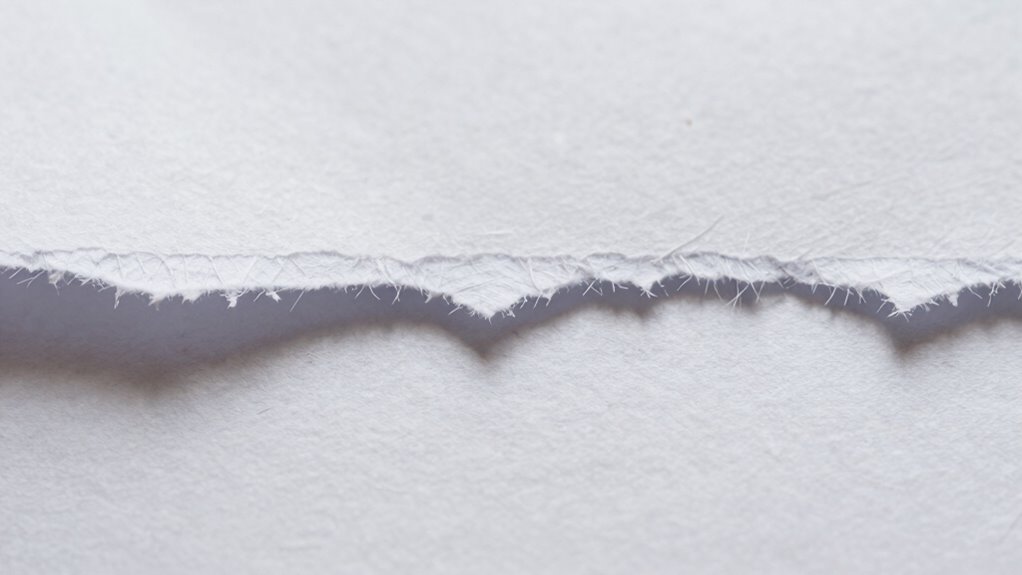
If you’ve ever noticed that cut edges of paper, fabric, or other materials appear fuzzy or frayed, you’re not alone. This fuzzy appearance is a common visual cue that something about the material’s structure has been altered during cutting. When you cut through delicate materials, the edges often seem rough or fuzzy because the fibers or molecules at the surface are disturbed or separated. This is especially noticeable with things like fabric, paper, or even fiber optics cables. Understanding why this fuzziness occurs helps you appreciate the significance of edge smoothing, a process used to improve the appearance and performance of cut materials.
Fuzzy edges indicate surface disturbance during cutting, highlighting the need for edge smoothing to improve appearance and durability.
In the case of fiber optics, for example, the edges of the glass or plastic fibers are often jagged or uneven right after cutting. These rough edges can cause signal loss or scattering of light, which is why edge smoothing becomes essential. Edge smoothing is a technique used to refine these sharp, uneven edges, creating a clean, smooth surface that enhances performance. When fiber optics are properly smoothed, the light transmission is more efficient, and the fiber’s integrity is maintained. Without this step, the fuzzy, frayed edges can lead to weak points that compromise the entire system.
For other materials like paper or fabric, the reason for fuzzy edges often lies in the way the material’s fibers are held together. Cutting severs these fibers, leaving them loose or frayed. When you see fuzzy edges, it’s a sign that the fibers haven’t been sealed or finished, which can make the material prone to further unraveling or damage. Edge smoothing methods, such as heat sealing or applying a finishing coating, help to secure these fibers in place, reducing fraying and giving the material a cleaner look. This process also improves durability and aesthetic appeal, especially in manufacturing or craft applications.
The same concepts apply whether you’re working with delicate textiles or high-tech fiber optics. The goal of edge smoothing is to eliminate the fuzzy fringe that can compromise both appearance and function. In fiber optics, smoothing ensures the light travels cleanly without scattering, while in fabrics and papers, it prevents fraying and enhances durability. Recognizing the cause of fuzzy edges helps you understand the importance of finishing techniques, which are integral to producing high-quality, clean-cut materials. Proper edge finishing techniques can make a significant difference in the longevity and performance of your materials. This is why understanding the fiber structure and how it is affected during cutting is crucial for achieving optimal results. When materials are cut without proper finishing, the resulting fuzzy edges can compromise both their appearance and functionality. So next time you see a fuzzy edge, remember that it’s simply a sign that the material’s surface needs a bit of refining to reach its full potential.
As an affiliate, we earn on qualifying purchases.
Frequently Asked Questions
Can Fuzzy Edges Be a Sign of Fabric Damage?
Yes, fuzzy edges can indicate fabric damage. When fabric fibers deteriorate over time, they often cause edge fraying, making the edges look fuzzy or blurry. This deterioration weakens the fabric’s structure, leading to more fraying and fuzziness. If you notice fuzzy edges, it’s a sign you should inspect the fabric for signs of fiber deterioration or edge fraying, which can worsen if left unaddressed.
Do Different Materials Show Fuzzy Edges Differently?
Different materials show fuzzy edges in unique ways, like a fingerprint’s distinct pattern. You’ll notice that fiber alignment and edge finishing influence this appearance. For example, tightly woven fabrics tend to have cleaner edges, while loosely woven or textured materials often display more fuzziness. Understanding these differences helps you identify fabric types and assess quality, as fuzzy edges are shaped by how fibers are aligned and finished at the edges.
How Can I Prevent Edges From Becoming Fuzzy?
To prevent edges from becoming fuzzy, focus on edge preservation techniques during editing or printing. Use sharp tools and high-resolution settings, guaranteeing your cuts are clean and precise. When working digitally, apply anti-aliasing carefully or disable it for sharper edges. Fuzz prevention also involves choosing the right materials and settings—avoid low-quality paper or blurry scans. Properly handling your materials and techniques ensures crisp, clear edges every time.
Are Fuzzy Edges a Sign of Poor Manufacturing?
Fuzzy edges often signal issues with manufacturing precision, not necessarily poor quality. Think of edge design as the frame of a masterpiece; if it’s blurry, the whole picture suffers. When manufacturing precision falters, cut edges can appear fuzzy, revealing flaws in the process. So, yes, fuzzy edges can be a sign of subpar manufacturing, but they also highlight areas for improvement. Ensuring high-quality edge design and tight manufacturing controls can keep edges crisp and clear.
Do Fuzzy Edges Affect the Durability of the Material?
Fuzzy edges can impact the durability of the material because fiber fraying weakens the edges, making them more prone to tearing or further damage. As fibers fray, the overall edge integrity diminishes, reducing the material’s strength and longevity. If you notice fuzzy edges, it’s a sign that the material might not hold up as well over time, especially under stress or frequent use.
As an affiliate, we earn on qualifying purchases.
Conclusion
Now that you know the secret behind fuzzy cut edges, you can see it’s like a smudged photograph—a blur hiding clarity. Understanding this hidden flaw empowers you to sharpen your edits and make those edges crisp as a fresh apple. Don’t let fuzzy lines be the ghost in your design machine; instead, wield your new knowledge like a sword, cutting through the confusion. With a little tweak, your edges will shine brighter than ever before.
As an affiliate, we earn on qualifying purchases.
edge sealing for delicate materials
As an affiliate, we earn on qualifying purchases.
As an affiliate, we earn on qualifying purchases.
Halloween Picks
halloween
As an affiliate, we earn on qualifying purchases.