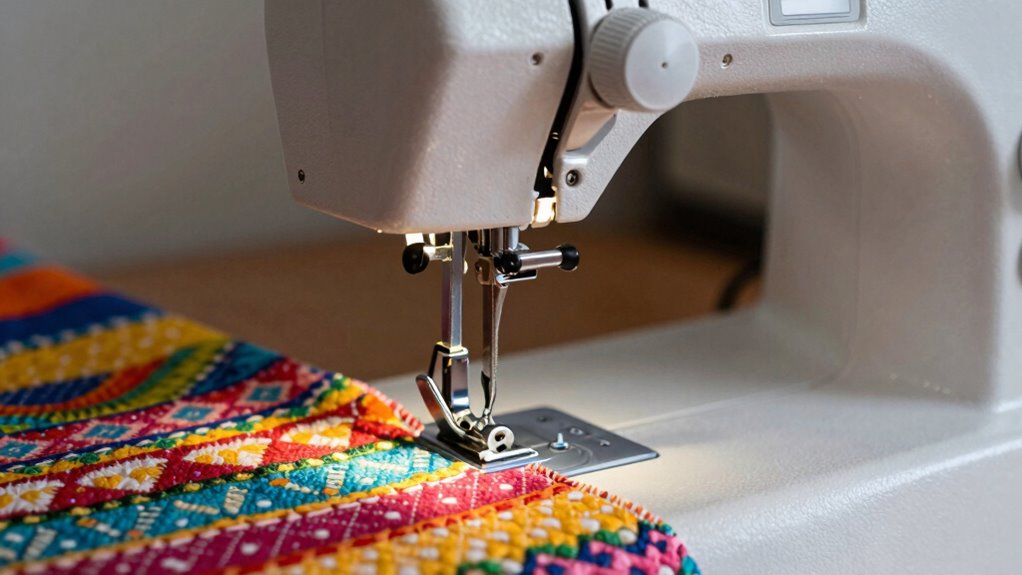
When choosing a quilting sewing machine, focus on features like adjustable thread tension, easy needle changing, and needle compatibility for different fabrics and threads. These guarantee your stitches stay balanced, professional, and smooth. A machine that handles various fabric types and allows quick adjustments helps you troubleshoot issues and improve results. If you keep exploring, you’ll discover even more ways to make your quilting projects flawless and enjoyable.

Get business pricing on tools and workshop supplies
- Business-only prices and quantity discounts
- Tax-exempt purchasing
- Multiple users, one account, clear invoices
Key Takeaways
- Adjustable thread tension controls for balanced, professional-looking stitches and easy troubleshooting.
- Compatibility with various needle types and sizes to handle diverse fabrics and threads.
- Quick-release needle mechanisms for efficient needle changes during projects.
- Reliable stitch quality, including decorative and quilting stitches, for precise and consistent results.
- Ease of use features like user-friendly tension adjustment and intuitive controls for beginners and experts.
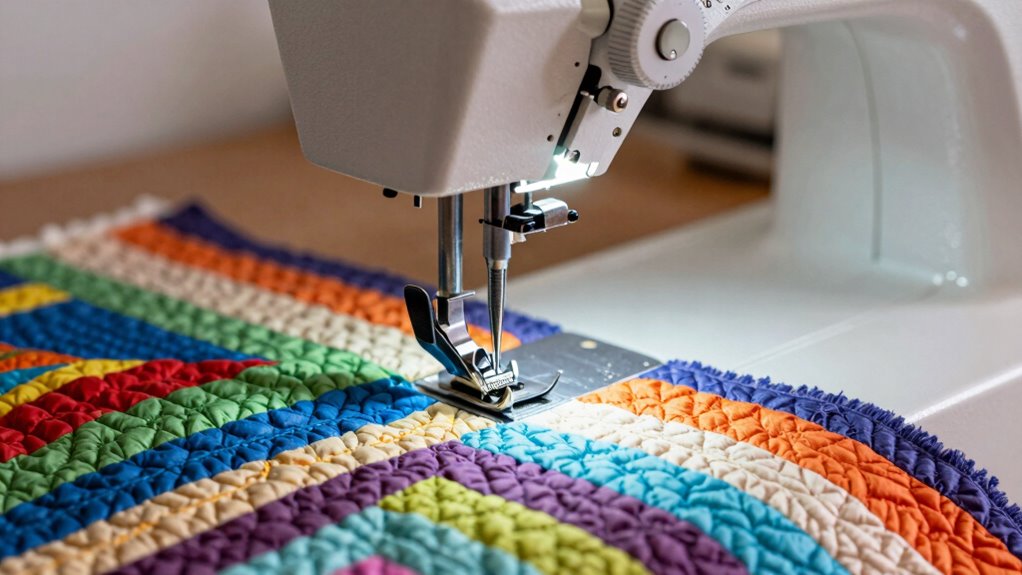
When choosing a quilting sewing machine, understanding the features that truly matter can make all the difference in your projects’ success. Two key aspects to consider are thread tension and needle compatibility. These features directly impact the quality of your stitches and the ease of your quilting process. Proper thread tension ensures that your stitches are balanced, with no puckering or loose loops. While some machines automatically adjust tension, others require manual setting. If you’re a beginner, a machine with easy-to-adjust tension controls can save you frustration. Knowing how to set the tension correctly means your quilt layers stay smoothly together, and your decorative stitches look professional. It’s worth investing time in understanding tension adjustment and testing different threads and fabrics to get a feel for how your machine responds. Additionally, understanding thread tension adjustment can help you troubleshoot common quilting issues more effectively. Being familiar with the correct tension settings for various fabrics can prevent many common problems and ensure consistent results.
Needle compatibility is equally important because using the right needle for your fabric and thread prevents skipped stitches, fabric damage, and thread breakage. Most quilting projects involve a variety of fabrics and thread types, so your machine should be compatible with a range of needles. Look for a model that accepts different needle sizes and styles, including quilting, universal, and microtex needles. A machine that easily accommodates these options gives you flexibility and reduces the risk of issues that can compromise your work. Also, check how simple it is to change needles—quick-release mechanisms are a bonus, especially when switching between different types during a single project. The combination of correct needle compatibility and precise thread tension allows you to produce clean, even stitches, which are essential for quilting. Additionally, choosing a machine with easy needle replacement can save you time and effort during your quilting sessions. Being aware of needle compatibility ensures your machine remains versatile for various fabric types and thread weights, further improving your quilting results. Proper needle selection and maintenance can extend the lifespan of your machine and improve your overall quilting experience.
quilting sewing machine with adjustable thread tension
As an affiliate, we earn on qualifying purchases.
As an affiliate, we earn on qualifying purchases.
Frequently Asked Questions
What Is the Best Budget Quilting Sewing Machine Available?
You should consider the Brother CS6000i as the best budget quilting sewing machine. It offers reliable thread tension control and easy bobbin winding, making quilting smoother. Its versatile features and affordable price make it great for beginners and budget-conscious quilters. Plus, the machine’s user-friendly interface helps you focus on your design without fussing over basic functions, ensuring you get professional-looking results without breaking the bank.
How Do I Maintain and Clean My Quilting Machine?
A stitch in time saves nine, and that’s true for your quilting machine, too. To maintain and clean it, regularly check thread tension and guarantee it’s balanced. Clean out lint and dust from the bobbin case and feed dogs, and replace needles frequently to prevent skipped stitches. Keep your machine covered when not in use, and follow the manufacturer’s oiling instructions to keep it running smoothly.
Can I Upgrade Parts of My Quilting Machine Later?
Yes, you can upgrade parts of your quilting machine later. For example, swapping out the presser foot or adjusting the stitch length can improve your quilting experience. Upgrading your presser foot might give you better fabric control, while customizing stitch length helps with precision. Just make certain compatibility with your machine model. These upgrades allow you to tailor your sewing setup to your evolving skills and project needs.
Which Quilting Machines Are Best for Beginners?
For beginners, look for a quilting machine with easy-to-adjust thread tension and versatile needle types. Machines like the Janome Memory Craft or Brother CS6000i are great options because they offer smooth operation, adjustable tension, and accommodate various needle sizes for different fabrics. These features help you focus on quilting rather than troubleshooting, making your learning curve smoother and more enjoyable.
How Much Space Do Quilting Machines Typically Require?
A quilting machine is like a trusty steed, requiring enough space to move freely. Typically, you’ll need a machine size that fits comfortably in your workspace, with about 8 to 10 square feet of space for operation and storage. Consider your room’s dimensions and make sure there’s room for fabric handling and maneuvering. Adequate space not only makes quilting easier but also helps prevent frustration or damage to your machine.
sewing machine compatible with quilting needles
As an affiliate, we earn on qualifying purchases.
As an affiliate, we earn on qualifying purchases.
Conclusion
So, now that you’ve got the scoop on what really matters in a quilting machine, go ahead and splurge on that fancy feature or two. After all, who needs simplicity when you can have the latest bells and whistles? Just remember, it’s not about the machine’s fancy tech—it’s about your creative genius. So, pick wisely, sew boldly, and let those stitches do all the talking (preferably without breaking the bank). Happy quilting!
easy needle change quilting machine
As an affiliate, we earn on qualifying purchases.
As an affiliate, we earn on qualifying purchases.
best quilting machine for beginners
As an affiliate, we earn on qualifying purchases.
As an affiliate, we earn on qualifying purchases.
Fall Picks
fall essentials
As an affiliate, we earn on qualifying purchases.