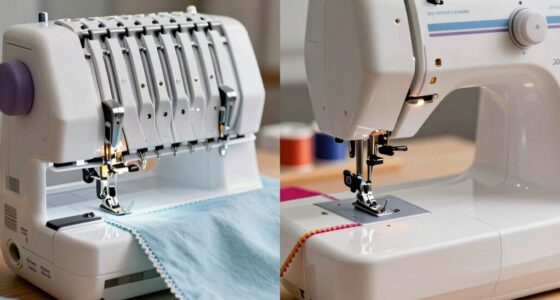

If you want professional-quality results at home, a pressing station is great if you have the space and do large, heavy-duty projects often. It provides consistent pressure and handles multiple layers well. However, if your routine involves quick touch-ups or limited space, a steam iron is more practical and portable. Consider your laundry needs, space, and ease of use to choose what suits you best — and there’s more to explore on each option below.

Get business pricing on tools and workshop supplies
- Business-only prices and quantity discounts
- Tax-exempt purchasing
- Multiple users, one account, clear invoices
Key Takeaways
- Choose a pressing station for professional results and handling large or heavy fabrics in a dedicated, spacious area.
- Opt for a steam iron for versatility, quick touch-ups, and limited space or casual ironing needs.
- Pressing stations consume more energy and require more space, suitable for extensive sewing or craft projects.
- Steam irons are portable, energy-efficient, and ideal for small spaces or occasional ironing tasks.
- Consider long-term costs, appliance longevity, and your laundry routine when selecting the best setup for home use.
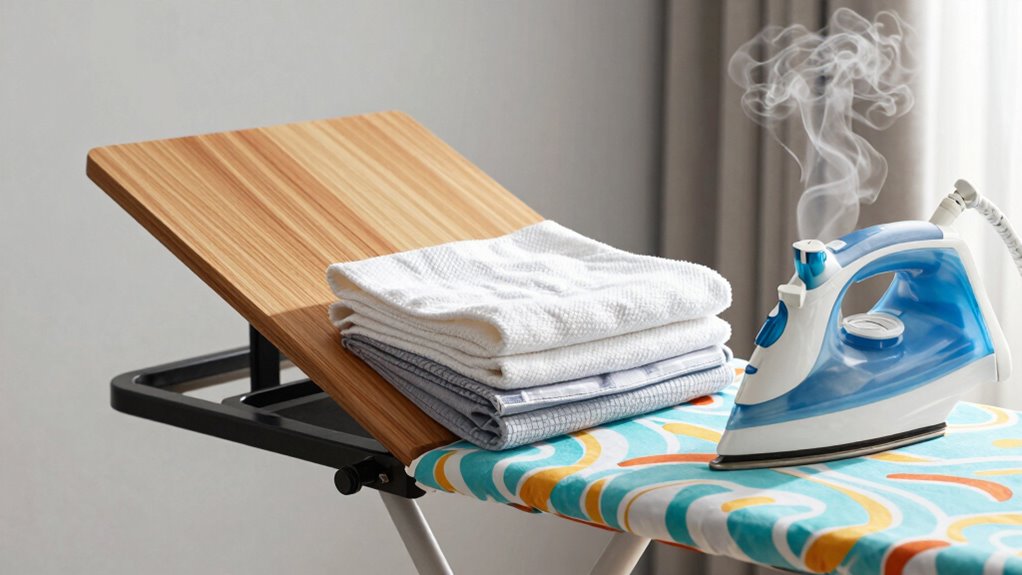
When deciding between a pressing station and a steam iron setup, understanding how each option fits your ironing needs can make a significant difference. Your choice depends largely on the types of fabric you frequently handle and your priorities around energy efficiency. A pressing station offers a dedicated, often larger surface area designed for pressing garments with precision. It’s ideal for sturdy or delicate fabric types that require a firm press, such as linen, cotton, or wool. Because pressing stations typically use a flat, heavy surface with a built-in heat source, you can apply consistent pressure and achieve crisp, professional-looking results. This makes them particularly useful for sewing projects or when you need to press multiple layers at once. On the other hand, a steam iron setup is more versatile and portable, making it suitable for everyday ironing of a variety of fabric types, from lightweight silk to heavier denim. Steam irons are easier to maneuver around buttons, pleats, and tricky areas, giving you flexibility and speed. When weighing energy efficiency, pressing stations tend to consume more power because they often operate continuously at high heat and pressure levels. If you’re concerned about electricity bills or environmental impact, this might be a point to think about. Conversely, steam irons generally use less energy, especially if you turn them off or unplug them when not in use, and they heat up quickly. This makes them a good choice for casual or infrequent ironing tasks. Additionally, fabric types can influence which setup is more effective, as some materials respond better to one method over the other. Proper storage solutions can also help maintain your appliances and prolong their lifespan, which is especially important in small kitchens or limited spaces. Investing in a quality steaming device can further enhance your ironing efficiency and results. Choosing the right ironing appliance can also impact your overall laundry routine, making tasks more efficient and less time-consuming. It’s also beneficial to consider the cost of operation, since different setups have varying long-term expenses. However, the decision also hinges on how much space you have and what your laundry routine looks like. If you have a dedicated sewing or craft space, investing in a pressing station can streamline your workflow and produce better results for heavy-duty projects. If you’re short on space or need something portable to handle quick touch-ups, a steam iron setup is more practical. Additionally, consider how often you’ll be ironing. If you regularly press large items or need professional results, the pressing station’s efficiency and consistency will serve you well. But if your ironing needs are occasional, a quality steam iron will suffice and save you money and space. Ultimately, understanding your fabric types and energy efficiency priorities will guide you to the setup that makes more sense at home. Both options have their merits, but aligning your choice with your specific needs ensures you’ll enjoy smoother, easier ironing sessions.
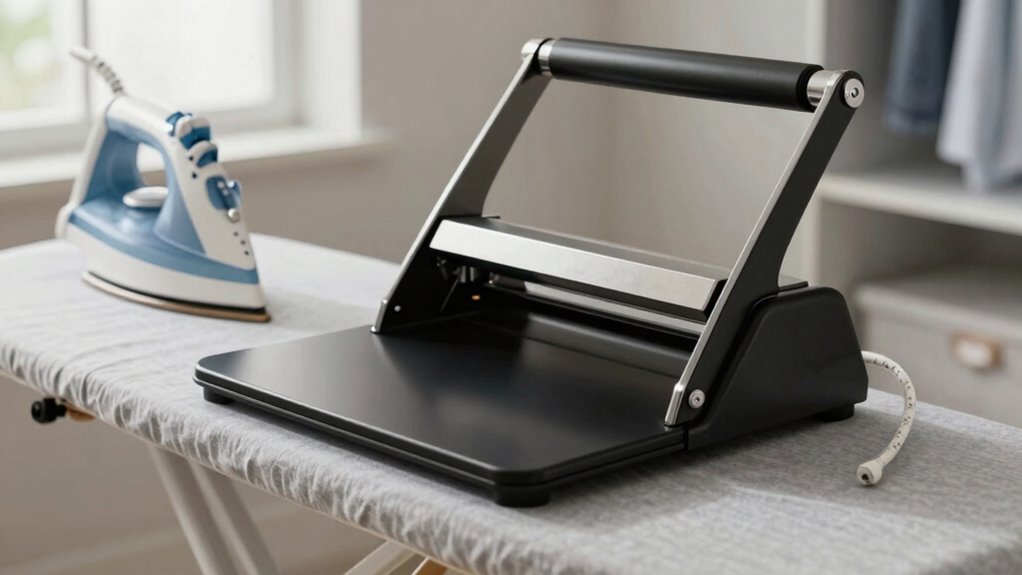
pressing station for professional ironing
As an affiliate, we earn on qualifying purchases.
As an affiliate, we earn on qualifying purchases.
Frequently Asked Questions
Which Setup Is More Energy-Efficient for Regular Household Use?
A pressing station is generally more energy-efficient for regular household use because it heats up quickly and retains consistent steam efficiency, especially with delicate fabrics like silk or wool. Unlike a steam iron, which requires frequent reheating, pressing stations use less energy over time. If you often work with various fabric types, a pressing station can save energy and make your ironing process more efficient.
How Do Maintenance Requirements Differ Between Pressing Stations and Steam Irons?
You might think pressing stations are harder to maintain, but they actually require less frequent cleaning since they have a dedicated soleplate that stays cleaner longer. Steam irons need regular descaling and soleplate wiping to prevent mineral build-up, especially if you use tap water. A pressing station’s larger water reservoir means fewer refills, but it still needs occasional descaling. Overall, steam irons demand more ongoing maintenance to keep them functioning smoothly.
Can a Pressing Station Handle Delicate Fabrics Better Than a Steam Iron?
A pressing station can handle delicate fabrics better than a steam iron because it offers superior heat regulation, reducing the risk of damage. Its controlled temperature settings help you match the fabric sensitivity, preventing scorching or burning. Plus, the consistent pressure and even heat distribution ensure gentle, effective pressing, making it a safer choice for delicate textiles compared to a steam iron, which may struggle with precise temperature control.
What Is the Typical Lifespan of Each Ironing Setup?
You can expect a pressing station to last around 10-15 years, depending on fabric types and storage solutions, as it’s built for durability. A steam iron typically lasts 3-5 years with regular use, especially if you handle delicate fabrics carefully and store it properly. Proper storage solutions protect both setups from damage, extending their lifespan. Regular maintenance and choosing quality models also help maximize longevity.
Are There Safety Concerns Unique to Pressing Stations or Steam Irons?
Think of your ironing setup like a busy kitchen; safety is key. With pressing stations, cord safety is essential—avoid tripping hazards, and keep cords away from water. Steam irons require careful storage to prevent burns or damage. Always unplug when not in use, and store cords properly. Being mindful of these safety concerns helps you prevent accidents and keeps your home safe and organized.
As an affiliate, we earn on qualifying purchases.
Conclusion
Imagine yourself standing in your laundry room, a crisp, freshly pressed shirt draping over your arm. The pressing station’s steady, heat-filled surface beckons with its promise of perfect creases, while the steam iron’s lively steam dances through fabric, smoothing out wrinkles with each glide. Both tools serve you well, but picture yourself in your daily routine—whether you prefer the steady, professional press or the quick, spirited steam. Choose what fits your moment, and enjoy that fresh, polished look every time.
large pressing station for sewing projects
As an affiliate, we earn on qualifying purchases.
As an affiliate, we earn on qualifying purchases.
As an affiliate, we earn on qualifying purchases.
Fall yard work Picks
leaf blowers
As an affiliate, we earn on qualifying purchases.