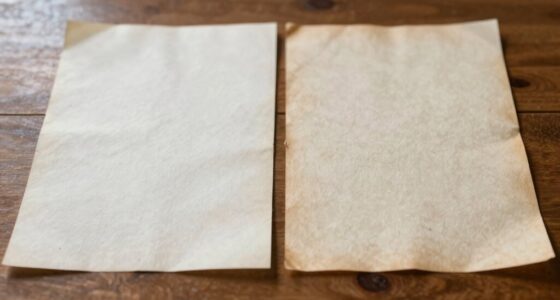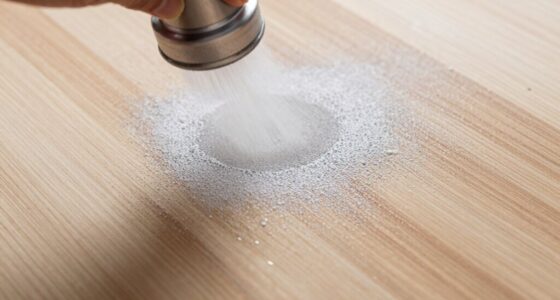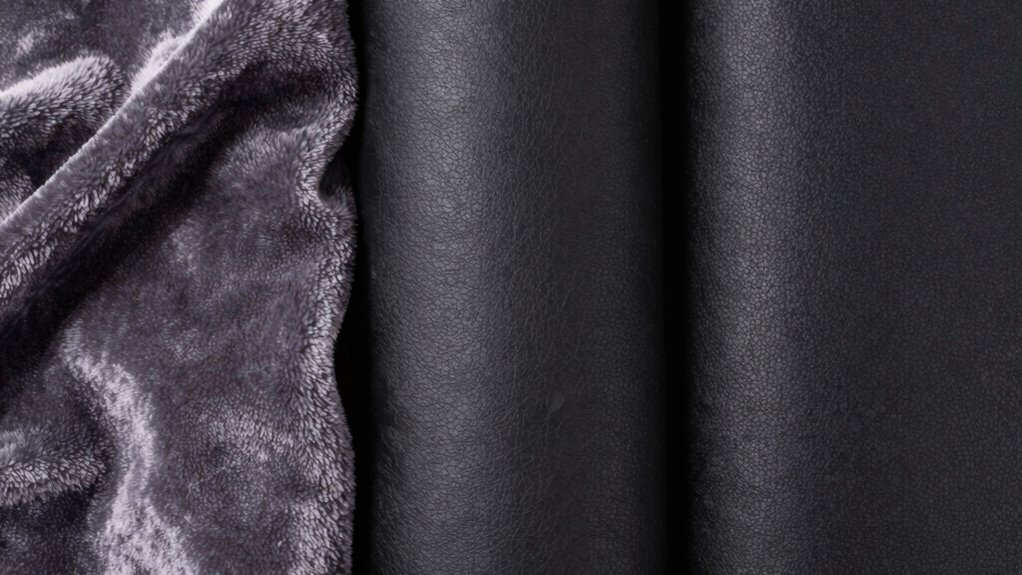

As a beginner, you might miss how soft materials feel inviting and comfortable but can wear out faster without careful choice, while firm fabrics offer support and stability but may sacrifice flexibility. Dense materials are thick, heavy, and highly resistant to damage, making them great for heavy-duty uses but harder to work with. Understanding these differences helps you select the right fabric for your project’s needs—keep exploring to learn more about each type.

Get business pricing on tools and workshop supplies
- Business-only prices and quantity discounts
- Tax-exempt purchasing
- Multiple users, one account, clear invoices
Key Takeaways
- Soft materials feel gentle and plush but may have lower durability if not carefully chosen.
- Firm materials provide structure and support but are less flexible and may reduce comfort.
- Dense materials have a tight weave, offering high durability and resistance to punctures, but are heavier and stiffer.
- Balancing softness with durability ensures longevity in projects like clothing and décor.
- Understanding material structure helps beginners select fabrics suitable for both comfort and long-lasting use.
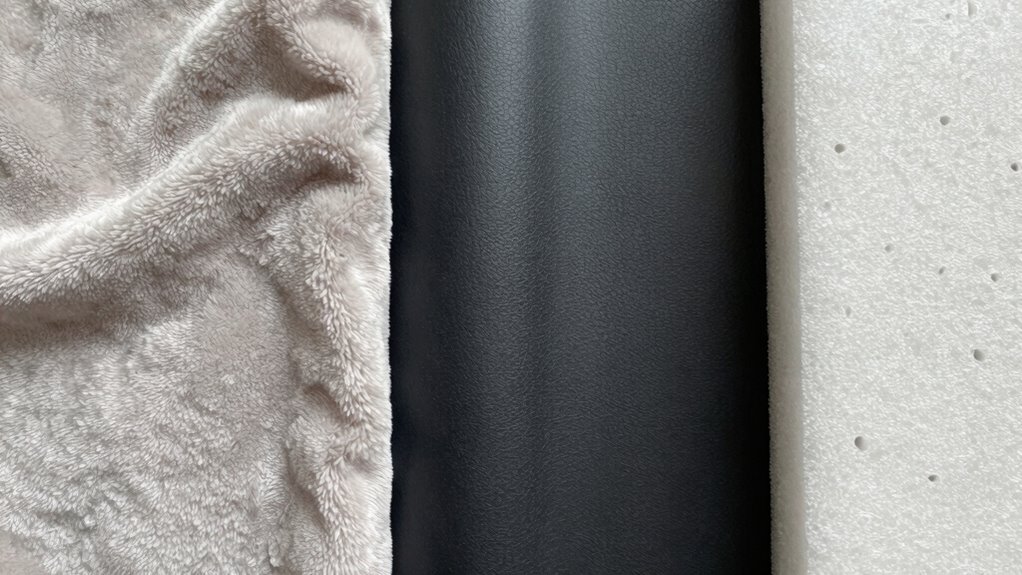
Ever wondered how different materials feel and perform? When you’re starting to explore various fabrics and materials, understanding the subtleties of fabric textures and material durability becomes essential. Soft, firm, and dense materials each have distinct characteristics that influence their suitability for different projects, but beginners often overlook these differences. Recognizing how these qualities affect usability can save you time, money, and frustration in the long run. Additionally, understanding fabric properties can help you select materials that balance comfort and durability for optimal results. Soft materials are inviting and comfortable, with a gentle touch that feels pleasant against your skin. Think of plush velvets, soft cottons, or silky fabrics—these are ideal for projects where comfort is key, like clothing or cozy home décor. But softness doesn’t necessarily mean weak or fragile. Some soft fabrics offer impressive material durability, standing up to regular use without losing their plush feel. Still, it’s vital to consider that extremely soft fabrics can sometimes be more susceptible to wear and tear if not chosen carefully. When evaluating fabric textures, you want to strike a balance between softness and durability to make sure your project lasts. Material properties and how they influence longevity are crucial considerations when selecting fabrics for different applications.
Firm materials have a more substantial feel. They offer structure and support, making them perfect for items that need to hold shape, such as upholstery or accessories. Firm fabrics tend to have a tighter weave or higher fiber density, which contributes to their sturdiness. As a beginner, you might notice that these materials are less pliable but provide excellent stability. Material durability plays a significant role here—firm fabrics often resist stretching or tearing better, which means your finished product is more likely to withstand daily use. Keep in mind, however, that while firmness provides strength, it can sometimes make the material less comfortable or flexible, so choose according to your project’s needs.
Dense materials are characterized by their high fiber content and close-knit structure, resulting in a thick, heavy feel. They’re often used for insulation, soundproofing, or heavy-duty applications. Dense fabrics are highly durable and resistant to punctures and abrasions, making them suitable for projects requiring longevity. As a beginner, you might be tempted to overlook dense materials because they can be more challenging to work with due to their weight and stiffness. But understanding how their density influences fabric textures and durability allows you to select the right material for the right purpose, ensuring your project stands the test of time. Learning about material density can help you make more informed choices, especially when durability is a priority.
In essence, mastering the differences between soft, firm, and dense materials involves paying close attention to both their tactile qualities and how well they hold up over time. Recognizing these nuances helps you make smarter choices, leading to better results and more satisfying creations.
As an affiliate, we earn on qualifying purchases.
Frequently Asked Questions
How Can I Tell if a Material Is Soft or Firm Just by Touch?
You can tell if a material is soft or firm through tactile assessment by gently pressing it with your fingers. Soft materials feel squishy and yield easily, while firm ones offer resistance but still give slightly. Use a texture comparison by feeling different spots or materials to gauge their firmness. Pay attention to how much pressure you need to leave a dent, which helps distinguish softness from firmness effectively.
Are Dense Materials Always More Durable Than Soft Ones?
Dense materials aren’t always more durable than soft ones because durability depends on material flexibility and surface texture. Dense materials can be more resistant to wear, but if they’re too rigid, they may crack or break under stress. Soft materials, with more flexibility, often absorb shocks better. So, consider the surface texture and flexibility, not just density, when evaluating durability for your project.
What Tools Can Help Measure Material Density Accurately?
To measure material density accurately, you can use tools like a digital scale for weight and a caliper or ruler for volume, then perform material testing to get precise results. Density measurement involves calculating the ratio of mass to volume. For more advanced accuracy, consider a hydrostatic testing device or a laboratory densitometer. These tools give you reliable data, helping you distinguish between soft, firm, and dense materials effectively.
Do Different Industries Prefer Specific Material Firmness Levels?
Sure, because everyone loves a good material debate, right? Different industries definitely prefer specific material firmness levels—like soft for plush furniture, firm for structural components, and dense for high-strength applications. Industry preferences drive material classification, ensuring the right firmness suits the job. Whether you’re in construction, textiles, or manufacturing, knowing these nuances helps you pick the perfect material to meet your industry’s standards—no matter how picky they are.
Can Soft Materials Become Firmer Over Time?
Yes, soft materials can become firmer over time due to changes in material elasticity and surface texture. Repeated use or pressure can cause materials to stiffen as they adapt to their environment. For example, soft rubber or foam might develop a more rigid surface texture, reducing their initial softness. This process varies depending on the material’s composition, but generally, ongoing stress can lead to increased firmness over time.
As an affiliate, we earn on qualifying purchases.
Conclusion
Understanding the differences between soft, firm, and dense materials isn’t just about feel—it’s about knowing how each reacts under pressure and what that means for your project. Some believe that softer materials are always easier to work with, but that’s not true; they can be less durable. It’s a common misconception that denser always means better quality, but it really depends on your specific needs. Testing your materials helps confirm what works best for you, proving that experience and observation trump theory every time.
As an affiliate, we earn on qualifying purchases.
durable cotton fabric for clothing
As an affiliate, we earn on qualifying purchases.
As an affiliate, we earn on qualifying purchases.
Fall Picks
fall essentials
As an affiliate, we earn on qualifying purchases.