
When choosing a planer and jointer without building a full cabinet shop, focus on models that offer easy blade replacement and adjustment features for precise, smooth cuts. Prioritize tools with sharp, durable blades to guarantee clean finishes and extend lifespan. Look for equipment with straightforward maintenance routines, including quick-change blades and reliable alignment. Keeping an eye on these aspects helps you achieve professional results and simplify your workflow—stay with us to discover how to select the best tools for your needs.

Get business pricing on tools and workshop supplies
- Business-only prices and quantity discounts
- Tax-exempt purchasing
- Multiple users, one account, clear invoices
Key Takeaways
- Prioritize models with easy blade replacement and adjustable blades for precise, smooth cuts.
- Select machinery with straightforward maintenance routines to extend blade lifespan and ensure consistent performance.
- Focus on equipment with user-friendly alignment and adjustment features for accurate, high-quality results.
- Opt for portable, space-efficient planers and jointers suitable for small workshops or DIY setups.
- Choose durable, high-quality blades that are easy to sharpen or replace to maintain optimal cutting performance.
Are you unsure how to choose the right planer and jointer for your woodworking projects? If so, you’re not alone. Picking the right tools can feel overwhelming, especially when you’re balancing quality with practicality. One of the most critical factors to consider is blade sharpness. Dull blades can cause rough cuts, tear-out, and uneven surfaces, which can ruin your project. Sharp blades, on the other hand, produce cleaner, smoother finishes and reduce the amount of effort needed to feed material through the machine. When evaluating planers and jointers, look for models that allow easy blade replacement or sharpening. Some machines have quick-change blades, making maintenance straightforward and minimizing downtime. Remember, investing in high-quality, durable blades can save you time and frustration in the long run. Additionally, it’s beneficial to research blade maintenance practices to prolong their effectiveness and ensure optimal performance. Proper blade alignment is also crucial for achieving precise cuts and smooth surfaces, so make sure to consider this feature when selecting your equipment. Ensuring your machine has easy blade replacement options can significantly reduce downtime and keep your workflow smooth. Regularly checking blade sharpness can further ensure consistent results and extend the lifespan of your blades. Incorporating routine blade checks into your maintenance routine can help catch issues early and maintain optimal cutting quality.
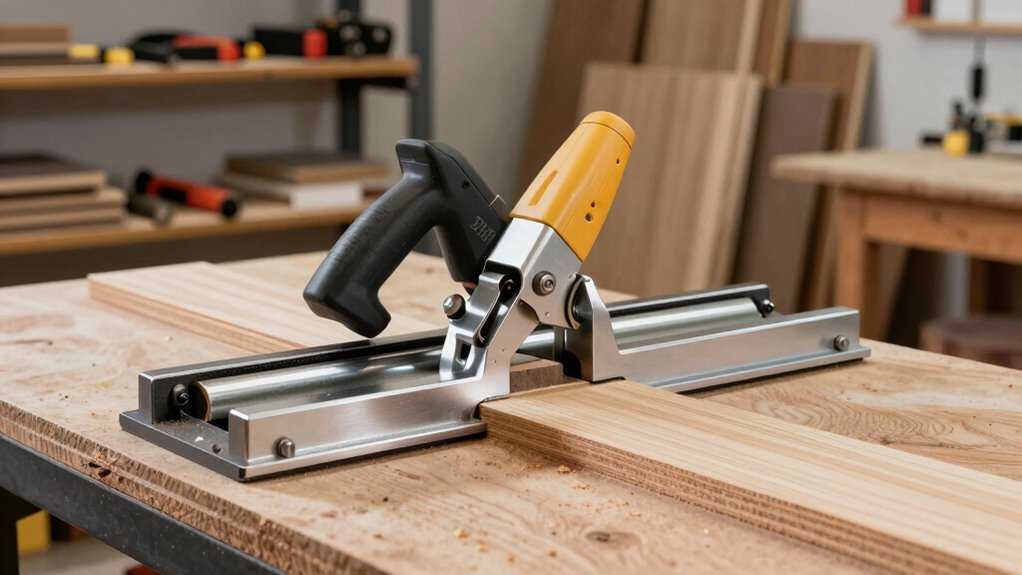
electric planer with quick blade change
As an affiliate, we earn on qualifying purchases.
As an affiliate, we earn on qualifying purchases.
Frequently Asked Questions
What Is the Ideal Size for a Planer and Jointer in Small Workshops?
In small workshops, aim for a planer and jointer around 12 to 13 inches in width. This size balances workspace constraints and functionality, letting you handle most projects efficiently. Consider your workshop space carefully—larger machines need more room. Budget is also key; opt for models that offer good performance without overspending. A versatile, compact size helps maximize your limited space while still delivering quality results.
How Do I Maintain and Troubleshoot a Planer or Jointer?
To maintain your planer or jointer, regularly sharpen blades to guarantee smooth cuts and prevent tear-out. Keep blades sharp with proper blade sharpening techniques or replacement when needed. Check and clean dust collection systems often to prevent buildup that could clog machinery or impair performance. Additionally, inspect belts and bearings periodically, lubricate moving parts, and align blades and tables to ensure precision and extend your equipment’s lifespan.
Can I Use a Combination Machine Instead of Separate Tools?
Yes, you can use a combination machine instead of separate tools. These multi-tool versatility options save space and are ideal for small workshops. They often feature jointer and planer functions, allowing you to perform essential woodworking tasks without clutter. While they might not match the capacity of dedicated machines, they offer a practical, space-saving solution for hobbyists and those with limited space, making your workflow more efficient.
What Safety Precautions Should I Follow When Using These Machines?
Did you know that proper safety precautions can reduce woodworking accidents by up to 70%? When using planers and jointers, always wear safety gear like goggles and ear protection. Keep dust collection systems running to prevent inhaling harmful dust, and never remove safety guards. Stay alert, avoid loose clothing, and make certain your workspace is clear. Following these safety tips keeps you safe while enjoying your woodworking projects.
How Do I Determine the Best Power Source for My Planer and Jointer?
You determine the best power source for your planer and jointer by considering your workshop’s electrical setup and dust collection system. Check if your machines are compatible with your existing outlets or require special wiring. Guarantee proper machine calibration for safety and efficiency. If dust collection is essential, opt for a power source that supports a dust extraction system, reducing airborne particles and maintaining a cleaner, safer workspace.
As an affiliate, we earn on qualifying purchases.
Conclusion
Choosing a planer and jointer is like finding the perfect brush for your artistic masterpiece—each tool shapes your vision with precision and grace. With careful selection, you’ll wield these machines like a maestro, transforming rough timber into smooth symphonies of wood. Remember, the right tools don’t just make work easier—they elevate your craftsmanship, turning humble planks into works of art. Embrace the journey, and let your workshop become a sanctuary of creation.
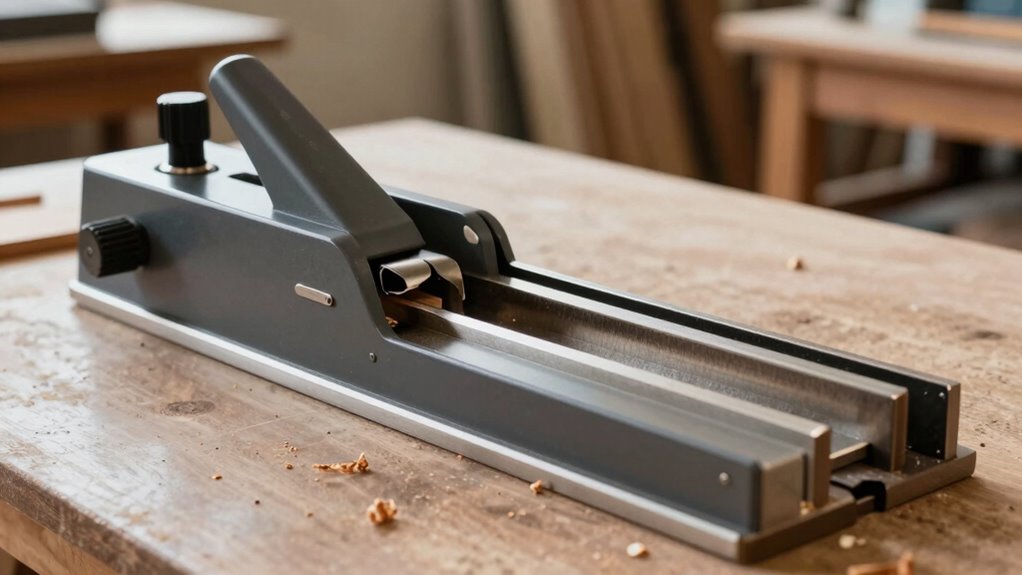
compact portable planer for small workshops
As an affiliate, we earn on qualifying purchases.
As an affiliate, we earn on qualifying purchases.
high-quality woodworking jointer blades
As an affiliate, we earn on qualifying purchases.
As an affiliate, we earn on qualifying purchases.
Halloween Picks
halloween
As an affiliate, we earn on qualifying purchases.