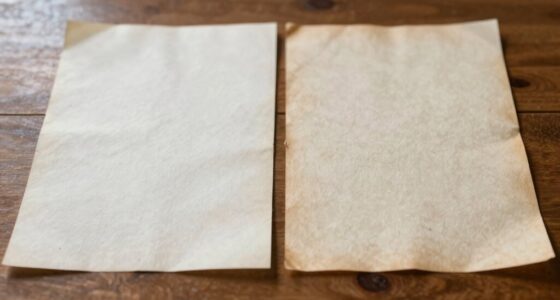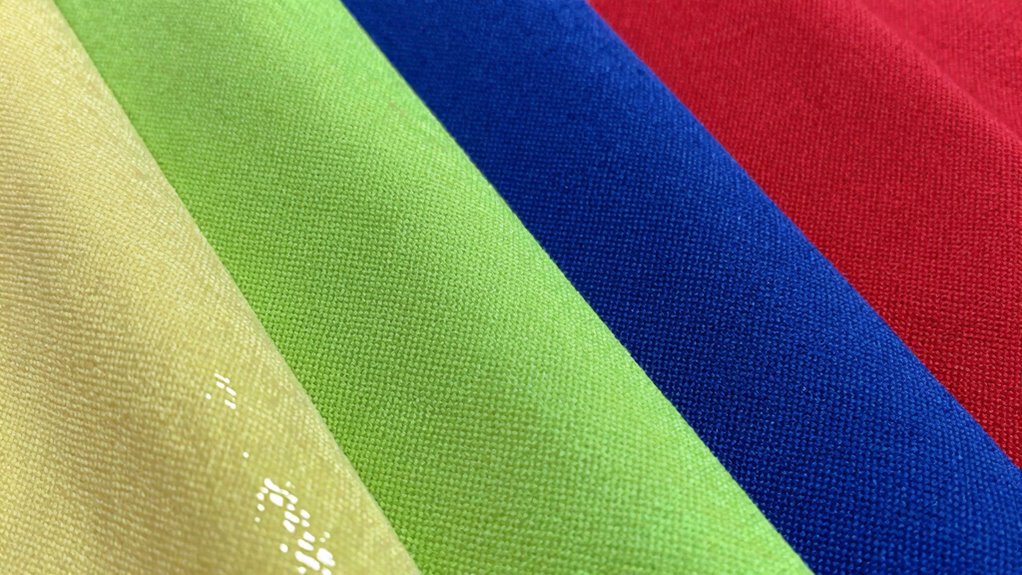

Understanding the difference between dyes and pigments helps guarantee your crafts last longer. Dyes penetrate fibers and bond for vibrant, deep colors that can fade over time, especially with exposure to light and water. Pigments settle on surfaces, creating opaque finishes that are more resistant to fading and weather damage. Choosing the right colorant depends on your project and material. Keep exploring to discover how to maximize durability and color brilliance in your crafts.

Get business pricing on tools and workshop supplies
- Business-only prices and quantity discounts
- Tax-exempt purchasing
- Multiple users, one account, clear invoices
Key Takeaways
- Dyes penetrate fibers to create vibrant, transparent colors, while pigments settle on surfaces for opaque, durable finishes.
- Dyes bond chemically or physically with materials, ensuring long-lasting color, whereas pigments form protective surface layers.
- Pigments offer superior resistance to fading, weather, and chemicals, making them ideal for outdoor and high-wear craft applications.
- Dyes are preferred for porous materials like fabrics and paper, providing deep, even coloration with luminosity.
- Proper selection between dyes and pigments depends on material type, desired durability, and environmental exposure for craft longevity.
As an affiliate, we earn on qualifying purchases.
The Fundamental Differences Between Dyes and Pigments

The fundamental difference between dyes and pigments lies in how they interact with materials. Dyes are soluble chemicals that form chemical interactions with fibers or surfaces, allowing them to penetrate and bond tightly within the material. This results in vibrant, uniform colors that are often transparent. In contrast, pigments are insoluble particles that sit on the surface, creating color through light reflection rather than absorption. Their manufacturing processes involve grinding and coating, producing stable, opaque colors. Because of these differences, dyes are preferred for materials where deep, even coloration is desired, like fabrics and paper. Additionally, the choice between dyes and pigments can influence the color stability of the finished product, especially in applications exposed to environmental factors. The lightfastness of pigments generally surpasses that of dyes, making them more suitable for outdoor or long-term use. Pigments, on the other hand, are ideal for surfaces requiring durability and opacity, such as paints and plastics. Furthermore, selecting the right coloring agent can impact the application longevity and overall appearance of your craft projects. Understanding these distinctions helps you choose the right coloring agents for your specific project, especially when considering sustainable and secure solutions in material applications. Moreover, considering the environmental impact of your coloring agents can lead to more eco-friendly and sustainable crafting practices.
weather resistant acrylic pigments
As an affiliate, we earn on qualifying purchases.
As an affiliate, we earn on qualifying purchases.
How Dyes Penetrate and Color Materials
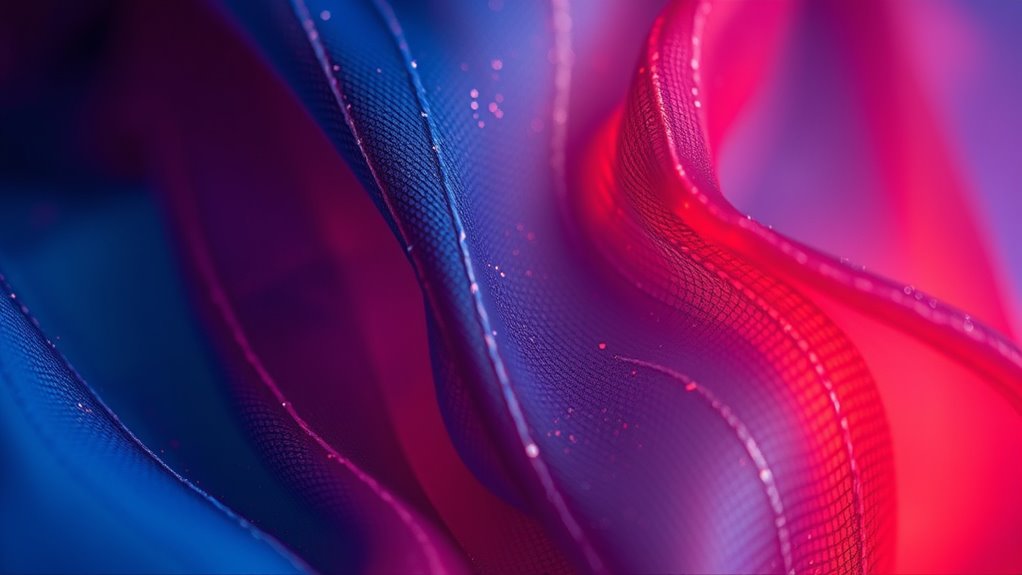
You can see how dyes penetrate materials by moving into the fibers, with the depth of this penetration affecting the color’s vibrancy and durability. The bonding process is key, as dyes form chemical or physical connections with the fibers, ensuring the color sticks well. Understanding these dynamics helps you choose the right dye for the desired effect and longevity. Additionally, the colorfastness of a dye depends on its ability to resist fading after washing or exposure to light. Factors like fiber type and dye formulation also influence how well the color endures over time. Moreover, employing natural filtration methods in eco-friendly pools can help maintain water quality without chemicals, supporting sustainable backyard practices. Recognizing the application techniques used can further enhance the dye’s performance and longevity, especially when understanding the chemical interactions involved in dyeing processes.
Penetration Depth Dynamics
Dyes penetrate materials by diffusing into their internal structures, resulting in vibrant, translucent colors. This process relies on molecular diffusion, where dye molecules move through the material’s pores, and surface adhesion, which helps the dye stick once inside. The depth of penetration depends on factors like porosity and affinity for the substrate. Materials with open structures allow deeper dye infiltration, producing more uniform coloration. Conversely, less porous surfaces limit diffusion, resulting in surface-level staining. Understanding these dynamics enables you to control the saturation and longevity of your craft. Use the table below to compare how different materials influence dye penetration:
| Material Type | Penetration Depth | Surface Adhesion |
|---|---|---|
| Cotton | Deep | Strong |
| Leather | Moderate | Moderate |
| Nylon | Shallow | Weak |
Bonding With Fibers
Understanding how dyes bond with fibers is essential for achieving vibrant and lasting colors. When you dye materials, fiber adhesion plays a vital role, guaranteeing the color stays put through multiple washes and wear. Dyes typically penetrate the fiber surface through chemical bonding, where they form molecular links with fiber molecules. This process allows dyes to create a strong, durable bond that enhances colorfastness. The effectiveness of this bonding depends on the fiber type and dye chemistry; some fibers, like wool and silk, naturally promote better chemical bonding. Additionally, the net worth of a dye brand can influence the quality and longevity of the color achieved. Recognizing the fiber chemistry involved can help you select the right dye and process to maximize color intensity and longevity. Proper bonding not only improves appearance but also ensures your crafts remain vibrant over time, especially when considering factors like dye molecule size and its ability to penetrate different fibers.
As an affiliate, we earn on qualifying purchases.
The Surface-Settling Nature of Pigments

Unlike dyes, pigments tend to settle on the surface of a material rather than penetrate deeply into it. This surface settling creates distinct pigment layers that stay on top, forming a protective barrier. These layers can enhance durability, preventing the pigment from washing out or fading easily. Because pigments sit on the surface, they often provide a more opaque finish, making colors appear richer and more vibrant. Additionally, this surface behavior influences how pigments respond to environmental factors such as light and moisture, which can affect their longevity. The surface properties of pigments also determine how well they adhere to different substrates, impacting the overall finish of a craft. However, this surface accumulation also means that pigments are more prone to wear and scratching if not properly sealed or protected. You’ll notice that the thickness and distribution of these pigment layers influence the texture and longevity of your craft. Understanding this surface behavior helps you choose the right pigment for projects requiring durability or a particular visual effect. Additionally, the surface settling characteristic of pigments contributes to their ability to create textured and layered visual effects in various art forms.
As an affiliate, we earn on qualifying purchases.
Brightness and Transparency in Coloring
Because pigments settle on the surface, they often create opaque, vibrant finishes that can obscure underlying details. This opacity enhances color vibrancy, making colors appear richer and more intense. However, it can also limit transparency, preventing you from seeing through layers or revealing subtle textures beneath. Pigments generally offer high lightfastness, ensuring that their brightness stays consistent over time without fading, even in sunlight. This durability makes pigments ideal for projects requiring long-lasting color and resilience. Dyes, on the other hand, tend to be more transparent, allowing light to pass through and highlight underlying layers, which can add depth and luminosity. If you want bright, long-lasting colors with bold vibrancy, pigments are your best choice. But for delicate, transparent effects, dyes may serve your craft better, provided lightfastness isn’t your primary concern. Lightfastness is a key factor in determining how well color holds up over time under exposure to light. Understanding the color science behind pigments and dyes can help you select the most suitable option for your project.
Durability and Resistance to Fading

When considering durability, you need to think about how well the color holds up over time. Resistance to environmental factors like sunlight, moisture, and chemicals can make or break a pigment’s longevity. Understanding these aspects helps you choose the right coloring method for lasting vibrancy. Additionally, the lightfastness of a pigment plays a crucial role in how well the color resists fading when exposed to light over extended periods. A chemical stability assessment can further inform your choice, ensuring the color remains intact despite exposure to various substances. Proper formulation and material compatibility are also key factors in maintaining color integrity over time. Considering UV resistance can provide further assurance of how well a pigment will withstand prolonged sunlight exposure. Incorporating test results can give you more confidence in the durability of your chosen pigment.
Color Fastness Over Time
Color fastness over time determines how well dyes and pigments resist fading when exposed to environmental factors like light, washing, and weathering. Your goal is to maintain vibrant, durable colors. Consider these factors:
- UV rays breaking down color molecules, causing dullness.
- Frequent washing weakening dye bonds, leading to fading.
- Exposure to moisture promoting color leaching.
- Sun and weathering degrading pigment stability.
High color stability ensures your crafts keep their original vibrancy longer. Fading resistance is essential for preserving the aesthetic appeal over time. Whether you select dyes or pigments, understanding their capacity for lasting color helps you craft pieces that withstand daily wear and environmental challenges. Ultimately, choosing the right colorfast material guarantees your work remains bright and beautiful for years to come.
Resistance to Environmental Factors
Understanding how dyes and pigments stand up to environmental factors helps you choose the right option for lasting results. Pigments generally excel in chemical stability and weather resistance, making them ideal for outdoor crafts. Dyes, on the other hand, are more susceptible to fading when exposed to sunlight and moisture. Consider the following comparison:
| Factor | Dyes | Pigments |
|---|---|---|
| Chemical Stability | Lower, prone to breakdown | Higher, resistant to chemicals |
| Weather Resistance | Less resistant, fade easily | Very resistant, color lasts |
| UV Fading | Significant fading over time | Minimal fading |
| Moisture Resistance | Can wash out or fade | Remains vibrant |
| Longevity | Shorter lifespan | Longer-lasting results |
Choose pigments for durability in harsh environments, and dyes for vibrant indoor applications.
Suitable Applications for Dyes and Pigments

Dyes and pigments serve distinct roles based on their properties, making them suitable for different applications. Dyes are ideal for textiles, where their ability to bond with fibers creates vibrant, long-lasting colors. Historically, dyes have held cultural significance, symbolizing status or tradition in various societies. Pigments, on the other hand, are perfect for paints and coatings, offering durability and opacity. Imagine:
- Dyes coloring ancient fabrics, revealing cultural stories.
- Pigments creating murals that withstand centuries.
- Dyes used in traditional ceremonies, embodying history.
- Pigments painting artworks that last through time.
Knowing their applications helps you choose the right colorant for your craft, whether you’re replicating historical textiles or creating lasting artworks. This understanding ensures your projects not only look beautiful but also endure the test of time.
Making the Right Choice for Your Craft Projects

Choosing the right coloring agent for your craft projects depends on several key factors, including the material you’re working with, the desired durability, and the finish you want to achieve. Dyes excel in vibrant color mixing and suit porous surfaces, while pigments provide more resistance and a matte finish. To optimize results, consider application techniques like layering or blending colors. Use the table below to guide your choice:
| Material | Best for | Application Technique |
|---|---|---|
| Fabric | Dyes for vivid hues | Wet-on-wet blending |
| Ceramics/Glass | Pigments for durability | Powder mixing or glazing |
| Paper | Both, depending on effect | Light washes or thick coats |
Matching the agent to your project guarantees lasting, beautiful results.
Frequently Asked Questions
How Do Dyes and Pigments Differ in Environmental Impact?
You should know that dyes generally have a higher environmental impact because they often contain chemicals that aren’t eco-friendly and can be less biodegradable. Pigments tend to be more environmentally friendly, offering better biodegradability differences and fewer toxic components. If you’re aiming for eco-friendly alternatives, choose pigments; they’re less harmful, easier to dispose of, and help reduce pollution, making your crafts more sustainable and environmentally responsible.
Can Dyes and Pigments Be Combined for Unique Effects?
Yes, you can combine dyes and pigments for unique effects. When you blend colors, it creates interesting shades through color blending, adding depth to your craft. Use effect layering by applying dyes first for vibrant transparency, then overlay pigments for texture and opacity. This approach allows you to experiment with different visual styles, making your crafts stand out with dynamic, personalized colors.
What Are the Health Risks Associated With Each Coloring Method?
You need to be aware of health safety risks with dyes and pigments. Dyes, especially liquid types, can cause skin irritation or allergic reactions if they come into contact with your skin. Pigments tend to be safer but may still contain heavy metals or toxic chemicals. Always wear gloves and work in well-ventilated areas to minimize risks. Check labels and choose non-toxic options whenever possible for safer crafting.
How Do Cost and Availability Influence Choice Between Dyes and Pigments?
Choosing between dyes and pigments is like picking between different seeds—you’ll want the best fit for your garden. Cost considerations and availability factors heavily influence your decision; dyes are typically cheaper and easier to find, making them popular for quick projects. However, pigments often cost more but offer durability and vibrant colors. Your budget and access to materials will guide you toward the best option for your craft needs.
Are There Innovative New Materials Blending Dye and Pigment Properties?
You’ll find that biotech innovations and nano material advancements are creating new materials that blend dye and pigment properties. These cutting-edge innovations enable you to achieve vibrant, durable colors with improved stability and environmental friendliness. As these technologies evolve, you can expect more versatile, long-lasting craft materials that combine the best qualities of dyes and pigments, making your projects more vibrant and resilient than ever before.
Conclusion
Choosing between dyes and pigments is like picking the perfect brush for your masterpiece—you want what makes your craft truly shine. Remember, dyes seep deep for vibrant, transparent color, while pigments sit proudly on the surface, offering durability. By understanding their differences, you can craft with confidence, ensuring your projects not only look stunning but stand the test of time. So, which will you choose to bring your creative vision to life? The choice is yours.
Fall yard work Picks
leaf blowers
As an affiliate, we earn on qualifying purchases.