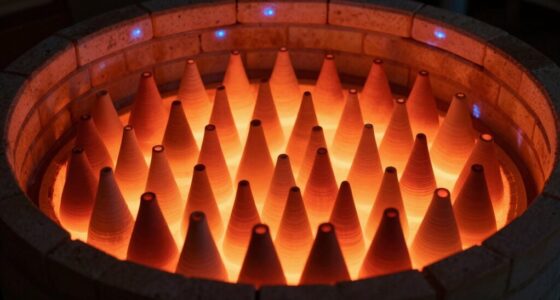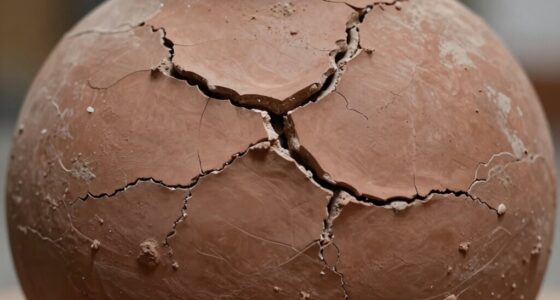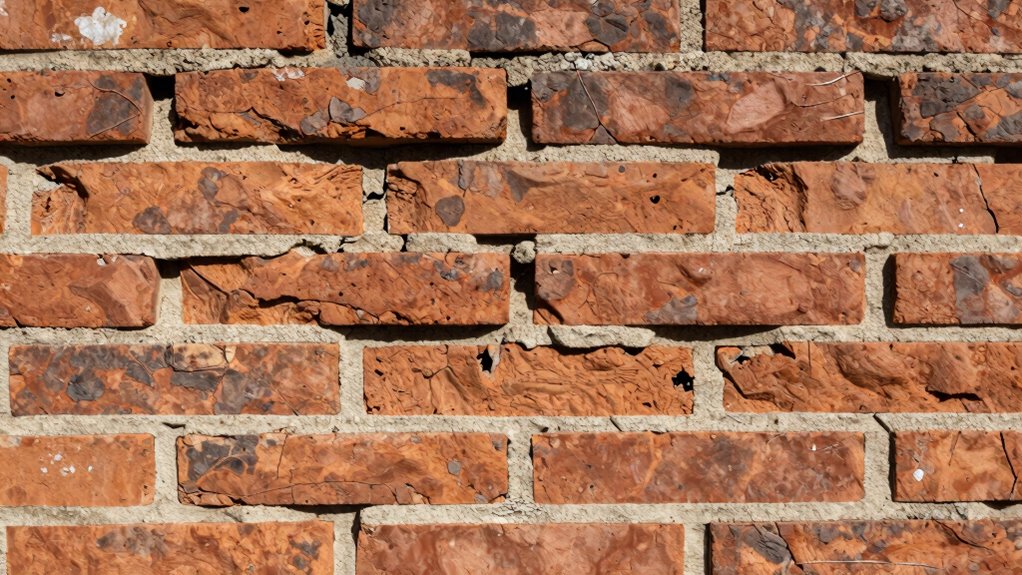

Uneven wall thickness weakens your structure more than you might realize by creating stress points and increasing the risk of cracks or failure. Thinner sections expand differently during temperature changes, causing warping or damage over time. These inconsistencies also lead to uneven load distribution, making the structure less stable and more prone to deterioration. If you want to understand how these hidden issues can affect your project, keep exploring the details behind this problem.
Listen free for 30 days with Audible
Thousands of audiobooks and originals — cancel anytime.
As an affiliate, we earn on qualifying purchases.
Key Takeaways
- Uneven wall thickness creates weak spots that can lead to localized failures under stress.
- Variations in thickness cause uneven material expansion, increasing internal stresses and cracking risks.
- Inconsistent walls disrupt proper load distribution, risking structural instability or failure.
- Small flaws in wall thickness can accelerate fatigue and long-term deterioration of the structure.
- Poor quality control of wall uniformity undermines overall safety, durability, and longevity of the structure.
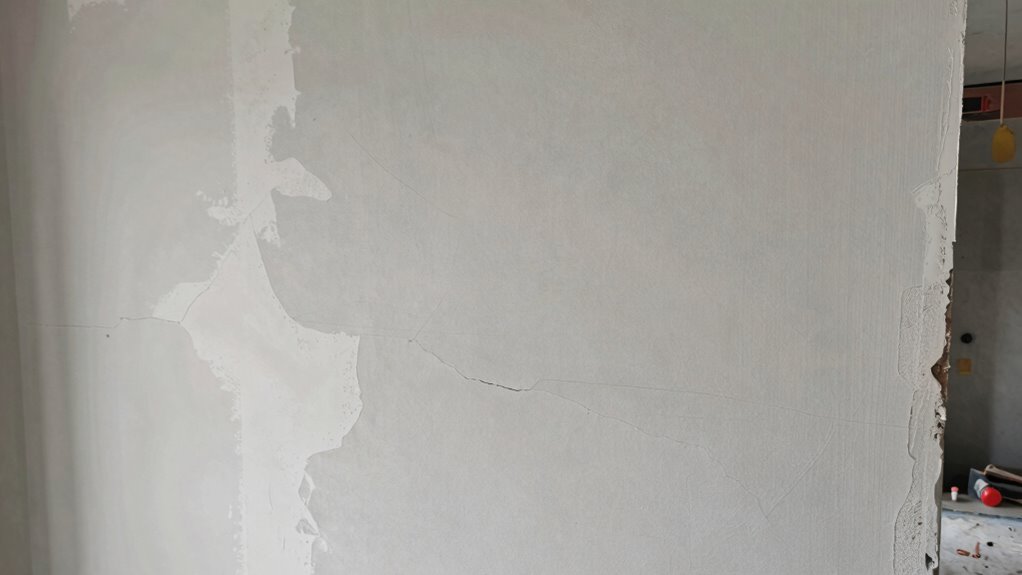
Uneven wall thickness in manufacturing or construction can lead to serious problems, affecting the strength, durability, and overall quality of a product or structure. When walls aren’t uniformly thick, it creates weak spots that compromise the integrity of the entire piece. These inconsistencies often stem from manufacturing processes that don’t control material flow or from construction techniques that overlook precise measurements. Whatever the cause, the consequences are significant, especially when you consider how material expansion and structural stress come into play.
Material expansion is a vital factor here. When the wall thickness varies, different parts of the structure expand at different rates, especially under temperature changes. Thinner sections tend to expand more quickly, while thicker areas do so more slowly. This uneven expansion puts additional stress on the structure, which it wasn’t designed to handle. Over time, this can lead to cracking, warping, or even catastrophic failure. You might notice small cracks forming in the thinner sections, but these small issues can quickly escalate if the uneven wall thickness persists. Additionally, inconsistent wall thickness can hinder proper material flow, leading to further manufacturing defects. Proper control during the manufacturing process is essential to prevent these variations from occurring in the first place.
Structural stress is another major concern. When certain areas of a wall are thicker than others, the load distribution becomes uneven. This means some sections bear more weight than they’re supposed to, creating localized stress points. These stress concentrations weaken the wall’s overall stability and make it more susceptible to damage under pressure or load. In a building, for example, uneven wall thickness can cause parts of the structure to bow or shift, risking safety and increasing maintenance costs. In manufacturing, it can lead to product failure during use, especially if the product is subjected to mechanical stress or environmental factors.
You may also underestimate how these problems compound over time. Small imperfections in wall thickness might seem minor initially, but with ongoing material expansion and repeated loading, they can lead to fatigue failure. This failure isn’t just about immediate breakage; it’s about the gradual deterioration of material properties, which eventually results in complete structural collapse. The importance of consistent manufacturing quality control cannot be overstated in preventing these issues. Ensuring uniform wall thickness minimizes material expansion disparities and distributes structural stress evenly, maintaining strength and durability.
In the end, uneven wall thickness isn’t just a cosmetic flaw or a minor inconvenience. It’s a fundamental flaw that can jeopardize the entire stability of a structure or product. Recognizing how material expansion and structural stress interact in these situations helps you understand why addressing wall thickness issues early on is vital for safety, longevity, and performance.
wall thickness measurement tools
As an affiliate, we earn on qualifying purchases.
As an affiliate, we earn on qualifying purchases.
Frequently Asked Questions
How Can I Detect Uneven Wall Thickness Early in Manufacturing?
You can detect uneven wall thickness early in manufacturing through quality control measures like non-destructive testing, such as ultrasonic or X-ray inspections. Regularly calibrate your equipment to meet manufacturing standards, and implement thorough inspections during production. Use automated measurement tools to identify inconsistencies promptly. These steps help guarantee uniform wall thickness, preventing future issues and maintaining product integrity, all while adhering to strict manufacturing standards.
Does Material Type Affect Issues Caused by Uneven Wall Thickness?
Did you know that material type critically influences problems caused by uneven wall thickness? Different materials have unique properties—like thermal conductivity and strength—that impact manufacturing challenges. For example, metals may tolerate variations better than plastics, which can warp or crack. Choosing the right material helps minimize defects and guarantees product integrity. So, understanding how material properties interact with wall thickness is essential for effective manufacturing and reducing costly errors.
Can Uneven Wall Thickness Be Corrected After Casting or Molding?
Yes, uneven wall thickness can be corrected after casting or molding through post-casting repairs. You can use material adaptation techniques, such as adding filler or welding, to even out the thickness. These repairs involve carefully removing excess material or reinforcing thinner sections, restoring structural integrity. Proper post-casting repairs guarantee your product maintains its strength and appearance, preventing future issues caused by uneven wall thickness.
What Inspection Techniques Are Best for Identifying Wall Thickness Inconsistencies?
You should use non-destructive testing methods like ultrasonic inspection to identify wall thickness inconsistencies effectively. Ultrasonic inspection sends high-frequency sound waves into the material, revealing internal variations and flaws without damaging the object. This technique provides precise measurements, helping you detect uneven wall thickness early. Regular ultrasonic testing guarantees quality control, reduces risks, and prevents costly failures caused by unnoticed thickness discrepancies.
How Does Uneven Wall Thickness Impact the Long-Term Durability of a Product?
Uneven wall thickness affects your product’s long-term durability by increasing material fatigue and creating stress concentration points. These weaknesses cause cracks to form and propagate faster under repeated loads, risking premature failure. You might notice reduced lifespan and increased maintenance costs. To prevent this, guarantee consistent wall thickness during manufacturing, as uniformity minimizes stress concentration and enhances the product’s resistance to fatigue over time.
structural stress testing equipment
As an affiliate, we earn on qualifying purchases.
As an affiliate, we earn on qualifying purchases.
Conclusion
So, next time you think uneven wall thickness is just a minor detail, remember—it’s basically the drama queen of construction flaws. It sneers at your plans, causes cracks, and demands costly repairs, all while you’re trying to enjoy your perfectly crafted space. Who knew that a little inconsistency could cause such chaos? So, embrace uniformity and keep your walls happy—your future self (and your wallet) will thank you for it!
manufacturing quality control tools
As an affiliate, we earn on qualifying purchases.
As an affiliate, we earn on qualifying purchases.
thermal expansion testing devices
As an affiliate, we earn on qualifying purchases.
As an affiliate, we earn on qualifying purchases.
Flea & tick season Picks
flea and tick prevention
As an affiliate, we earn on qualifying purchases.