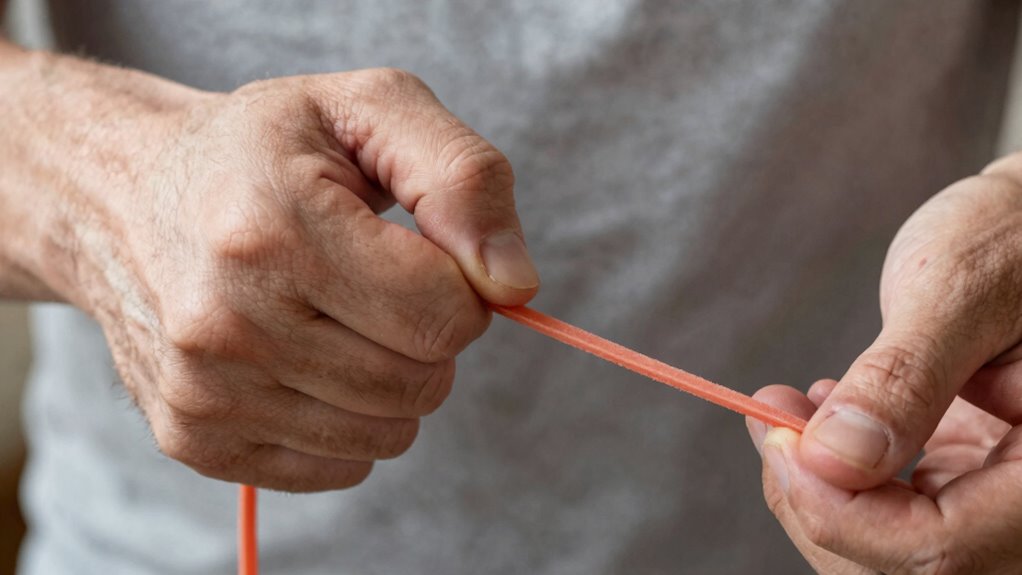

If you’re experiencing tension that feels too tight or too loose, your breathing patterns and posture are likely involved. Shallow, irregular breaths can trigger your stress response, causing muscles to tighten, while poor posture adds strain and fatigue. Practicing mindful breathing and maintaining proper alignment can help relax muscles and improve comfort. Curious about how to balance these issues? Keep going to discover simple techniques that can ease your tension and restore your natural flow.
Key Takeaways
- Proper breathing (deep, controlled) reduces muscle tension by calming the nervous system.
- Maintaining good posture prevents muscle tightness and supports balanced tension levels.
- Shallow or irregular breathing triggers stress responses, causing muscles to tighten.
- Regular mindfulness and posture awareness help manage and prevent persistent tension symptoms.
- Recognizing tension as a stress response emphasizes the importance of relaxation techniques.

Have you ever felt your muscles tighten unexpectedly or noticed a persistent sense of unease? That sensation might be your body’s way of signaling tension, and understanding what’s happening can help you manage it better. One key aspect to contemplate is your breathing patterns. When you’re stressed or anxious, you tend to take shallow, quick breaths that don’t fully engage your diaphragm. This shallow breathing can increase muscle tension, especially around your neck, shoulders, and chest. Conversely, deep, controlled breaths help relax your nervous system and release some of that built-up tension. Focusing on slow, steady inhalations and exhalations can soften tight muscles and reduce feelings of stress.
Your posture alignment also plays a vital role in tension symptoms. When you slouch or lean forward excessively, you put unnecessary strain on your muscles, which can lead to tightness and discomfort. Poor posture often results from long hours at a desk or looking down at your phone, causing imbalances that reinforce muscle tightness. On the other hand, maintaining proper posture—keeping your shoulders back, chest open, and spine aligned—can prevent many tension-related issues. Good posture encourages better breathing patterns, allowing your lungs to expand fully and oxygenate your muscles more effectively. When your posture is aligned, your muscles work more efficiently, and you’re less prone to the fatigue and tightness that come with misalignment.
It’s important to recognize that tension isn’t just about muscles; it’s also about how your body responds to stressors. When your breathing patterns become shallow or irregular, your body perceives a threat, triggering a fight-or-flight response. This reaction tightens muscles as a preparatory measure, which is why correcting your breathing can have immediate benefits. Regularly practicing mindful breathing exercises can help break this cycle, calming your nervous system and easing muscle tension. Similarly, paying attention to your posture throughout the day—reminding yourself to sit upright and avoid slouching—can prevent the buildup of tension over time.
deep breathing exercise device
As an affiliate, we earn on qualifying purchases.
As an affiliate, we earn on qualifying purchases.
Frequently Asked Questions
How Can I Tell if My Tension Is Too Tight or Too Loose?
You can tell if your tension is too tight or too loose by paying attention to your body’s signals. If your muscles feel stiff, sore, or if you struggle to relax, you likely have too much tension. If your muscles feel floppy or unresponsive, tension might be too loose. Use muscle relaxation techniques and tension management strategies like deep breathing or stretching to find a comfortable balance and reduce discomfort.
What Are Common Causes of Muscle Tension Imbalance?
You might experience muscle tension imbalance due to poor posture correction, which strains certain muscles while weakening others. Muscle fatigue from overuse can also cause tightness or looseness. Stress and lack of movement contribute to these imbalances, making muscles less responsive. To restore balance, focus on proper posture, incorporate regular stretching, and give your muscles adequate rest. These steps help prevent tension issues and improve overall muscle function.
Are There Specific Stretches to Relieve Tight Muscles?
Yes, there are specific stretches you can do for muscle release. Incorporate stretching routines like hamstring stretches, chest openers, and neck tilts to target tight muscles. Focus on slow, controlled movements to avoid overstretching. Regularly practicing these stretches helps improve flexibility and reduces muscle tension. Remember to breathe deeply and hold each stretch for at least 20 seconds to maximize muscle release and prevent tightness from returning.
When Should I Seek Professional Help for Tension Issues?
You should seek professional help when stress management techniques and posture correction don’t alleviate your tension issues. If you experience persistent pain, frequent headaches, or limited mobility, it’s time to consult a specialist. Ignoring these signs can worsen your condition. A professional can assess your posture, recommend targeted stretches, and develop a personalized plan to effectively relieve your tension and improve overall well-being.
Can Tension Problems Lead to Long-Term Health Concerns?
Yes, tension problems can lead to long-term health concerns if left unaddressed. Chronic stress and poor posture correction can cause muscle imbalances, joint issues, and even mental health challenges. To prevent this, you should prioritize stress management techniques like exercise, relaxation, and proper ergonomics. Consistently working on posture correction helps reduce tension, minimizing the risk of persistent pain and other health complications over time.
ergonomic posture support pillow
As an affiliate, we earn on qualifying purchases.
As an affiliate, we earn on qualifying purchases.
Conclusion
Think of your muscles like a garden hose—if it’s too tight, water can’t flow; if it’s too loose, it leaks. I once ignored a persistent ache, thinking it’d just go away, only to realize my tension was like a kinked hose, blocking my flow. By tuning into your body’s signals and finding that perfect balance, you keep everything running smoothly. Remember, managing tension is like maintaining that hose—you want just the right fit for ideal flow.
muscle tension relief massage tools
As an affiliate, we earn on qualifying purchases.
As an affiliate, we earn on qualifying purchases.
mindfulness meditation cushion
As an affiliate, we earn on qualifying purchases.
As an affiliate, we earn on qualifying purchases.