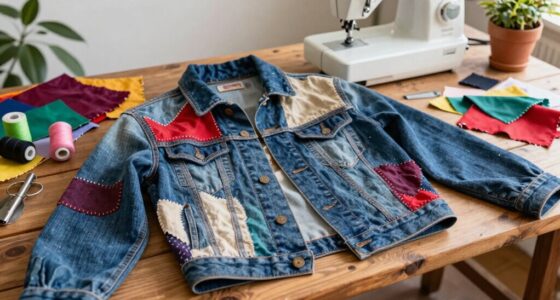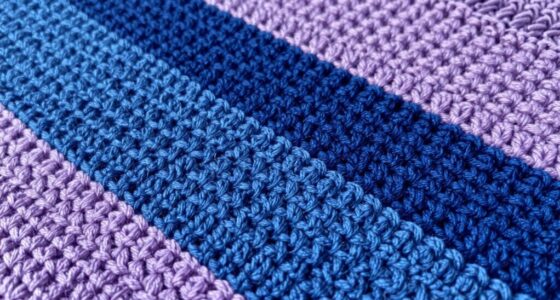
To reinforce stress points and prevent straps from ripping, use strong materials like nylon or canvas and double-stitch or zigzag at high-tension areas. Add extra fabric layers, webbing, or rivets to distribute force more evenly. Reinforce with bar tacking or secure backstitching at the start and end of seams. strategic placement of reinforcement elements and proper sewing techniques can greatly boost durability. Keep exploring to discover more ways to strengthen these critical areas effectively.

Get tools and workshop supplies delivered free — and shop member deals
- Fast, free delivery on millions of items
- Access to Prime Big Deal Days deals on October 6–7
- Prime Video, Amazon Music and more included
Key Takeaways
- Use reinforced stitching such as zigzag or multiple lines at strap attachment points.
- Add extra fabric layers or webbing behind stress areas for increased support.
- Incorporate bar tacking or rivets at high-stress zones to distribute force evenly.
- Choose high-tensile strength materials like nylon or canvas for straps and attachments.
- Position seams strategically to minimize tension on stitches and avoid weak points.
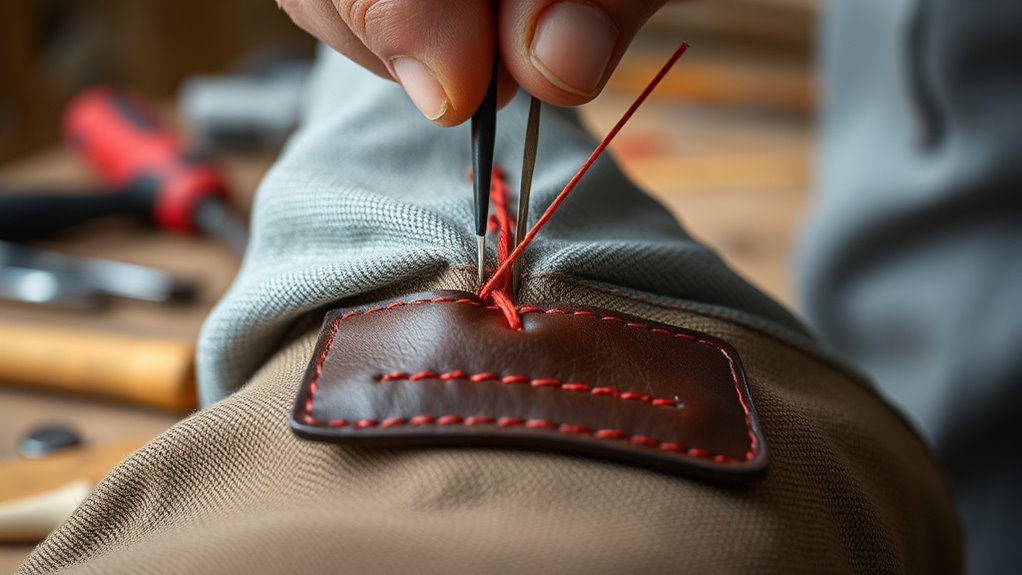
Have you ever wondered why certain parts of a structure are more prone to cracking or failure? When it comes to projects like sewing straps, bags, or even upholstery, these stress points take the brunt of tension and wear. To prevent rips and prolong durability, understanding how to reinforce these areas is essential. The first step involves paying close attention to sewing techniques and material selection, both of which play a significant role in how well your creation withstands stress.
Your choice of material can make or break the strength of your project. Opt for fabrics and threads that are designed for durability and high tension. Heavy-duty nylon or canvas, for instance, are excellent because they resist tearing better than lighter fabrics. When selecting materials, consider the environment and usage. If your straps will bear weight or endure constant pulling, choosing reinforced textiles with high tensile strength guarantees they won’t give way easily. Likewise, selecting a robust thread, such as polyester or nylon, enhances the stitching’s strength, preventing seams from unraveling under pressure.
Choose durable fabrics and strong threads like nylon or canvas for lasting, high-tension projects.
Sewing techniques are equally vital in reinforcing stress points. Instead of a simple straight stitch, consider using multiple rows of stitching or zigzag patterns at high-stress areas. Backstitching at the start and end of seams adds extra security, reducing the chance of unraveling. When sewing straps, attach them with reinforced stitching—double or even triple stitching lines to distribute tension evenly. Bar tacking, a technique where you sew a series of tight stitches over a small area, can be particularly effective at points where stress concentrates, like the ends of straps or corners.
In addition to stitch type, pay attention to seam placement. Position seams where they’ll experience less tension or reinforce them with additional fabric layers or webbing. You might also consider adding rivets or metal eyelets to distribute force more evenly across the material, especially if the project will handle significant weight. When working on complex projects, always test your reinforced areas before full assembly, ensuring your sewing techniques and material choices hold up under real-world stress.
As an affiliate, we earn on qualifying purchases.
Frequently Asked Questions
Can Reinforcement Techniques Be Applied to All Types of Straps?
Reinforcement techniques can generally be applied to most straps, but you need to take into account strap compatibility and reinforcement limitations. Some materials or designs may not respond well to certain reinforcement methods, risking damage or reduced strength. Always assess the strap’s material and construction before applying reinforcement. If you ignore compatibility or push beyond reinforcement limitations, you might compromise the strap’s integrity, leading to potential failure.
What Materials Are Best for Reinforcing Stress Points?
You should choose materials with high durability, like nylon, polyester, or reinforced webbing, for reinforcing stress points. These materials withstand tension and wear better over time. Use reinforcement methods such as sewing, applying patches, or adding extra stitching to strengthen weak spots. Combining durable materials with effective reinforcement methods guarantees your straps resist ripping and last longer, providing better performance and safety in your projects.
How Long Does Reinforcement Typically Last?
Think of your reinforcement as a sturdy shield, standing strong against time’s relentless march. With proper care, it can last several years, maintaining its durability and longevity. Regular maintenance tips—like inspecting for wear, cleaning gently, and avoiding overloading—help preserve its strength. Ultimately, how long it endures depends on usage and upkeep, but with attentive care, your reinforcement can stand firm through many adventures ahead.
Are There Any Risks of Damaging the Strap During Reinforcement?
Yes, there are some reinforcement risks that could damage the strap if you’re not careful. Applying too much heat or force during reinforcement can weaken or compromise strap durability. To avoid this, use gentle techniques and proper materials. Always test on a small area first, and make certain your repairs are secure without overstressing the strap. This way, you maintain the strap’s integrity and longevity while minimizing damage risks.
Can Reinforcement Be Undone if Needed?
Yes, reinforcement can be undone if needed by using reversible methods. You should carefully follow the removal process, which typically involves gentle techniques like heat or specific solvents, depending on the reinforcement material. Reversible methods allow you to remove the reinforcement without damaging the original strap. Just take your time and proceed carefully to make sure you don’t compromise the integrity of the strap during removal.
As an affiliate, we earn on qualifying purchases.
Conclusion
Now that you know how to reinforce those stress points, your straps will be stronger and less likely to rip. Think of it like giving your gear a sturdy backbone, yet still maintaining its flexibility and ease of use. Just as a bridge needs strong supports to handle heavy loads, your straps need reinforcement to withstand daily wear. With these simple tips, you’ll enjoy durability and peace of mind—knowing your gear is as tough as it is reliable.
bar tacking sewing machine attachments
As an affiliate, we earn on qualifying purchases.
As an affiliate, we earn on qualifying purchases.
high tensile strength fabric for straps
As an affiliate, we earn on qualifying purchases.
As an affiliate, we earn on qualifying purchases.
Halloween Picks
halloween
As an affiliate, we earn on qualifying purchases.