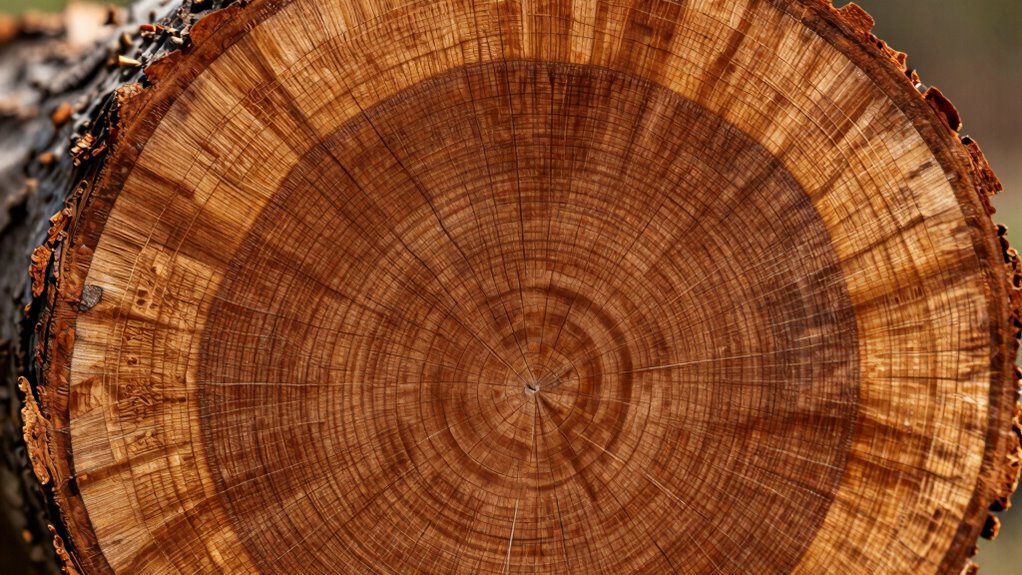
Hardwood isn’t defined solely by physical strength or density but by botanical classification—meaning it comes from deciduous trees with broad leaves. This can be confusing because many woods labeled as “hardwoods,” like Redwood or Cedar, are actually softer and less durable than some softwoods like Douglas fir. Understanding these labels requires knowing the difference between tree type and physical qualities; if you’re curious, there’s more to uncover about how wood properties truly compare.

Get business pricing on tools and workshop supplies
- Business-only prices and quantity discounts
- Tax-exempt purchasing
- Multiple users, one account, clear invoices
Key Takeaways
- “Hardwood” refers to deciduous trees with broad leaves, not necessarily indicating physical hardness or density.
- Botanical classification groups woods by plant origin, which can be misleading regarding physical traits like strength.
- Some hardwoods (e.g., balsa) are soft, while some softwoods (e.g., Douglas fir) are surprisingly hard, causing confusion.
- The Janka hardness test measures resistance to denting, but hardness does not always equate to durability or resilience.
- Labels like “hardwood” or “softwood” don’t reliably predict a wood’s actual physical properties or suitability for specific uses.
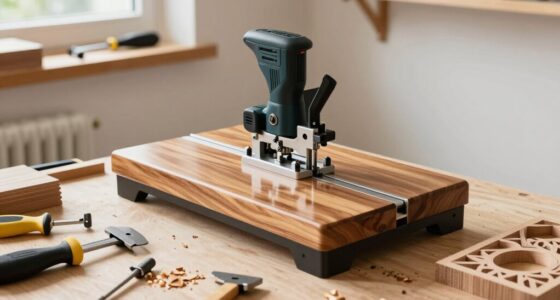
hardwood vs softwood Janka hardness tester
As an affiliate, we earn on qualifying purchases.
As an affiliate, we earn on qualifying purchases.
Botanical Classification vs. Physical Characteristics
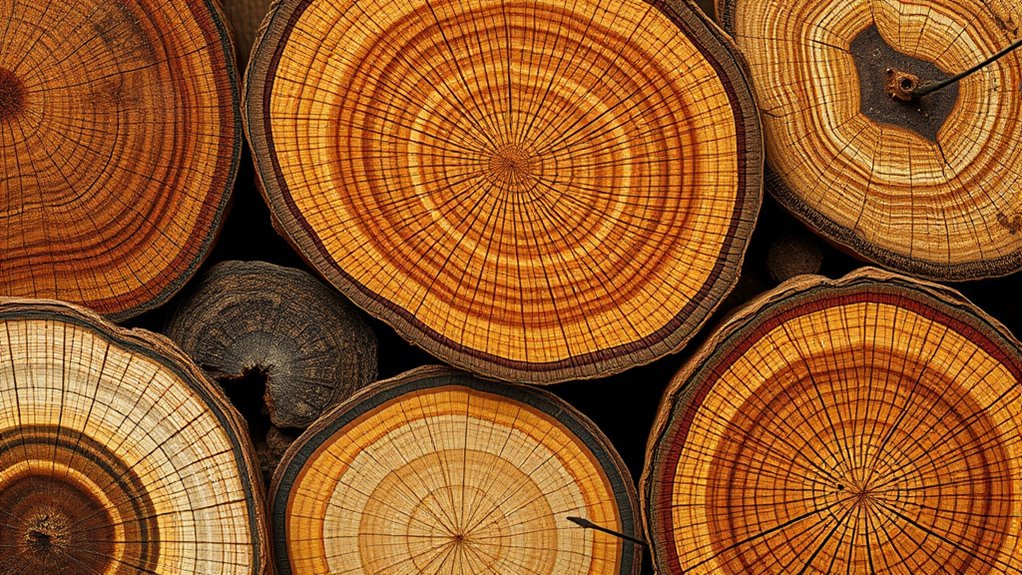
Although botanical classification groups woods based on their plant origin, physical characteristics like hardness can vary widely within those groups. Botanical classification sorts woods into categories such as hardwoods and softwoods, based on the type of tree they come from. However, this classification doesn’t always predict a wood’s physical characteristics, including hardness. For example, some hardwoods, like balsa, are surprisingly soft, while certain softwoods, such as Douglas fir, can be quite hard. Understanding this distinction helps you avoid assumptions based solely on botanical labels. Instead, you should consider the physical characteristics directly, especially hardness, to choose the right wood for your project. This approach ensures you select materials that meet your specific strength and durability needs. Choosing the Right Tip Size is also crucial when working with different types of wood to achieve the best finish and performance.
woodworking hardness testing tools
As an affiliate, we earn on qualifying purchases.
As an affiliate, we earn on qualifying purchases.
The Role of Tree Species in Hardwood and Softwood Labels
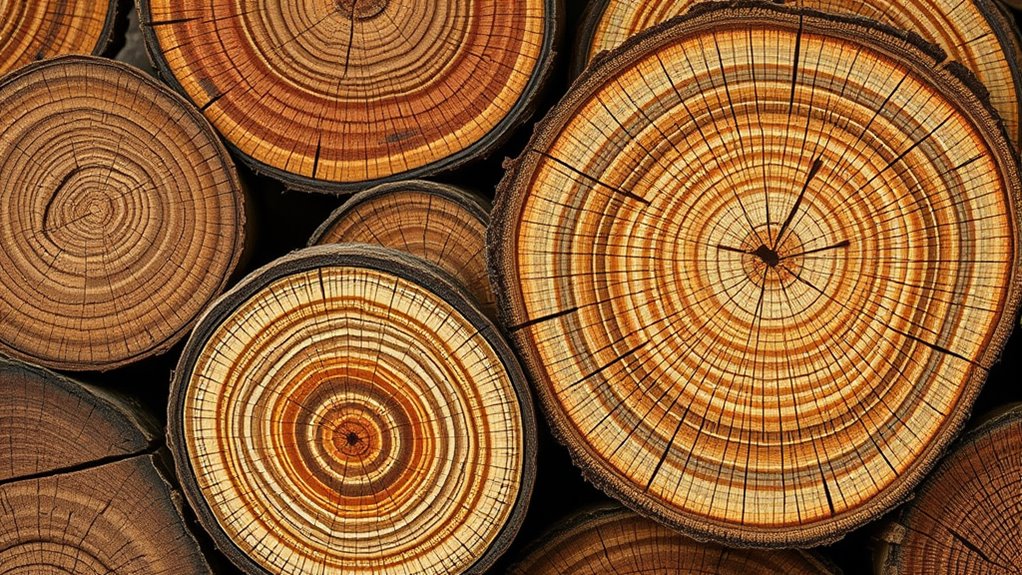
Tree species play a key role in how woods are labeled as hardwoods or softwoods, but these labels don’t always reflect their actual physical properties. Species differences, rooted in botanical taxonomy, determine the characteristics of the wood, such as density and grain. For example, hardwoods come from angiosperms, which are broad-leaf trees, while softwoods originate from gymnosperms, like pines. However, these categories don’t guarantee hardness; some hardwoods are softer than certain softwoods. The botanical taxonomy helps explain these distinctions, but it can be misleading when relying solely on the labels. Understanding the impact of tree species clarifies why a wood’s name doesn’t always match its actual strength or durability, emphasizing the importance of examining physical properties beyond the labels.
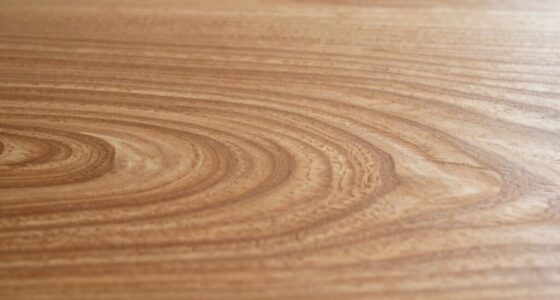
hardwood flooring durability comparison
As an affiliate, we earn on qualifying purchases.
As an affiliate, we earn on qualifying purchases.
Common Misconceptions About Hardness and Durability
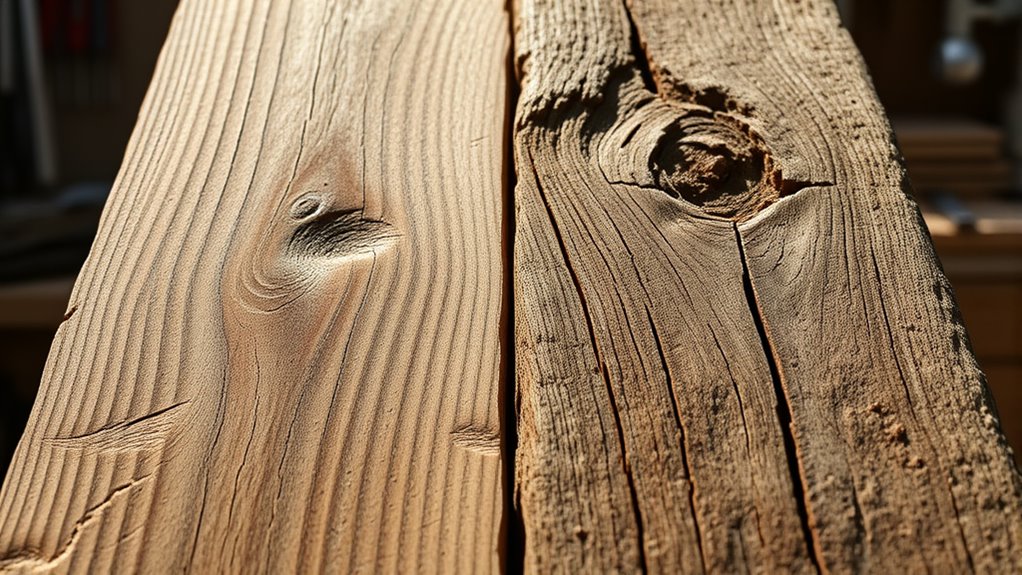
Many people believe that a harder wood automatically means it’s more durable, but that’s not always true. You might see dense woods as stronger, yet density doesn’t guarantee resistance to damage or wear. Understanding the difference between surface scratches and overall wear helps you choose the right wood for your needs.
Hardness ≠ Durability
People often assume that a harder wood automatically means it will last longer or withstand more wear, but this isn’t always the case. Hardness, which relates to a wood’s resistance to denting or scratching, doesn’t directly correlate with durability. The botanical classification and physical traits influence a wood’s hardness, but durability depends on other factors like resistance to moisture, decay, and pests. For example, some hardwoods may be very hard but brittle, cracking under stress, while softer woods might endure heavy use if they’re resistant to rot. So, don’t rely solely on hardness ratings to judge a wood’s longevity. Instead, consider the specific physical traits and environmental conditions the wood will face. Additionally, understanding the physical properties of wood can help in selecting the most suitable type for your needs.
Density Doesn’t Equal Strength
Although dense woods often seem stronger, higher density doesn’t necessarily mean a material can withstand more force or stress. Botanical differences influence physical attributes beyond just density, affecting how a wood responds under pressure. For example, two woods with similar densities can differ remarkably in strength because of cellular structure and fiber arrangement. Density measures how much mass fits into a given volume, but it doesn’t account for internal bonding or the quality of fibers. You might find a lightweight wood that’s surprisingly durable, or a dense one that’s brittle. This misconception can lead you to overestimate a wood’s strength based solely on its density. Instead, understanding the botanical and structural factors provides a clearer picture of how a wood will perform under stress.
Surface Scratches vs. Wear
Surface scratches often lead people to assume that a wood’s hardness directly correlates with its durability, but this isn’t always the case. The grain pattern and surface finishes play a significant role in how a wood resists scratches versus wear. A wood with a fine, uniform grain may show fewer scratches initially, but that doesn’t mean it’s more durable under heavy use. Conversely, a tougher surface finish can protect against wear even if scratches are visible. Keep in mind that surface finishes can mask or highlight scratches, and a wood’s ability to withstand wear depends on its overall hardness and how it’s treated, not just surface appearance. Understanding these differences helps you choose the right wood for your specific needs.
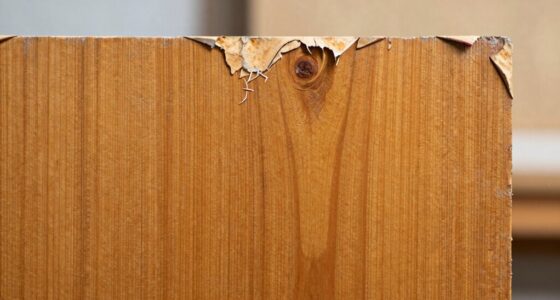
deciduous vs conifer wood samples
As an affiliate, we earn on qualifying purchases.
As an affiliate, we earn on qualifying purchases.
The Janka Hardness Test Explained
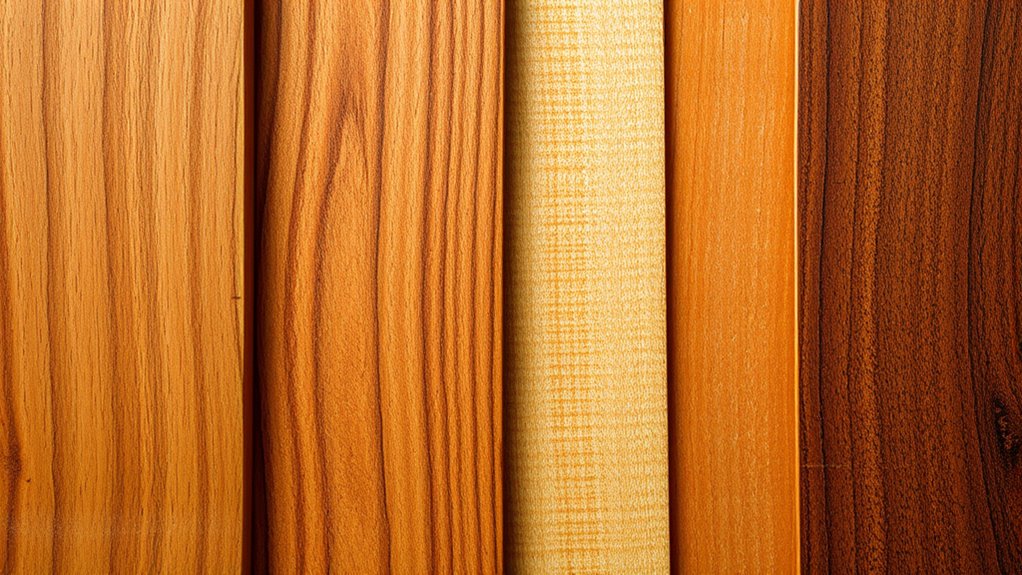
The Janka Hardness Test measures how much force it takes to embed a steel ball into wood. It uses a specific scale to rank different species, helping you compare their durability. Understanding this test helps you choose the right wood for your project based on practical needs. Proper measurement of wood hardness is essential for selecting the appropriate material for various applications. Knowing the differences among wood types can guide you in making more informed choices tailored to your specific project requirements. Additionally, Janka hardness values provide a useful benchmark when selecting wood for flooring, furniture, or other structural uses. Awareness of local wood availability can also influence your selection process, especially in regions with a variety of native species.
Testing Methodology Overview
To understand how wood hardness is measured, it’s important to grasp the basics of the Janka Hardness Test. This test evaluates a wood’s resistance to denting and wear, reflecting its physical traits like density and strength. Botanical differences influence these traits; for example, hardwoods typically have complex cellular structures that contribute to higher resistance. During testing, a steel ball is pushed into the wood with a standardized force until it reaches the midpoint of the ball’s diameter. The force required is recorded as the Janka hardness value. This method provides a consistent way to compare different species, regardless of their botanical differences. By focusing on physical traits, the test offers a practical measure of how well a wood can withstand everyday use.
Hardness Scale Details
Understanding the Janka Hardness Scale involves recognizing how the test results relate to a wood’s practical durability. The scale measures the force needed to embed a steel ball into the wood’s surface, reflecting its resistance to denting and wear. Botanical differences influence the physical traits that determine hardness; for example, species with dense, compact cell structures tend to score higher. You’ll notice that hardwoods like oak and hickory have thicker cell walls, making them harder, while softer woods like pine have less dense structures. These physical traits directly impact the results of the Janka test. Additionally, wood density plays a significant role in its hardness rating, as denser woods generally resist denting better. Understanding botanical differences and structural traits helps clarify why certain woods perform better in specific applications. physical traits such as cell wall thickness and arrangement directly influence a wood’s resistance to indentation and wear. The Janka Hardness Test itself provides a standardized measure that helps compare different wood species objectively. By understanding these botanical and structural factors, you can better interpret what the hardness ratings mean for real-world use and durability of wood.
Practical Implications
Knowing a wood’s Janka hardness rating helps you choose the right material for your project, especially when durability matters. Species differences can markedly impact how well a wood withstands wear, dents, and scratches. For example, harder species like hickory or oak are more resistant than softer ones like pine. However, labeling confusion often arises because the term “hardwood” doesn’t always equate to a higher Janka score, leading to misunderstandings about a wood’s actual toughness. This can affect your decision-making, especially if you’re aiming for flooring or furniture that lasts. Additionally, understanding the horsepower of electric dirt bikes can help you appreciate the strength needed for certain applications. Recognizing that species variation influences hardness can further refine your selection process, ensuring you pick the most suitable material for your project. It’s also important to note that classification of hardwoods can sometimes be misleading because some softwoods are technically classified as hardwoods due to their botanical origin. Knowing the Janka hardness helps you make informed choices for durability and longevity. By understanding these differences, you avoid surprises and select woods that meet your needs, rather than relying solely on common labels. Moreover, understanding the range of price points and the qualities associated with each can help you balance budget and durability when selecting your wood.
Examples of Softwoods Labeled as “Hardwoods
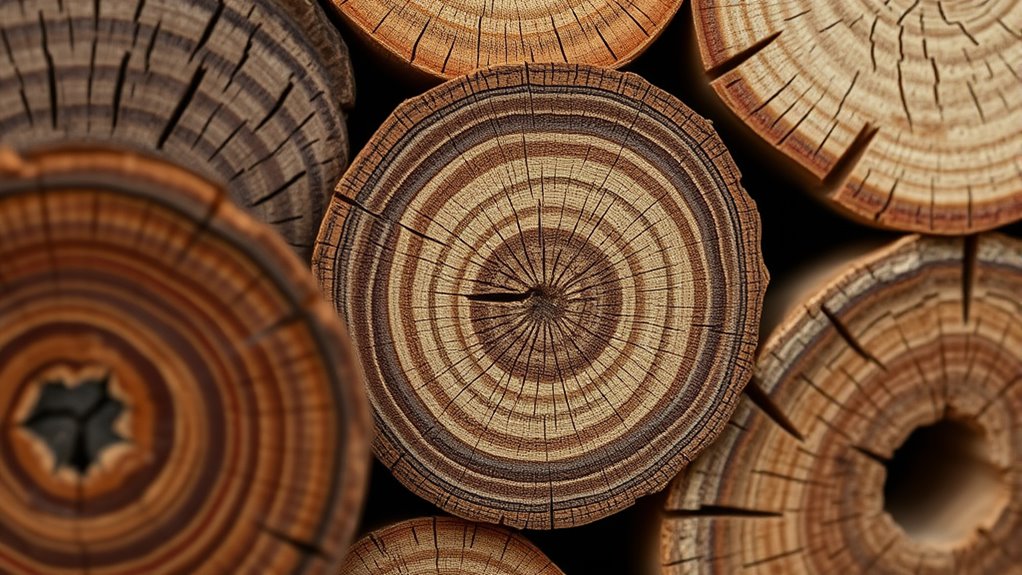
Some softwoods are labeled as “hardwoods,” even though they come from coniferous trees that typically have less dense, softer wood. This botanical classification isn’t always aligned with wood hardness. For example, you might see species with the label “hardwood” despite their physical characteristics indicating a softer texture.
- Redwood: Known for its durability, yet technically a softwood with a lower density.
- Cedar: Valued for its aroma and resistance, but botanically a softwood with a soft, lightweight feel.
- Larch: Sometimes marketed as hardwood, though it’s a softwood with a relatively soft, flexible structure.
These examples highlight how botanical classification can be misleading when considering actual physical characteristics like density and hardness.
When Softwoods Are Stronger Than Hardwoods
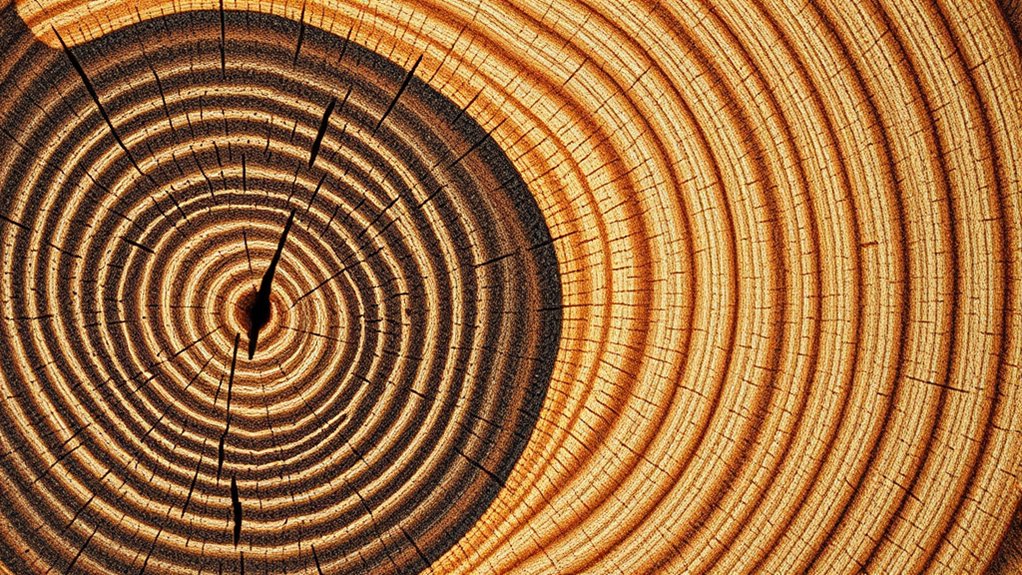
Although hardwoods are often regarded as stronger, many softwoods outperform them in strength and durability, especially when considering tree anatomy and wood grain. Softwoods like pine or Douglas fir have long, straight grains that can resist bending and splitting better in certain applications. Their lighter, less dense structures sometimes provide greater toughness despite lower overall density. For example, the strength of softwoods often depends on the orientation of the wood grain, which can be optimized during milling. Here’s a quick comparison:
| Tree Anatomy | Wood Grain | Strength Characteristics |
|---|---|---|
| Softwoods have longer fibers | Straight or spiral | Higher resistance when grain aligns with stress |
| Hardwoods have complex vessels | Irregular, interlocked | Often denser, but not always stronger |
| Softwood fibers are lighter | Uniform | Can outperform hardwood in specific tasks |
| Hardwoods contain more vessel elements | Variable | Strength depends on grain and density |
And it’s important to recognize that wood grain orientation can significantly influence the strength and suitability of different types of wood for specific uses. Additionally, advances in wood treatment techniques can further enhance the strength properties of both hardwoods and softwoods. Understanding how grain alignment affects strength is crucial for selecting the right wood for structural applications. Moreover, ongoing research into wood composite materials offers promising ways to improve performance beyond traditional natural woods.
How Density Affects Wood Performance

Density plays a significant role in determining how wood performs in various applications. Denser woods tend to be stronger, more durable, and resistant to wear, making them ideal for flooring or furniture. This density is influenced by factors like growth rings and mineral content, which can vary between species. For example, tightly packed growth rings create a compact structure, increasing density. Higher mineral content, often from soil conditions, can also add weight and hardness to the wood. Additionally, wood density measurements provide a quantitative way to compare different species and their suitability for specific uses. Understanding these measurements can help you select the right wood for your project. – Denser woods resist dents and scratches better – Growth rings influence overall strength and stability – Mineral content impacts weight and durability Understanding these factors helps you select the right wood for your project. By considering density, you ensure your wood performs well under specific conditions, whether for structural or aesthetic purposes.
Choosing the Right Wood for Your Project
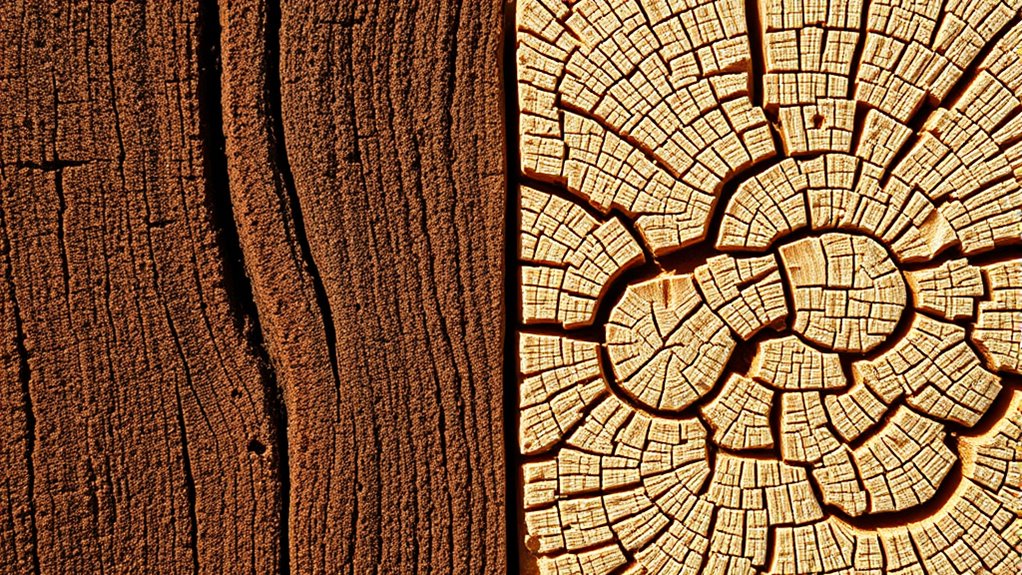
Choosing the right wood for your project is essential to guarantee the final result meets your expectations and withstands use. Your choice depends on factors like wood grain, which influences appearance and workability, and botanical classification, helping you understand the wood’s natural properties. Selecting the proper wood ensures durability, aesthetic appeal, and ease of handling. Consider how the wood’s grain pattern aligns with your design goals and whether its botanical traits match the environment where it’ll be used. Here’s a quick comparison:
| Feature | Impact on Your Project |
|---|---|
| Tight grain | Smooth finish, less warping |
| Open grain | Unique texture, easier finishing |
| Hardwood (e.g., Oak) | Durable, suitable for furniture |
| Softwood (e.g., Pine) | Lightweight, versatile for crafts |
Making an informed choice helps turn your vision into reality.
The Importance of Understanding Wood Properties Beyond Labels
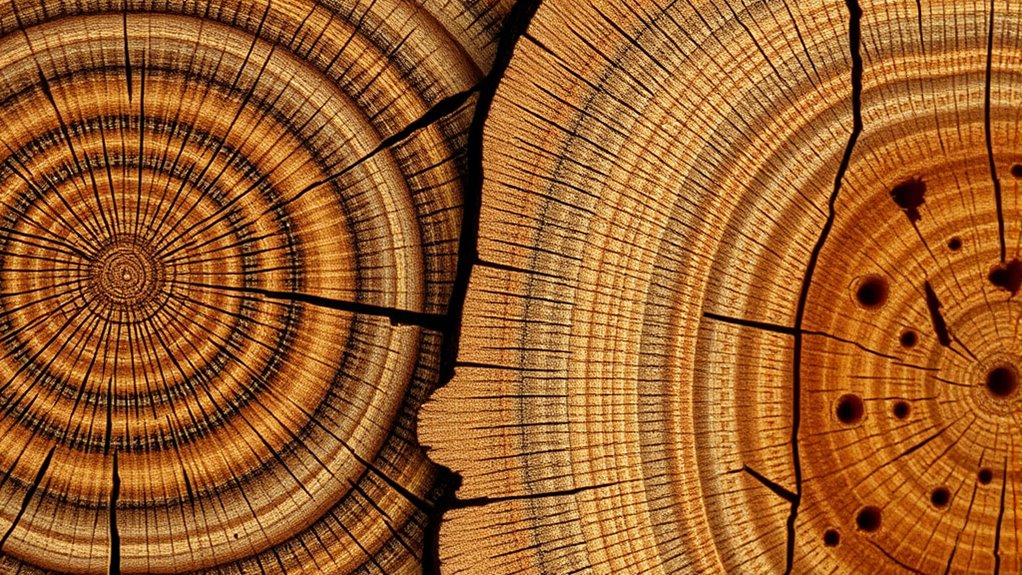
While labels like “hardwood” or “softwood” provide a quick reference, they don’t tell the full story about a wood’s performance. To choose the right material, you need to understand its properties beyond these labels. Wood treatment can alter durability and appearance, affecting how it withstands wear and environmental factors. Additionally, considering the environmental impact helps you select sustainable options that reduce ecological harm.
Key factors to explore include:
- How different woods respond to treatment processes,
- The environmental footprint of harvesting and processing,
- The long-term stability and wear resistance of various species.
Frequently Asked Questions
How Does Environmental Impact Influence Hardwood and Softwood Categorization?
Environmental impact influences hardwood and softwood categorization because sustainable forestry practices help reduce their carbon footprints. When you choose sustainably harvested hardwood or softwood, you support eco-friendly harvesting that preserves forests and minimizes environmental harm. This categorization reflects not just botanical differences but also how trees are sourced, with greener options lowering overall environmental impact. By considering sustainability, you make better choices that benefit the planet while using durable, high-quality wood.
Can Wood Treatments Alter Its Hardness Classification?
Imagine a fortress, its strength symbolizing hardness. Wood treatment acts like a magic potion, capable of softening or strengthening the fortress walls. Yes, it can alter a wood’s hardness, but it doesn’t change its fundamental classification. Hardness alteration through treatment modifies surface qualities, making the wood more or less durable for specific tasks. So, treatments influence performance without redefining the core identity as hardwood or softwood.
Are There Regional Differences in Hardwood and Softwood Definitions?
Regional terminology and local classifications definitely influence how you identify hardwoods and softwoods. In some areas, what’s called hardwood might be softwood in others, and vice versa. You should be aware of these regional differences because they affect your understanding of wood properties and uses. Always check local classifications when selecting wood, since terminology can vary widely, making it essential to verify the actual species and characteristics rather than relying solely on regional labels.
How Do Growth Rates Affect Wood Durability and Hardness?
Your growth rate considerably impacts wood durability and hardness. Slower-growing trees tend to produce denser wood with higher density, making it more resistant to wear and damage. Faster-growing trees usually yield softer, less durable wood. So, if you want a long-lasting, hard material, opt for wood from slow-growing species, as their lower growth rates result in higher density and better overall strength.
What Are the Economic Implications of Mislabeling Wood Types?
Mislabeling wood types can turn the market into a minefield, skewing market valuation and disrupting the supply chain. When you mistake softwood for hardwood, you risk overpaying or underestimating its value, leading to financial losses. This confusion can slow production, inflate costs, and erode trust among buyers and sellers. Ultimately, mislabeling damages industry stability, making it vital to guarantee accurate identification for fair, efficient commerce.
Conclusion
Think of hardwoods and softwoods as two different genres of music—not strictly about volume or strength, but about origin and tradition. Just as a soulful jazz piece can be more resilient than a loud pop hit, a softwood might surprise you with its durability. Understanding these nuances helps you choose the right wood for your project, turning a confusing classification into a symphony of informed decisions. Ultimately, it’s about playing the right tune for your needs.
Fall yard work Picks
leaf blowers
As an affiliate, we earn on qualifying purchases.