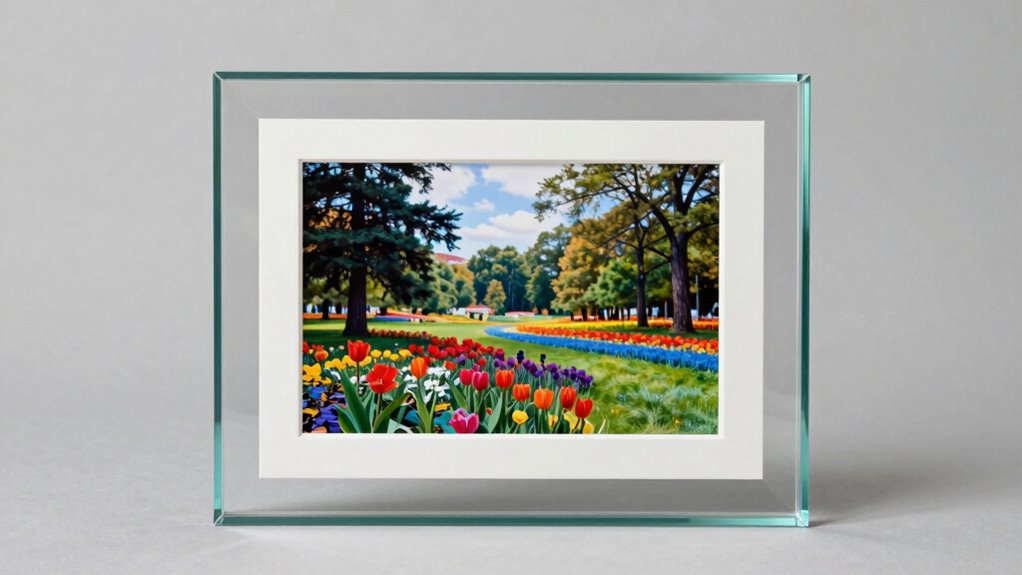

Finding the perfect large museum glass picture frame can elevate your artwork, photos, or prints while providing superior protection. Optium Museum Grade Acrylic stands out for its high clarity and UV protection, making it ideal for preserving valuable pieces. Haus and Hues 20×20 offers a stylish, natural oak frame with tempered glass, perfect for contemporary decor. Meanwhile, Non Glare Museum Glass provides near-total glare reduction and UV protection, making it the best choice for bright display areas. Each option balances clarity, durability, and aesthetic appeal but differs in size, cost, and ease of use, which I unpack below.

Get business pricing on tools and workshop supplies
- Business-only prices and quantity discounts
- Tax-exempt purchasing
- Multiple users, one account, clear invoices
Complete the kit


Key Takeaways
- Acrylic options like Optium provide lightweight, shatter-resistant protection with high clarity but at a higher price.
- Traditional glass frames such as Haus and Hues combine natural materials with durability, suited for wall displays.
- Specialized non-glare museum glass excels in glare reduction and UV blocking, ideal for bright environments.
- Size compatibility varies, with some options limited to specific dimensions like 20×20 or 11×14 inches.
- Tradeoffs include cost, handling requirements, and whether the frame fits your artwork’s dimensions.
| Optium Museum Grade Acrylic Glass Cover for Picture Framing (4 x 6) |  | Best for UV protection and lightweight safety | Size: 4 x 6 | UV Protection: 99% | Material: Acrylic | VIEW ON AMAZON | See Our Full Breakdown |
| Haus and Hues 20×20 Picture Frame with Real Glass & Black American Oak Mat |  | Best for contemporary style and natural materials | Size: 20×20 inches | Material: Oak wood | Glass: Tempered | VIEW ON AMAZON | See Our Full Breakdown |
| Egofine 11×14 Heat-Strengthened Glass Replacement for Picture Frame (2 Pack) |  | Best for replacement and durability | VIEW ON AMAZON | See Our Full Breakdown | |||
| Non Glare Glass for Picture Frames, Anti‑Reflective Museum Glass |  | Best for glare reduction and color preservation | VIEW ON AMAZON | See Our Full Breakdown | |||
| Americanflat 11×14 Floating Picture Frame – Engineered Wood – Black |  | Best for floating effect and modern style | Size: 11×14 inches | Material: Engineered wood | Finish: Black | VIEW ON AMAZON | See Our Full Breakdown |
| museum glass picture frame large | Size | Material |
|---|---|---|
| Optium Museum Grade Acrylic Gl | 4 x 6 | Acrylic |
| Haus and Hues 20×20 Picture Fr | 20×20 inches | Oak wood |
| Egofine 11×14 Heat-Strengthene | — | — |
| Non Glare Glass for Picture Fr | — | — |
| Americanflat 11×14 Floating Pi | 11×14 inches | Engineered wood |
More Details on Our Top Picks
Optium Museum Grade Acrylic Glass Cover for Picture Framing (4 x 6)
This acrylic cover distinguishes itself with crystal-clear clarity and anti-reflective coating, making it ideal for preserving artwork that needs maximum visual impact. Its UV protection blocks 99% of harmful rays, a key factor for long-term preservation. Compared to traditional glass, it’s lighter and shatter-resistant, reducing breakage risks during handling and display. However, its higher cost and need for careful cleaning to avoid scratches may be drawbacks for budget-conscious buyers or those inexperienced with acrylic surfaces. It’s best suited for smaller pieces or delicate displays where safety and UV protection matter most.
Pros:- High clarity with anti-reflective and UV protection
- Shatter-resistant and lightweight for safety
- Dust-resistant anti-static coating
Cons:- More expensive than standard glass
- Requires careful cleaning to avoid scratches
- Limited size options listed
Best for: Collectors or gallery owners seeking high clarity and UV protection in smaller frames
Not ideal for: Large-scale displays or buyers on a tight budget
- Size:4 x 6
- UV Protection:99%
- Material:Acrylic
- Anti-Reflective:Yes
- Shatter-Resistant:Yes
- Anti-Static Coating:Yes
Our verdict“An excellent choice for smaller, high-value displays where clarity and UV protection are priorities.”
Haus and Hues 20×20 Picture Frame with Real Glass & Black American Oak Mat
This 20×20 frame combines the warmth of oak wood with a modern aesthetic, making it perfect for contemporary interiors. The tempered glass provides durability and clarity, while the included mat enhances visual focus. Its versatile wall-mounting options allow both vertical and horizontal display, making it suitable for a variety of artwork and photos. Compared to acrylic options, this frame offers a more natural and elegant look, but its fixed size limits flexibility for different artwork dimensions. It’s best suited for those wanting a stylish, ready-to-hang large frame for wall displays.
Pros:- Elegant natural oak wood with a modern design
- Includes tempered glass and mat for enhanced display
- Versatile mounting options
Cons:- Limited to 20×20 size
- No adjustable or different mat colors available
- Price and reviews not specified
Best for: Home decorators or gallery owners seeking stylish, natural wood framing
Not ideal for: Artwork requiring UV protection or for framing irregular sizes
- Size:20×20 inches
- Material:Oak wood
- Glass:Tempered
- Color:Black
- Shape:Square
- Finish:Painted
Our verdict“Ideal for those wanting a stylish, natural wood frame for large wall art or photographs.”
Egofine 11×14 Heat-Strengthened Glass Replacement for Picture Frame (2 Pack)
This set of heat-strengthened glass replacements offers a reliable alternative for restoring or upgrading 11×14 frames. The glass is stronger than standard panes, making it less prone to scratches and breakage, especially in high-traffic or busy environments. It provides excellent clarity and is lighter than normal glass, reducing strain during handling. The packaging with corner protectors minimizes breakage risks during shipping. However, it’s limited to 11×14 frames and may not suit larger displays. It’s perfect for those needing durable replacements or upgrading existing frames with high-quality glass.
Pros:- Strong heat-strengthened glass for durability
- Lightweight yet scratch-resistant
- Includes 2 pieces for multiple replacements
Cons:- Limited to 11×14 size
- Not a full frame or display solution
- No UV protection specified
Best for: Framers or photographers replacing broken or scratched glass in 11×14 frames
Not ideal for: Large or custom-sized frames outside 11×14 inches
Our verdict“A practical choice for replacing broken or scratched glass in standard 11×14 frames with added durability.”
Non Glare Glass for Picture Frames, Anti‑Reflective Museum Glass
This premium anti-reflective museum glass significantly reduces glare by nearly 99%, making it ideal for bright or sunlit display areas. Its ultra-clear optical quality and UV protection ensure that colors stay vivid and artwork remains protected from fading. The 3.1 mm thickness adds durability, resisting yellowing and clouding over time, unlike acrylic. Though it’s a pre-cut 11″ x 14″ sheet, its optical performance makes it suitable for professional and high-end displays. The main tradeoff is its higher price and the necessity of careful cleaning to preserve its clarity, but it’s unmatched for glare-sensitive environments.
Pros:- Reduces nearly 99% of light reflection
- Blocks UV rays to prevent fading
- Superior optical clarity and thickness
Cons:- Higher cost compared to standard glass or acrylic
- Requires careful cleaning to prevent scratches
- Pre-cut size limits custom framing
Best for: Photographers, artists, or collectors needing glare-free viewing in bright settings
Not ideal for: Large or irregularly shaped frames outside 11×14 dimensions
Our verdict“The best choice for high-end displays where glare and color fidelity are critical.”
Americanflat 11×14 Floating Picture Frame – Engineered Wood – Black
This floating frame creates a striking visual illusion, making your photo appear to hover within the frame. Its minimalist design and sleek black finish add a contemporary touch to any wall. Suitable for 8×10 or smaller artwork, the double-sided glass front enhances the floating effect, making it perfect for special photos or artwork with a modern aesthetic. While easy to install and versatile for vertical or horizontal display, it’s limited in size and design options. It’s best for those who want a distinctive, modern presentation for smaller pieces and are comfortable with the fixed dimensions.
Pros:- Creates a captivating floating visual
- Double-sided glass enhances the effect
- Easy to install with versatile orientation
Cons:- Limited to 11×14 size with specific artwork dimensions
- Design may not suit traditional tastes
- Requires careful handling of glass components
Best for: Modern home or office settings displaying smaller artwork with a floating effect
Not ideal for: Large pieces or traditional framing styles
- Size:11×14 inches
- Material:Engineered wood
- Finish:Black
- Mounting:Hanging hardware included
- Display Style:Floating
Our verdict“An eye-catching option for modern displays of smaller artwork or photos.”

How We Picked
Our selection process focused on the balance between optical clarity, protective qualities, ease of handling, and aesthetic value. We prioritized museum-grade materials like UV-protective acrylic and high-quality glass that preserve artwork over time. Size versatility was considered, along with user-friendly features like mounting options and durability. Tradeoffs were scrutinized to highlight what each product excels at and where it falls short, ensuring that each pick serves a specific buyer need—from budget-friendly replacements to premium display solutions.
| museum glass picture frame large | Material |
|---|---|
| Optium Museum Grade Acrylic Gl | Acrylic |
| Haus and Hues 20×20 Picture Fr | Oak wood |
| Egofine 11×14 Heat-Strengthene | — |
| Non Glare Glass for Picture Fr | — |
| Americanflat 11×14 Floating Pi | Engineered wood |
Factors to Consider When Choosing Museum Glass Picture Frame Large
Choosing the right large museum glass picture frame depends on several factors: the type of protection needed, the display environment, size compatibility, and aesthetic preferences. Each material offers distinct advantages—acrylic for lightweight safety, traditional glass for classic clarity, and specialized museum glass for glare reduction and color fidelity. Understanding these differences helps you match the product to your specific display goals and environment.
Material and Clarity
The core difference lies in the material: acrylic versus glass. Acrylic options like Optium provide high transparency with anti-reflective coatings, ideal for delicate or high-value artwork that needs UV protection. Traditional glass, such as tempered or museum-grade, offers superior optical clarity and durability, especially for larger frames. Premium museum glass reduces glare and enhances color vibrancy but comes at a higher cost and often with limited size options.
Protection and Durability
UV protection is essential for safeguarding artwork from fading over time. Acrylic typically provides UV shielding at a lighter weight, while museum glass can block nearly all UV rays with added glare reduction. Heat-strengthened glass is a good compromise for durability, especially in high-traffic areas, whereas standard glass may scratch or break more easily. Consider your environment—bright sunlight or high traffic—when selecting the protective features.
Size and Compatibility
Large frames come with size constraints. Some products are fixed at specific dimensions like 20×20 or 11×14, which limits flexibility. Always verify that your artwork or photos match the frame’s size or can be custom-fitted. For irregular or larger artwork, adjustable or more versatile frames are preferable, even if they come at a higher price.
Aesthetic and Style
The visual style varies from minimalist floating frames to natural wood finishes. Decide whether you want a modern, sleek look or a more traditional presentation. Material choice also influences the aesthetic—oak and engineered wood add warmth and texture, while acrylic and museum glass prioritize clarity and glare reduction. The mounting options and frame design should complement your decor and display goals.
Frequently Asked Questions
What is museum glass and why is it better?
Museum glass is a high-quality, ultra-clear optical glass that offers superior glare reduction and UV protection. It minimizes reflections and preserves the vibrancy of colors over time, making it ideal for high-end artwork and photographs displayed in brightly lit environments. Compared to standard glass or acrylic, museum glass provides a clearer, more true-to-life viewing experience with enhanced protection against fading.
Is acrylic a good substitute for glass in large frames?
Yes, acrylic can be a good substitute for glass, especially in large frames where weight and safety are concerns. Acrylic is lighter, shatter-resistant, and easier to handle, making it suitable for high-traffic areas or fragile displays. However, it can scratch more easily and may require careful cleaning. Its lower cost and durability often justify its use, but for maximum optical clarity and UV protection, museum-grade acrylic is recommended.
How do I clean museum glass without damaging it?
Cleaning museum glass should be done gently to preserve its optical qualities. Use a soft, lint-free cloth slightly dampened with purified water or a specialized glass cleaner. Wipe gently in a circular motion, avoiding abrasive materials or rough cloths that can scratch the surface. Always dry with a clean, dry cloth afterward. Proper cleaning ensures the glass maintains its clarity and protective qualities over time.
Can these frames accommodate different artwork sizes?
Most large museum glass frames are designed for specific sizes, such as 11×14 or 20×20 inches. Some, like floating frames, may have fixed dimensions or be slightly adjustable. It’s important to verify the exact measurements before purchasing to ensure your artwork fits properly. For irregular or larger sizes, custom framing or adjustable options may be necessary.
Are these frames suitable for outdoor display?
While some materials like UV-protected acrylic and museum glass offer excellent protection against sunlight and fading, most frames are intended for indoor use. Exposure to weather elements, temperature fluctuations, or moisture can damage the frames and artwork. For outdoor displays, look for frames specifically rated for outdoor use with weatherproofing features and ensure the glass or acrylic is rated for UV and environmental resistance.
Conclusion
For buyers prioritizing UV protection and clarity in smaller or delicate displays, the Optium Museum Grade Acrylic is an excellent pick despite its higher cost. Those seeking a stylish, natural look for large wall art will appreciate the Haus and Hues 20×20 frame. If durability and replacement flexibility matter most, the Egofine heat-strengthened glass options provide a practical solution. For glare-sensitive environments or high-end art, the Non Glare Museum Glass stands out. Lastly, for a modern, floating display of smaller artwork, the Americanflat floating frame offers a sleek aesthetic. Your choice should align with your artwork’s size, display environment, and aesthetic preferences.
Halloween Picks
halloween
As an affiliate, we earn on qualifying purchases.