To prevent splinters before they start, start with selecting high-quality, properly dried wood and inspect it for rough patches or cracks. Always wear safety gloves to provide a barrier, and use sharp tools to cut smoothly along the grain. Finish surfaces with sealants or varnish to stabilize fibers and reduce lifting. Proper handling, tool maintenance, and surface preparation are key to avoiding splinters. Keep going to discover more effective techniques to keep your woodworking safe and smooth.

Get business pricing on tools and workshop supplies
- Business-only prices and quantity discounts
- Tax-exempt purchasing
- Multiple users, one account, clear invoices
Key Takeaways
- Select high-quality, properly dried wood to minimize roughness and splintering risks.
- Inspect wood thoroughly for splinters, cracks, or rough patches before starting work.
- Use sharp, well-maintained tools to ensure clean cuts and reduce fiber tearing.
- Wear protective gloves and safety goggles during handling and cutting to prevent injuries.
- Apply surface finishes like sealants or varnishes to stabilize wood and prevent future splintering.

Splinters can be painful and frustrating, but you can prevent them with simple precautions. The key is to approach woodworking with the right safety gear and proper techniques that minimize the risk of splinters forming in the first place. Wearing gloves made from smooth, durable materials can provide a barrier between your skin and rough or splintered wood surfaces. While gloves aren’t always necessary for every task, they’re especially helpful when handling rough lumber or working on projects that involve sanding or planing. Safety goggles also play an essential role, protecting your eyes from tiny wood particles that can cause splinters or irritation. By equipping yourself with the right safety gear, you’re actively reducing the chances of splinters from ever reaching your skin or eyes.
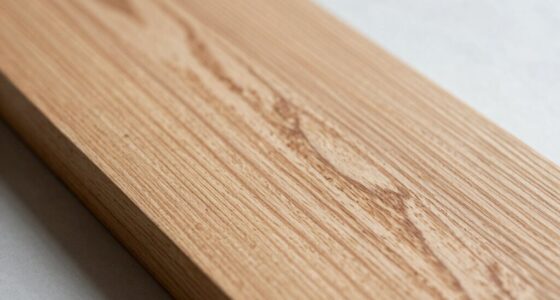
Beyond safety gear, adopting sound woodworking techniques is vital. One of the most effective strategies is selecting high-quality, properly dried wood. Fresh or improperly stored wood tends to be rougher and more prone to splintering. Always inspect your wood before working with it; look for splinters, cracks, or rough patches, and avoid using pieces that are damaged or overly splintered. When cutting or sanding, ensure your tools are sharp and well-maintained. Dull blades or abrasive tools can cause the wood fibers to tear unevenly, producing splinters. Use precise cutting techniques—make steady, controlled cuts without forcing the blade through the material. This helps create cleaner edges that are less likely to splinter. Additionally, understanding the importance of project planning can help you anticipate potential problem areas and work more safely.
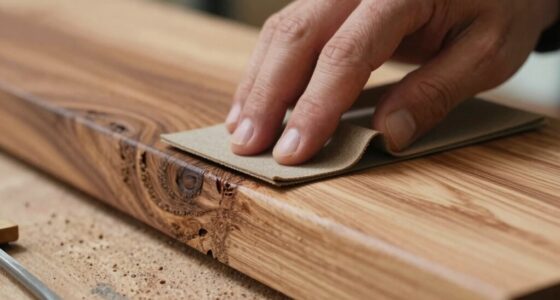
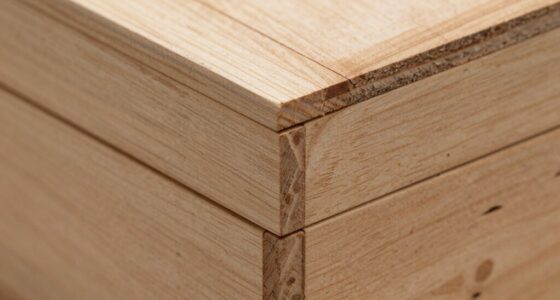
Sanding is another critical woodworking technique for preventing splinters. Start with a coarse grit to smooth out rough surfaces, then gradually move to finer grits for a polished finish. Always sand along the grain rather than against it, as this reduces the risk of tearing fibers loose. When handling edges and corners, consider using a router or a file to round them off instead of leaving sharp, jagged edges that are more prone to splintering. Applying a suitable finish, such as a wood sealant, varnish, or stain, also helps stabilize the surface and prevent fibers from lifting or splintering over time.
high-quality dried woodworking lumber
As an affiliate, we earn on qualifying purchases.
As an affiliate, we earn on qualifying purchases.
Frequently Asked Questions
Can Splinters Be Caused by Treated or Painted Wood?
Yes, treated or painted wood can still cause splinters. Wood treatment and paint effects may mask splinter-prone areas temporarily, but if the surface isn’t properly finished or becomes damaged, splinters can still emerge. To prevent this, make sure you sand treated or painted wood smoothly and regularly inspect for rough spots. Properly sealing and finishing the wood helps minimize the risk of splinters, keeping your hands safe during use.
Are Certain Types of Wood More Prone to Splinters?
Think of wood as a rugged landscape; some terrains, like those with prominent wood grain and rougher textures, are more prone to splinters. Softwoods such as pine or cedar often have a coarser grain, making them more susceptible. To keep splinters at bay, choose wood with a smooth finish, and always sand and seal it properly. The right wood and finish act as your armor against splinters.
How Often Should I Inspect Wooden Surfaces for Splinters?
You should inspect wooden surfaces for splinters at least once a month as part of your wooden maintenance routine. Regular inspection helps you catch any rough spots or splinters early, preventing injuries. Pay close attention to areas with frequent contact or wear. By maintaining a consistent inspection frequency, you can identify potential problems early and address them promptly, keeping your wooden surfaces safe and smooth for everyone.
Do Gloves Effectively Prevent Splinters During Woodworking?
Wearing gloves can help prevent splinters during woodworking, especially if you choose the right materials like leather or heavy-duty rubber. However, they aren’t foolproof—splinters can still pierce through thin or poorly fitted gloves. For safety, always inspect your gloves for tears, keep them clean, and follow safety tips like handling wood carefully and wearing eye protection. Proper glove use considerably reduces your risk of splinters.
Can Splinters Occur in Outdoor Furniture During Winter?
Yes, splinters can occur in outdoor furniture during winter due to winter hazards and outdoor maintenance. Cold temperatures cause wood to contract and become brittle, increasing splinter risk. Snow, ice, and moisture can also weaken the wood’s surface. To prevent splinters, regularly inspect and sand your furniture, apply protective sealants, and store or cover furniture during harsh winter weather. Proper outdoor maintenance keeps your furniture safe and splinter-free year-round.
As an affiliate, we earn on qualifying purchases.
Conclusion
Think of your woodwork as a delicate garden. Just as you nurture each plant to prevent weeds and disease, you must care for your wood to stop splinters before they take hold. A little regular maintenance—sanding, sealing, and gentle handling—keeps your project healthy and strong. When you invest in these small acts, you’re cultivating a space free of pain and frustration, allowing your craftsmanship to flourish like a well-tended garden—beautiful, resilient, and splinter-free.
As an affiliate, we earn on qualifying purchases.
wood sealant varnish for surface finishing
As an affiliate, we earn on qualifying purchases.
As an affiliate, we earn on qualifying purchases.
Halloween Picks
halloween
As an affiliate, we earn on qualifying purchases.