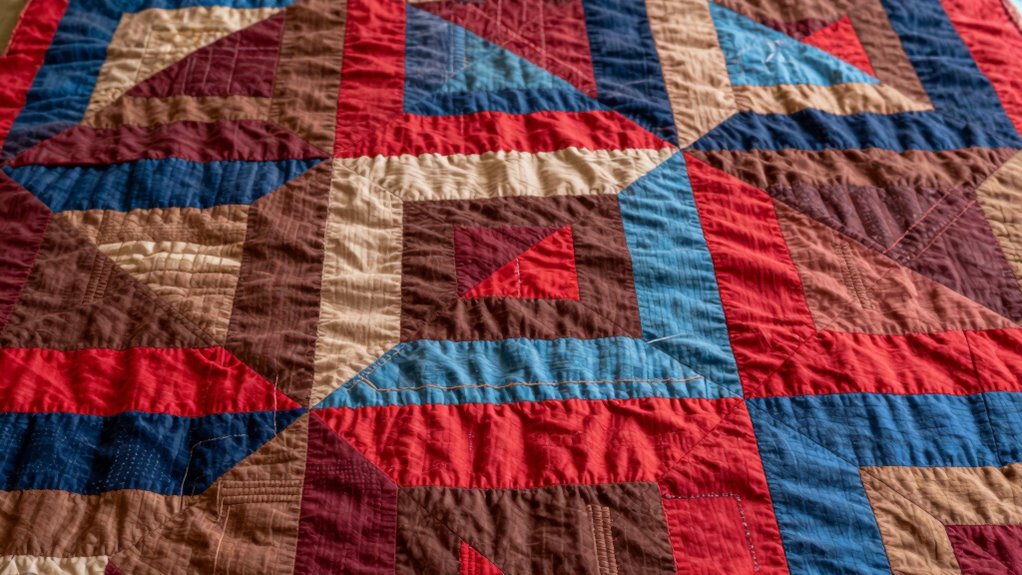

The power of Gee’s Bend quilts comes from their unique blend of improvisation, resourcefulness, and cultural expression. Created by women with limited formal education, these quilts tell stories of resilience, hope, and community through bold geometric patterns and spontaneous design choices. Their artistry challenges traditional views, elevating craft to fine art, and embodying African American ingenuity. If you keep exploring, you’ll discover how these quilts continue to inspire and shape cultural history.
Key Takeaways
- They embody resilience, creativity, and cultural heritage, telling stories of hardship and hope through intricate, improvisational designs.
- Created by resourceful women using limited materials, showcasing mastery and ingenuity despite lack of formal training.
- Their bold geometric patterns and spontaneous improvisation challenge traditional art distinctions, elevating quilting to fine art.
- They serve as symbols of community strength, cultural identity, and African American artistic legacy.
- Their enduring influence inspires ongoing appreciation of resourcefulness, storytelling, and the power of community-based art.
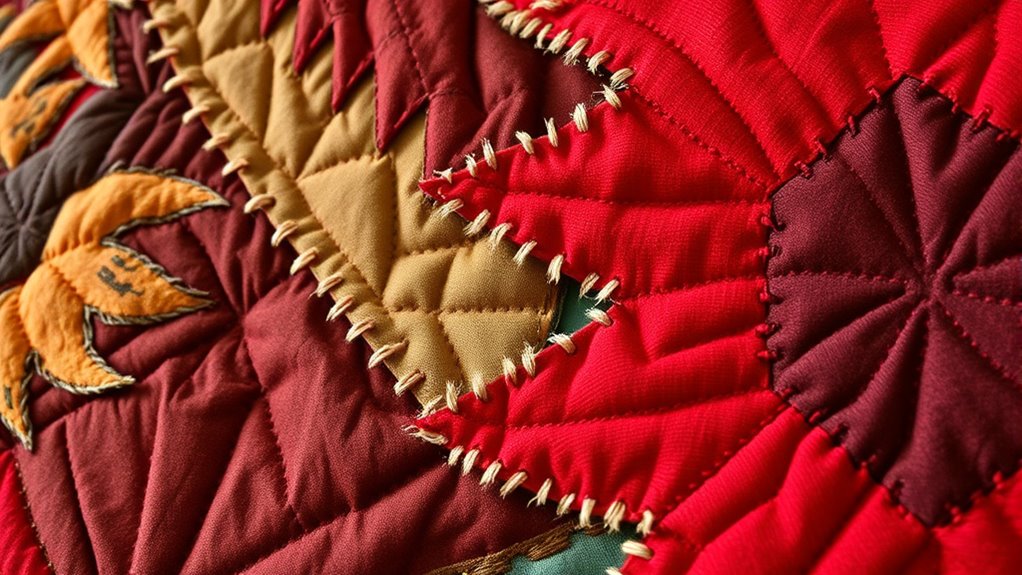
Have you ever wondered how a small community’s handcrafted quilts can leave a lasting mark on American art? The quilts from Gee’s Bend are more than just beautiful textiles; they are powerful expressions of African American artistry that tell stories of resilience, creativity, and cultural heritage. These quilts stand out because they reflect a unique blend of quilting techniques passed down through generations, combined with improvisation and personal flair. You can see how each piece embodies a sense of community and individual ingenuity, making them extraordinary in the world of craft and art.
The African American artistry woven into these quilts is fundamental to their significance. Created by women who often had limited access to formal education, the quilts reveal a resourcefulness that transcends mere functionality. Instead of adhering strictly to traditional patterns, they infused their work with improvisation, improvising with available materials and creating designs that are spontaneous yet deliberate. This intuitive approach to quilting became a hallmark of Gee’s Bend quilts, setting them apart from more standardized forms of quilt-making and elevating them into the domain of fine art. Their artistry is not just in the visual impact but also in the cultural narrative they carry, capturing stories of hardship, hope, and community in every stitch.
When you examine the quilting techniques used, you notice how innovative and resourceful these women were. They repurposed worn fabric, old clothing, and scraps, transforming them into intricate patterns through precise stitching and bold geometric shapes. Their techniques often involved improvisation—choosing colors and shapes intuitively rather than following rigid rules—which added a dynamic, lively quality to their quilts. This approach was born out of necessity but became a distinctive artistic signature. The craftsmanship displayed in these quilts demonstrates a deep understanding of textile manipulation and a mastery of sewing that belies their humble origins. Additionally, their use of improvisation and resourcefulness highlights a cultural approach to art-making that values ingenuity over convention.
What makes the legacy of Gee’s Bend quilts so powerful is the way they challenge traditional notions of art and craft. They demand recognition not only for their aesthetic beauty but also for their cultural significance. As you learn about their history, you realize that these quilts are more than textiles; they are symbols of a community’s strength and creative spirit. Their improvisational quilting techniques and African American artistry continue to inspire artists, historians, and enthusiasts alike, underscoring the enduring importance of their contribution to American cultural heritage.

Quilts of Gee's Bend Notes, 4 3/8 x 5 1/2 x 1 5/8
- Museum-Quality Quilts: From major U.S. collections to your home
- Vibrant Artistic Design: Colorful, geometric, organic quilt patterns
- Rich Cultural Heritage: Created by Gee’s Bend women, descendants of slaves
As an affiliate, we earn on qualifying purchases.
As an affiliate, we earn on qualifying purchases.
Frequently Asked Questions
How Did Gee’s Bend Community Influence Quilt Designs?
Your community storytelling and cultural identity deeply influence Gee’s Bend quilt designs. You see, local stories and traditions inspire patterns and colors, making each quilt a reflection of shared history. As you weave these fabrics, you preserve your heritage, passing down meaningful symbols and techniques. This collective creativity highlights your community’s resilience and identity, turning simple quilts into powerful narratives that connect past and present, enriching everyone who views or creates them.
What Materials Are Traditionally Used in Gee’s Bend Quilts?
You’ll find that Gee’s Bend quilts mainly use recycled fabrics like worn-out work shirts, dresses, and feed sacks, giving each piece a rich history. The fabric choices often include bold, contrasting colors, symbolizing community and resilience. These quilts reflect resourcefulness and cultural expression, making each one a vivid story in cloth. Their powerful visual impact comes from the thoughtful use of fabric choices and color symbolism that tell deeper stories.
How Have Gee’s Bend Quilts Impacted Contemporary Art?
You see how Gee’s Bend quilts influence contemporary art through their cultural symbolism and artistic innovation. They inspire artists to embrace bold patterns and meaningful storytelling, breaking traditional boundaries. By blending craft with personal and cultural narratives, these quilts challenge perceptions of art and craft, encouraging new forms of expression. Their impact fosters a deeper appreciation of African American history and creative resilience, shaping modern artistic practices and dialogues worldwide.
Are There Specific Patterns Unique to Gee’s Bend Quilts?
A picture is worth a thousand words, and Gee’s Bend quilts feature unique patterns you won’t find elsewhere. You’ll notice their use of geometric motifs and bold color symbolism, creating a visual language that’s both striking and meaningful. These quilts often blend improvisational designs with traditional elements, making each piece a one-of-a-kind reflection of the quilters’ creativity and cultural heritage. Their patterns are truly a visual story in fabric form.
How Do Quilts Reflect the History of African American Women?
You see, quilts reflect the history of African American women by embodying their social identity and cultural resilience. Through their intricate patterns and storytelling, they preserve traditions, struggles, and triumphs. These quilts serve as a powerful expression of community, resistance, and hope, showcasing how women used craft to maintain their cultural heritage and assert their identity despite adversity. Their work is a lasting affirmation to strength and resilience.

A Language of Stitches: The Radical Quilts of Rosie Lee Tompkins
As an affiliate, we earn on qualifying purchases.
As an affiliate, we earn on qualifying purchases.
Conclusion
As you reflect on Gee’s Bend quilts, you realize they’re more than fabric and stitches—they’re a tapestry of resilience and history. Like a river carving its path through stone, these quilts carry the weight of generations, whispering stories of struggle, hope, and unwavering spirit. Their vibrant patterns are a heartbeat, reminding you that true beauty emerges from adversity. In their timeless design, you find a powerful legacy woven into the fabric of American history.

Scrap Quilts From Crumbs, Strips and Strings: Use up every last piece with 15 scrap quilt patterns
As an affiliate, we earn on qualifying purchases.
As an affiliate, we earn on qualifying purchases.

Trendy Decor 4U BJ1021B-704G Lover's Knot Quilt Block Barn Wall Art By Billy Jacobs – Americana Landscape 15" H x 19" W
- Artistic Design: Red barn with lover’s knot quilt block
- Frame Material: Recycled black wood frame
- Display Ready: Keyhole slot for easy hanging
As an affiliate, we earn on qualifying purchases.
As an affiliate, we earn on qualifying purchases.