African textile patterns are a vibrant language that shows your cultural stories, beliefs, and social roles through symbolic motifs, colors, and intricate designs. You’ll see shapes that represent animals, plants, or abstract ideas, each carrying a specific meaning like strength or unity. These patterns often tell stories of ancestors or spiritual beliefs, connecting you to your roots. Keep exploring, and you’ll discover how each textile beautifully communicates history and identity without words.

Get business pricing on tools and workshop supplies
- Business-only prices and quantity discounts
- Tax-exempt purchasing
- Multiple users, one account, clear invoices
Key Takeaways
- African textile patterns encode cultural stories, beliefs, and social status through symbolic motifs and geometric designs.
- Colors and shapes in textiles convey specific meanings, such as vitality, purity, or spiritual connection.
- Patterns often depict animals, plants, or abstract symbols representing concepts like fertility or strength.
- Textile designs serve as visual storytelling tools, passing down traditions, history, and spiritual beliefs across generations.
- Specific patterns are linked to social roles, ceremonies, and community identity, fostering cultural continuity and cohesion.

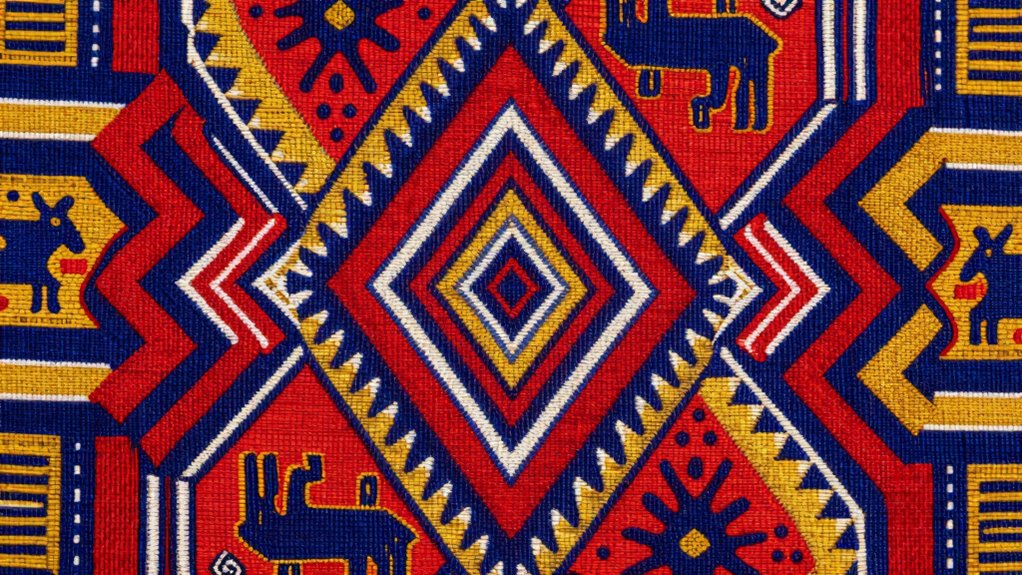
Have you ever wondered what stories and traditions are woven into African textile patterns? These intricate designs are more than just eye-catching decorations; they’re a visual language that communicates history, beliefs, and social status. When you look closely at these textiles, you’ll notice symbolic motifs—distinct shapes, symbols, and patterns that hold specific meanings. Each motif is carefully chosen and arranged to convey messages that can be understood within the community, making each piece a storytelling canvas. These symbolic motifs serve as a bridge between the past and the present, preserving cultural heritage through fabric. Many of these patterns have been passed down through generations, maintaining their significance over time. You might find motifs representing animals, plants, or abstract shapes, each carrying a particular cultural significance. For example, certain patterns symbolize fertility, strength, or unity, depending on the community that creates them. In some cultures, a specific geometric pattern might indicate a person’s social status, age group, or tribe affiliation. When you wear or see these textiles, you’re not just appreciating their beauty—you’re engaging with a story that has been passed down through generations. These symbols often serve as a form of communication, especially in societies where written language is less prominent. The motifs become a visual vocabulary, telling stories of ancestors, rites of passage, or spiritual beliefs.
The cultural significance of these patterns is deeply rooted in tradition. They’re often used in ceremonies, rituals, or special occasions, highlighting their importance beyond mere decoration. For instance, certain textiles are reserved for weddings or initiation ceremonies, emphasizing their role in marking significant life moments. The colors and patterns are deliberately chosen to align with cultural meanings—red might symbolize vitality or sacrifice, while white can represent purity or peace. Understanding these symbols allows you to appreciate the textiles not just for their craftsmanship but for their role in cultural identity and continuity. Recognizing these symbols can also foster a greater appreciation for the symbolic communication embedded in traditional textiles.
In many African societies, textile patterns are a form of storytelling that transcends generations. When you observe a piece, you’re witnessing a narrative crafted by skilled artisans who embed their history and beliefs into every stitch. These textiles become cultural artifacts that communicate shared values, history, and social structures without words. So, when you encounter African textile patterns, remember that behind each motif lies a story—an expression of identity and tradition that continues to thrive through the art of weaving.
Popular right now

Sony WH-1000XM4C Wireless Noise-Cancelling Headphones, Black

Bose QuietComfort Ultra Earbuds (2nd Gen), Deep Plum

Vitamix Propel Series 510 Professional-Grade Blender, 3 Programs, Black
As an affiliate, we earn on qualifying purchases.
Frequently Asked Questions
How Are Traditional Patterns Passed Down Through Generations?
You pass down traditional patterns through cultural preservation and textile craftsmanship. As you learn from elders and community members, you inherit the techniques and symbols that define your heritage. You practice weaving and dyeing, ensuring these skills stay alive. Sharing stories behind the patterns also keeps the cultural significance intact, helping future generations appreciate their history and identity, maintaining a strong connection to their roots through textile artistry.
Do Different African Regions Have Unique Textile Symbolism?
Think of Africa’s regions as vibrant threads woven into a rich tapestry, each with its own unique pattern. Yes, regional textile diversity shines through in symbolism, reflecting local histories, beliefs, and customs. As cultures evolve, so does their storytelling through textiles, blending tradition with innovation. These regional differences keep the cultural symbolism evolution alive, making every fabric a storybook of its people’s identity and heritage.
Can Patterns Indicate Social Status or Tribe Affiliation?
Patterns often indicate social status or tribe affiliation through fashion symbolism, helping you identify cultural identity. When you wear specific designs, you’re signaling your community, rank, or social role, making your clothing a powerful communication tool. These symbols foster a sense of belonging and pride, allowing you to express your heritage visually. Recognizing these patterns deepens your understanding of African traditions and the stories behind each textile.
How Do Modern Designers Incorporate Traditional Symbols?
Did you know that over 60% of modern designers incorporate traditional symbols into contemporary fashion? You can see this blend of fashion innovation and cultural preservation in their work, as they adapt historic motifs into new patterns, fabrics, and styles. By doing so, you help keep these meaningful symbols alive, honoring heritage while making fashion that resonates globally. This fusion creates powerful, culturally rich designs that celebrate history with a modern twist.
Are There Specific Rituals Associated With Creating Textile Patterns?
Yes, there are specific rituals associated with creating textile patterns. You might participate in fabric dyeing ceremonies that honor ancestral traditions, ensuring pattern preservation and cultural significance. These rituals often involve singing, dancing, or offering prayers, emphasizing respect for the craft. Such practices help maintain the authenticity of the patterns, connecting artisans to their heritage while enriching the storytelling embedded in each textile.
Conclusion
Think of African textile patterns as a vibrant tapestry, each thread telling a story you can’t see at first glance. They’re like a secret language, whispering tales of history, culture, and identity. By understanding these symbols, you discover a world where threads weave connection and memory. So, next time you see these patterns, remember—they’re not just fabric, but a living storybook, waiting for you to read and cherish its rich, colorful story.