You need a different approach for end grain because its cellular structure reacts differently than the sides or face of the wood. It’s more prone to tearing, chipping, and splintering if you don’t handle it carefully. Using sharp tools, shallow cuts, and proper support helps prevent damage and guarantees cleaner results. Understanding how the grain runs allows you to make more effective cuts. Keep exploring, and you’ll discover strategies to master working with end grain more effortlessly.

Get business pricing on tools and workshop supplies
- Business-only prices and quantity discounts
- Tax-exempt purchasing
- Multiple users, one account, clear invoices
Key Takeaways
- End grain exposes the wood’s cellular structure, making it more prone to tearing and chipping during cutting.
- It requires sharper tools and controlled, shallow cuts to prevent damage and achieve cleaner results.
- Grain orientation significantly influences how cuts behave and how the wood responds to shaping.
- Proper support and specific techniques are essential to minimize tear-out and splintering.
- Understanding end grain properties allows for better planning, stronger joints, and higher-quality finishes.
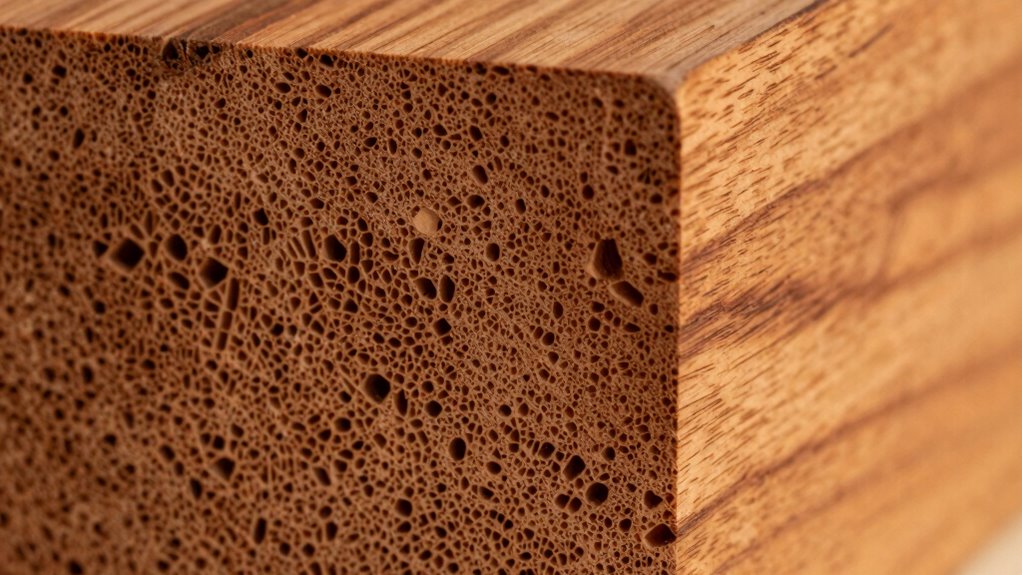
Have you ever considered how working with end grain can transform your woodworking projects? It’s a different approach that demands understanding the unique properties of end grain, especially when it comes to grain orientation and cutting techniques. Unlike side grain or face grain, end grain runs perpendicular to the surface, exposing the wood’s cellular structure directly. This orientation makes it more susceptible to tearing out and chipping if you don’t adjust your methods. Focusing on grain orientation helps you plan your cuts carefully, ensuring cleaner results and increased durability in your finished piece.
Working with end grain requires careful planning and precise techniques for cleaner, stronger woodwork.
When working with end grain, your cutting techniques need to be more deliberate. You can’t rely on the same methods you use for surface grain. Instead, you should use sharp tools and controlled, shallow cuts to minimize tearing and splintering. For example, when making joinery or shaping the end grain, it’s best to take light passes with your saw or chisel. This reduces stress on the wood fibers and preserves the integrity of the material. Additionally, employing techniques like scoring the cut line before making the full cut can help prevent splintering and produce a cleaner surface.
The way you approach cutting techniques with end grain also influences the tools you choose. A sharp handsaw or a fine-toothed saw will give you better control and cleaner cuts. When using chisels, sharp edges are essential to reduce tear-out and achieve precise shaping. It’s also helpful to support the end grain piece properly, especially during cutting, to prevent tear-out caused by force or vibration. Clamping the workpiece securely and making slow, steady cuts is crucial to maintaining control and accuracy. Moreover, understanding grain orientation can help you select the most appropriate technique for each task. Being aware of the structural differences in the wood can help you avoid common pitfalls and improve the overall quality of your work. Developing a good understanding of cutting techniques and how they relate to grain orientation is essential for creating durable and aesthetically pleasing projects. Gaining this knowledge can also help you make more informed decisions about tool selection for different projects.
Furthermore, understanding grain orientation helps you decide the best cutting technique for different tasks. For instance, when planing or smoothing end grain, use a gentle, scraping motion rather than a heavy push, which can cause tearing. When gluing or finishing, knowing how the grain runs helps you orient your pieces properly, avoiding weak spots or areas prone to splitting. Mastering these techniques will help ensure your projects are both durable and aesthetically pleasing.
In essence, working with end grain isn’t just about cutting through the wood; it’s about respecting its structure. Adjusting your grain orientation awareness and refining your cutting techniques will lead to cleaner, stronger, and more professional-looking results. It’s a skill that elevates your craftsmanship and opens up new possibilities for your woodworking projects.
Popular right now

De'Longhi Linea Classic Espresso Machine with Adjustable Milk Frother

Vitamix Propel Series 750 Professional-Grade Blender, 4 Programs, Black

Dyson Ball Animal 3 Extra Upright Vacuum
As an affiliate, we earn on qualifying purchases.
Frequently Asked Questions
How Does End Grain Differ From Face or Edge Grain in Woodworking?
End grain differs from face or edge grain because of its unique grain orientation, where you see the cross-section of the wood fibers. This orientation makes the wood more porous and prone to absorbing moisture and glue unevenly. As a result, you need to use different techniques, like careful gluing and sealing, to guarantee stability and durability. Understanding these differences helps you work more effectively with various wood types.
What Environmental Factors Affect End Grain Durability?
Environmental factors like moisture absorption and pest susceptibility directly impact end grain durability. When exposed to high humidity or water, end grain absorbs moisture quickly, leading to swelling, cracking, and decay. Additionally, pests find end grain more attractive because of its open structure, increasing your risk of infestation. To protect your projects, you should seal the end grain and keep it dry, reducing moisture intake and deterring pests.
Can End Grain Be Used Effectively Outdoors?
Imagine your end grain piece standing resilient through rain and sun—yes, it can be effective outdoors. You just need to apply weatherproof finishes and pest-resistant treatments, which create a protective barrier against moisture and insects. These treatments penetrate deep, safeguarding the wood’s core. With proper maintenance, your end grain can withstand outdoor elements, ensuring longevity and beauty while your outdoor project stands the test of time.
What Tools Are Best Suited for Working With End Grain?
You should use sharp, fine-tooth saws and chisels designed for detailed work when working with end grain. For sanding techniques, start with a coarser grit and gradually move to finer ones to smooth the surface without tearing the fibers. When it comes to finishing options, oil-based finishes or sealers work best to protect the end grain and enhance its natural beauty. These tools and techniques help achieve a clean, durable result.
How Does End Grain Influence Adhesive Bonding Strength?
You might think end grain weakens adhesive bonds, but with proper surface preparation, you can achieve strong adhesion. End grain absorbs adhesives like epoxy and polyurethane better, creating a more secure bond. Using the right adhesive types and thoroughly cleaning and roughening the surface guarantees maximum grip. So, don’t worry—by focusing on surface prep, you’ll get reliable, durable bonds even with end grain.
Conclusion
Just like a tree’s roots anchor it firmly, understanding end grain’s unique needs grounds your woodworking approach. Don’t treat it like the sides of a board—see it as a canvas for resilience and beauty. When you adapt your techniques, you *discover* its true potential, transforming challenges into opportunities. Embrace the difference, and watch your craftsmanship blossom—like a mighty oak rising from humble roots, standing strong and proud against the test of time.