
TL;DR

Get business pricing on tools and workshop supplies
- Business-only prices and quantity discounts
- Tax-exempt purchasing
- Multiple users, one account, clear invoices
The best woodworking tool sets for students combine safety features, essential tools, and durability at an affordable price. Recent innovations include ergonomic designs and educational extras to boost learning and safety.
Imagine your first woodworking project — a simple birdhouse, or a small shelf. The smell of fresh-cut wood, the rhythmic tap of a hammer, the satisfying feel of a well-designed tool in your hand. But starting out without the right tools can turn that excitement into frustration or even injury. That’s where a well-chosen woodworking tool set for students makes all the difference.
This guide walks you through what to look for, the latest innovations, and practical tips. Whether you’re a parent buying for a young learner or a student eager to craft, you’ll learn how to pick a set that’s safe, complete, and built for beginners.
Choose sets with safety features like guards and ergonomic handles to prevent injuries.
Look for comprehensive kits that include all essential tools for beginner projects.
Recent innovations, such as multi-purpose tools and digital guides, enhance safety and learning.
Assess your project goals and skill level to pick the most suitable set—starter kits are perfect for small projects.
Always prioritize safety: wear goggles, keep fingers clear, and work in a tidy, well-lit space.
What Makes a Good Woodworking Tool Set for Students?
The core of any great student woodworking set is safety, simplicity, and versatility. Think of it as a toolbox that’s easy to handle but packed with everything you need to get started. Safety features like rounded edges, non-toxic finishes, and ergonomic grips are non-negotiable.
For example, a beginner-friendly hand saw with a soft grip and a safety guard can make all the difference. The set should include essentials like a hammer, screwdrivers, chisels, measuring tape, and clamps — enough to cover basic projects without overwhelming you. Durability matters too; look for tools made from hardened steel or high-quality plastics that won’t break after a few uses.
Choosing a set with these features ensures not only safety but also encourages proper technique and confidence. When tools are comfortable and safe, students are more likely to develop good habits, which are crucial for both their safety and the quality of their work. The tradeoff is often between affordability and premium safety features, but investing in quality safety components can prevent injuries that might be costly in the long run.
woodworking tool set for beginners
As an affiliate, we earn on qualifying purchases.
As an affiliate, we earn on qualifying purchases.
Latest Innovations Making Student Woodworking Sets Better
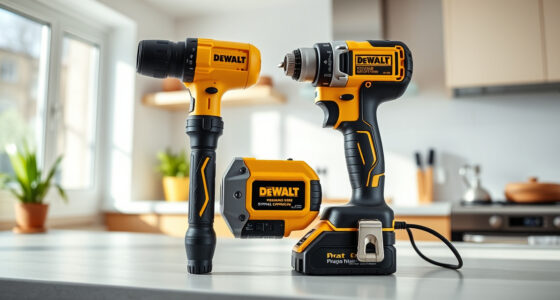
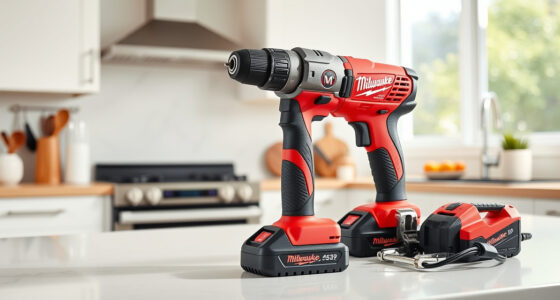
Modern sets aren’t just a collection of tools; they’re smarter, safer, and more user-friendly. Multi-functional tools, like combo drills with multiple bits, save space and cost, but they also introduce complexity that can be confusing for beginners. The key is balancing multifunctionality with ease of use to prevent frustration or misuse.
Ergonomic handles are a significant innovation, as they reduce hand fatigue and improve control, which minimizes accidental slips and injuries. Sustainable materials, such as biodegradable plastics or responsibly sourced wood handles, are becoming standard, reflecting an increased emphasis on safety and environmental responsibility. These eco-friendly choices often involve tradeoffs, such as slightly higher costs or reduced durability, but they promote safer handling and environmental awareness.
Digital guides and augmented reality apps are transforming learning; for example, a digital ruler or saw with built-in LED lights can help beginners make precise cuts, reducing errors and material waste. These innovations not only enhance safety by guiding correct techniques but also make learning more engaging and interactive, which can accelerate skill acquisition and confidence.
As an affiliate, we earn on qualifying purchases.
What Tools Should You Expect in a Student Woodworking Set?
| Tool Type | Purpose |
|---|---|
| Hand Saw | Cutting wood to size, with safety features like rounded tips and non-slip grips to prevent accidents and ensure precise control. |
| Hammer | Driving nails and assembling pieces, designed with ergonomic handles to reduce fatigue and improve safety during use. |
| Screwdrivers | Assembling and disassembling, with anti-slip handles and magnetic tips for added control and safety. |
| Chisels | Carving and shaping, with beveled edges and rounded corners to prevent injuries during handling. |
| Measuring Tape & Square | Accurate measurements essential for precision; modern designs include locking mechanisms and easy-to-read markings for better usability. |
| Clamps | Holding pieces steady during cutting or gluing, with quick-release mechanisms for safety and convenience. |
| Sandpaper | Smoothing surfaces; higher grit sandpapers are safer and less likely to cause splinters when used properly. |
These tools form the backbone of most beginner projects. For example, a typical set might include a 12-inch hand saw, a rubber-handle hammer, and a set of flat-head screwdrivers, all stored in a sturdy plastic case. The inclusion of safety features and ergonomic designs in these tools enhances control, reduces fatigue, and minimizes injury risk, making the learning process safer and more enjoyable.
As an affiliate, we earn on qualifying purchases.
Safety Tips Every Student Should Follow When Using Tools
Safety isn’t just a feature — it’s a habit. Always wear safety goggles to protect your eyes from flying splinters or dust. Keep fingers away from blades and moving parts; using push sticks or guides can help. Work in a clean, well-lit space to maintain control and awareness. Never rush a cut or assembly, as haste increases the risk of mistakes and injuries.
For example, when using a handsaw, stabilize your wood securely with clamps, and cut away from your body to prevent accidents. Always follow the manufacturer’s instructions, and consider taking a short safety course if available. Developing a safety routine, such as double-checking your workspace and tools before starting, ensures that safety becomes second nature. Remember: a safe workspace keeps everyone happy and injury-free, and cultivating these habits early sets a foundation for more advanced projects later.
As an affiliate, we earn on qualifying purchases.
How to Pick the Perfect Set for Your Skill Level and Projects
- Assess your age and experience. Younger kids need smaller, safer tools with fewer features; teens and older students can handle more complex and versatile equipment.
- Decide on the projects you want to create. Basic shelves? Birdhouses? Larger furniture? Your project scope guides your tool choices and helps avoid over- or under-investing.
- Check what’s included. A beginner set should have everything for small projects, but also consider future needs—expanding tools or accessories can be added as skills grow.
- Set a budget. Affordable doesn’t mean cheap. Look for quality brands like Stanley or KidKraft under $50, but prioritize safety and durability over price alone.
- Look for educational extras. Some kits come with project plans, safety guides, or instructional videos, which can accelerate learning and ensure proper technique.
For example, a teenage student interested in making furniture should look for a set with a power drill, a saw, and a variety of screwdrivers, plus safety gear like goggles and gloves. Investing in a comprehensive set that matches skill level and project ambitions helps build confidence and competence over time.
Can These Sets Handle More Than Just Simple Projects?
Most beginner sets are designed for small projects like birdhouses, picture frames, or small shelves. They are excellent for learning fundamental skills but are limited in scope for larger or more detailed work. Think of these sets as the training wheels of woodworking; they help you develop basic techniques, safety habits, and confidence without overwhelming you with complexity.
If you plan to tackle larger, more intricate projects, you’ll need to upgrade to more advanced, professional-grade tools. These might include larger saws, power sanders, or jointers. However, a good beginner set is a solid foundation that prepares you for these future upgrades, giving you the skills and confidence needed to progress safely and effectively.
Frequently Asked Questions
What is the most important safety feature to look for in a woodworking set for students?
Look for safety guards on saws and tools, ergonomic handles to reduce strain, and non-toxic finishes. These features help prevent injuries and make handling easier for beginners.
Can a beginner woodworking set be used for projects beyond small crafts?
Most beginner sets are ideal for small projects like birdhouses or picture frames. Larger or more complex projects require more advanced, professional tools, but starter sets are a great foundation.
Are budget-friendly sets safe and durable enough for students?
Yes, many affordable options under $50 are made with quality materials and safety features. Just ensure you follow safety guidelines and choose trusted brands.
How do I know if a set is suitable for my age or skill level?
Check the recommended age range and project scope. Sets designed for younger students focus on safety and smaller tools, while teen sets often include more versatile equipment for bigger projects.
What safety precautions should I always follow when working with woodworking tools?
Always wear safety goggles, keep fingers clear of blades, work in a well-lit, clutter-free space, and follow all manufacturer instructions. Supervision is advised for younger users.
Conclusion
Starting woodworking as a student is about more than just tools — it’s about building confidence, safety, and skills. A well-chosen set acts as your trusted partner, turning raw wood into your first creations.
Imagine each project, each cut, each nail, as a step toward mastery. Grab a set that fits your needs, respect safety, and let your creativity carve its way into real craftsmanship. The workshop is waiting — all you need is the right toolkit.
Fall Picks
fall essentials
As an affiliate, we earn on qualifying purchases.