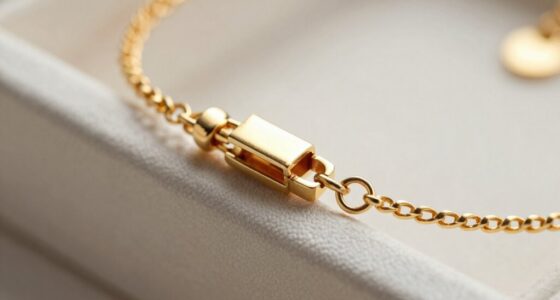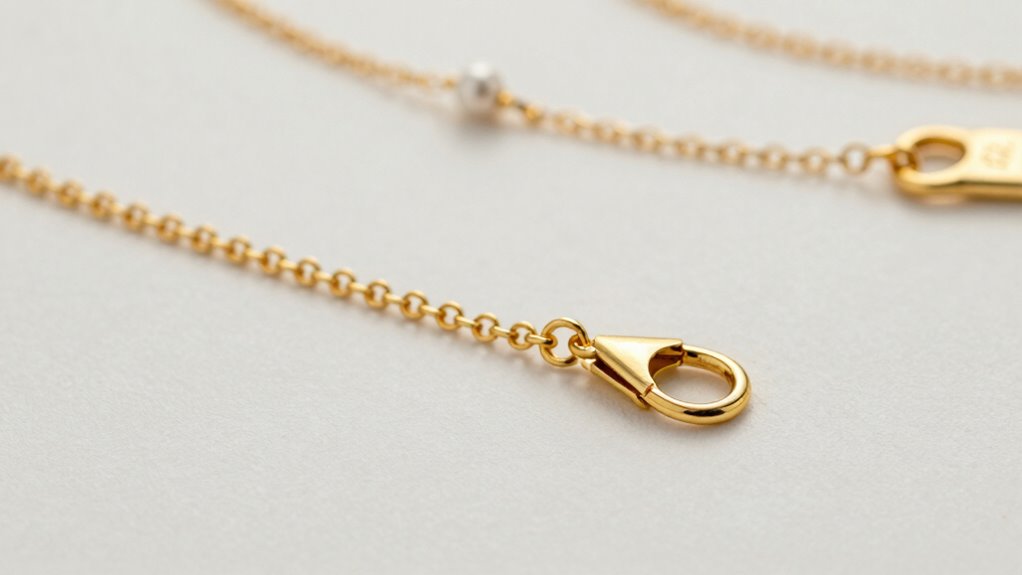
To avoid weak links in simple jewelry designs, focus on selecting durable materials like stainless steel, titanium, or strong alloys, and guarantee links are thick enough for added strength. Reinforce stress points with techniques like extra welds or double linking, and choose fused or crimped connections over soldered ones. Regularly inspect your jewelry for signs of cracks or deformation, and educate yourself on metal fatigue. Keep these tips in mind, and you’ll create safer, longer-lasting pieces—more details await those who continue exploring.

Get business pricing on tools and workshop supplies
- Business-only prices and quantity discounts
- Tax-exempt purchasing
- Multiple users, one account, clear invoices
Key Takeaways
- Use high-quality, durable metals like stainless steel or titanium for stronger links.
- Opt for thicker links and well-designed shapes to evenly distribute stress.
- Reinforce stress points with additional welds or double-linking techniques.
- Regularly inspect jewelry for signs of fatigue, cracks, or deformation.
- Choose secure fastening methods, such as fused or crimped links, over soldered joints.
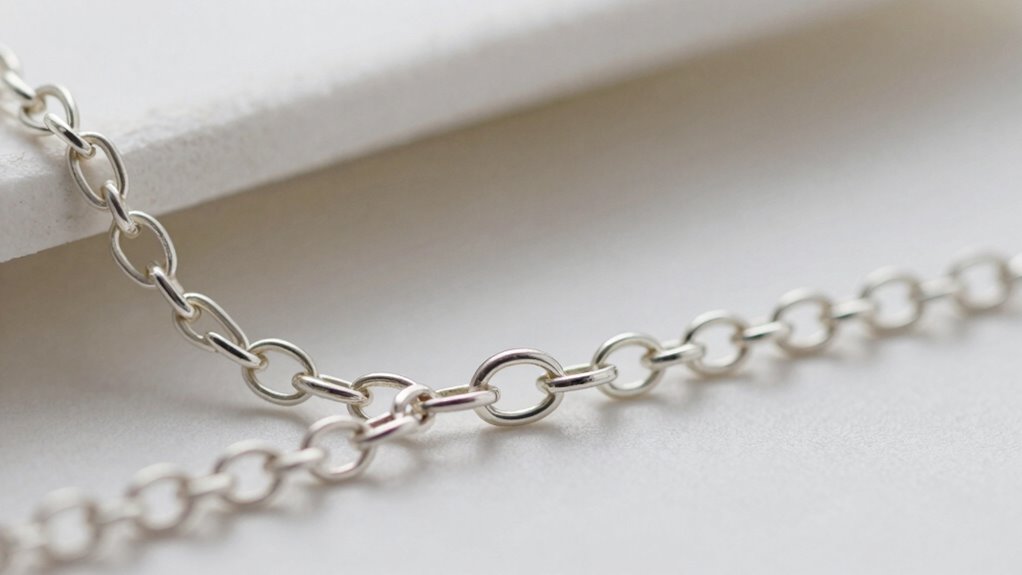
When creating simple jewelry designs, it’s easy to overlook the importance of strong links, but their strength is essential for durability and safety. Weak links can cause your jewelry to break unexpectedly, which not only frustrates your customers but can also lead to lost items or even injuries. One common culprit behind weak links is metal fatigue. Over time, even the best-quality metal can weaken due to repeated stress, bending, or exposure to elements like moisture and chemicals. Metal fatigue makes the links more prone to cracking or snapping, especially if they aren’t reinforced properly. To prevent this, you need to focus on chain reinforcement. Reinforcing your chains involves choosing the right materials, ensuring proper thickness, and employing techniques that enhance the overall strength of each link.
Strong links are vital for jewelry durability and safety, preventing breakage caused by metal fatigue and stress.
Start by selecting high-quality metals that resist fatigue and corrosion. Stainless steel, titanium, and certain durable alloys are excellent choices because they hold up better over time. Avoid cheaper metals or plated finishes that can wear down quickly, exposing weaker underlying layers. When designing, pay close attention to the thickness of the links; thicker links naturally provide greater strength and are less likely to deform or crack under stress. But don’t just rely on size—consider the shape and connection points. Properly shaped links distribute stress evenly, reducing the chances of developing stress concentration points that can lead to metal fatigue. Additionally, understanding the effects of metal fatigue can help you better prevent weak links in your designs. Recognizing how cyclic stress impacts metal in jewelry can further aid in creating more durable pieces.
Chain reinforcement extends beyond just choosing the right materials. Techniques such as double-linking or adding extra welds at critical stress points can dramatically improve overall strength. For example, reinforcing the joints where links connect prevents them from separating under tension. Also, consider using crimped or fused links instead of just soldered ones, as they create a more robust connection. Regularly inspecting your jewelry is equally important; look for signs of stress, tiny cracks, or deformation that could indicate developing metal fatigue. Address these issues early by replacing or reinforcing affected links before they fail completely. Incorporating metal fatigue testing into your quality control process can help identify potential weak points before they become problematic. Moreover, educating yourself about metal fatigue and its effects can help you develop better preventative strategies.
Ultimately, understanding how metal fatigue impacts your jewelry and taking steps to reinforce your chains guarantees your designs are both beautiful and durable. Proper chain reinforcement not only prolongs the lifespan of your jewelry but also provides peace of mind for your customers, knowing that their pieces are safe and reliable. So, invest in quality materials, employ effective reinforcement techniques, and keep a close eye on your work—these steps will help you avoid weak links and create jewelry that lasts.
As an affiliate, we earn on qualifying purchases.
Frequently Asked Questions
What Tools Are Best for Inspecting Jewelry Links?
You should use a jeweler’s loupe or magnifying glass to inspect jewelry links closely. These tools help you check chain durability and clasp security by revealing tiny cracks or weak spots. A pair of fine-tipped tweezers also aids in handling delicate links without damage. Regular inspections with these tools guarantee your jewelry stays sturdy, preventing breakage and maintaining overall strength, especially in high-stress areas like clasps and connecting links.
How Often Should I Check My Jewelry for Weak Links?
You should check your jewelry for weak links at least once a month. Did you know that jewelry can weaken over time due to everyday wear? Regular inspections help catch issues early. Use gentle cleaning techniques like warm soapy water, and store your pieces properly to prevent damage. Proper storage tips, such as keeping jewelry in separate compartments, reduce stress on links and keep your pieces looking their best longer.
Can I Repair Weak Links Myself Safely?
Yes, you can repair weak links yourself, but always follow DIY repair tips carefully. First, wear protective gloves and work in a well-lit area to guarantee safety. Use proper tools like pliers, and avoid forcing or twisting the jewelry. Remember, jewelry safety precautions are essential; if you’re unsure or the damage is severe, it’s best to consult a professional jeweler to prevent further damage.
What Materials Are Most Prone to Weakening Over Time?
Materials like soft gold, silver, and copper are most prone to weakening over time due to material fatigue and corrosion. You should be cautious with these, especially if they lack good corrosion resistance. Over time, exposure to moisture and chemicals accelerates their degradation. To keep your jewelry sturdy, choose materials with high corrosion resistance, like stainless steel or platinum, and avoid prolonged exposure to harsh environments, which can weaken even the strongest links.
How Does Environmental Exposure Affect Jewelry Link Strength?
Imagine wearing a silver necklace on a humid day, and over time, the links weaken due to environmental factors. Environmental exposure accelerates material degradation, especially when jewelry encounters moisture, sweat, or chemicals. These factors cause corrosion or tarnishing, reducing link strength. To prevent this, keep jewelry dry and store it properly. Regular cleaning and choosing resistant materials can help maintain the integrity of your jewelry links over time.
As an affiliate, we earn on qualifying purchases.
Conclusion
Now that you know the secrets to strengthening your jewelry, the real challenge begins: will your next design withstand the test of time? Remember, even the smallest weak link can lead to unexpected failures. Stay vigilant, choose quality materials, and don’t rush the process. The question is—are you ready to craft pieces that not only shine but endure? The key to flawless jewelry is in your hands—will you take the risk?
As an affiliate, we earn on qualifying purchases.
As an affiliate, we earn on qualifying purchases.
Fall yard work Picks
leaf blowers
As an affiliate, we earn on qualifying purchases.