Good lighting is often the most overlooked tool in any craft room, yet it’s essential for precision, color accuracy, and reducing eye strain. Properly placed, adjustable lights can brighten your workspace and make details pop, ensuring your projects turn out just right. Without it, you risk mistakes and fatigue. Investing in quality, well-positioned lighting transforms your space into an inspiring and efficient area. Keep going to discover how to optimize your craft lighting for the best results.
Key Takeaways
- Proper lighting eliminates shadows and enhances visibility for detailed crafts, improving accuracy and reducing eye strain.
- Adjustable, high-CRI bulbs ensure true color perception, vital for color-matching and detailed work.
- Strategic lamp placement and brightness control create a versatile workspace, boosting productivity and comfort.
- Poor lighting setup can cause glare, shadows, and mistakes, making good light an essential, often overlooked tool.
- Thoughtful lighting design fosters creativity, extends fixture lifespan, and elevates overall crafting quality.
adjustable craft room LED lighting
As an affiliate, we earn on qualifying purchases.
As an affiliate, we earn on qualifying purchases.
Why Proper Lighting Enhances Crafting Precision

Proper lighting is essential for crafting because it helps you see details clearly and work accurately. When your workspace is well-lit, you can focus on fine lines, intricate patterns, and small components without straining your eyes. Good lighting also enhances crafting ambiance, making your space more inviting and motivating. Lighting aesthetics matter because the right light can set the mood and improve your overall experience. Bright, natural light or high-quality artificial lighting minimizes shadows and reduces eye fatigue, ensuring you stay precise and productive. When your craft room has the proper lighting, every cut, stitch, and detail becomes sharper. Additionally, understanding the importance of free floating lighting options can help create a flexible and well-illuminated workspace. Incorporating lighting control systems allows you to adjust brightness and color temperature to match your needs and preferences, further enhancing your crafting environment. Using environmentally friendly lighting options can also help reduce energy consumption and promote sustainability. Implementing adjustable lighting solutions can optimize your workspace for different tasks and times of day. Proper lighting is also a key factor in lighting placement, which influences how evenly your space is illuminated and minimizes shadows. Ultimately, good lighting transforms your workspace into an efficient environment that supports your craftsmanship with clarity and comfort.
high CRI task lighting for crafting
As an affiliate, we earn on qualifying purchases.
As an affiliate, we earn on qualifying purchases.
The Impact of Light on Color Accuracy and Detail

Lighting plays a significant role in how accurately you perceive colors and details in your craft projects. The difference in light temperature can dramatically affect your work’s color fidelity, making it appear warmer or cooler. Natural light, with its balanced spectrum, provides the most accurate color representation, helping you distinguish subtle shades and fine details. Natural daylight is especially beneficial for color-sensitive tasks, making it easier to achieve precise results. Artificial lighting, however, varies in quality; some bulbs emit a yellowish or bluish hue that can distort colors and obscure small elements. To guarantee precision, choose light sources with a high Color Rendering Index (CRI) and consistent light temperature, ideally around 5000K to mimic natural daylight. Consistent lighting ensures you see true colors and intricate details, minimizing visual distortion, thereby enhancing the overall quality and accuracy of your craft work. Proper lighting placement, including lighting position, can reduce shadows and glare, further improving your ability to work with fine details.
natural daylight LED bulbs for craft room
As an affiliate, we earn on qualifying purchases.
As an affiliate, we earn on qualifying purchases.
Common Lighting Mistakes That Can Sabotage Your Projects

Are you unknowingly making lighting mistakes that can ruin your craft projects? Poor lamp placement or incorrect bulb selection can cast shadows, cause eye strain, and distort colors. For example, placing a lamp too far away reduces brightness, making details hard to see. Using bulbs with the wrong color temperature can alter your project’s true colors. Additionally, neglecting proper color accuracy can compromise the overall appearance of your work. Ensuring your lighting setup incorporates energy-efficient technology not only benefits your workspace but also aligns with sustainable practices. Paying attention to lighting ergonomics can further reduce fatigue and improve comfort during extended crafting sessions. Proper light distribution is essential to avoid uneven illumination that can lead to mistakes or frustration.
artificial lighting for detailed crafts
As an affiliate, we earn on qualifying purchases.
As an affiliate, we earn on qualifying purchases.
Tips for Choosing the Right Lighting for Your Craft Space
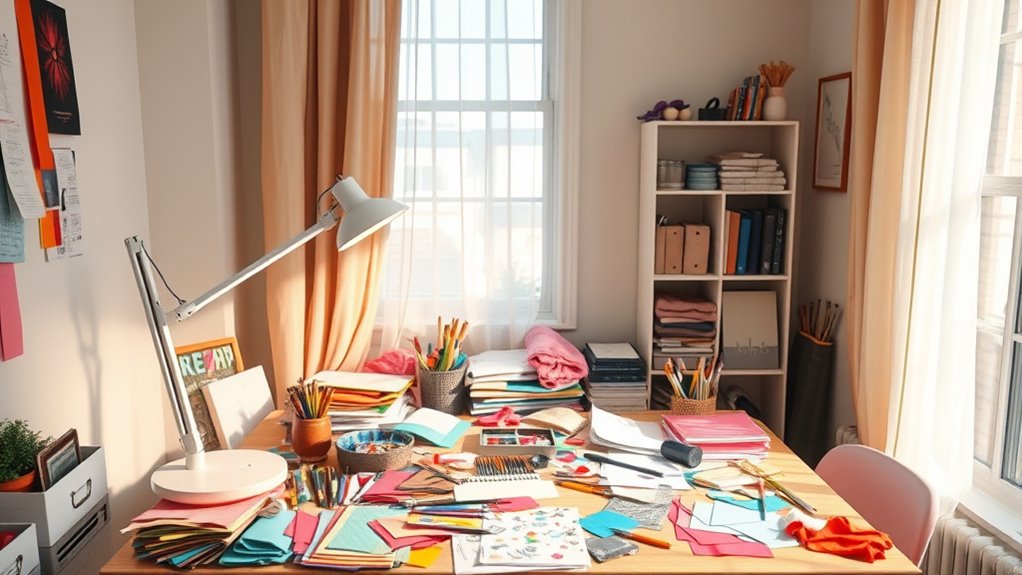
When selecting lighting for your craft space, focus on brightness and clarity to see details clearly. Color accuracy is essential so your projects look true to life, especially with vibrant or subtle shades. Don’t forget adjustable options, which let you customize the light to suit different tasks and times of day. Additionally, considering lighting efficiency can help reduce energy use while maintaining optimal visibility. Implementing energy‑saving lighting technology can further enhance your setup by providing bright, efficient illumination without increasing your electricity bills. Incorporating appropriate color temperature can also improve how colors appear under your lighting, making your crafting process more accurate and enjoyable. Paying attention to lighting ergonomics ensures comfort during long crafting sessions and reduces eye strain. Remember that lighting quality directly influences how well you can see fine details and reduce eye fatigue over extended periods.
Brightness and Clarity
Choosing the right lighting for your craft space is essential to guarantee you see your work clearly and accurately. Brightness directly impacts your ability to distinguish fine details, so aim for a well-balanced lighting ambiance that isn’t too harsh or dim. Look for fixtures that provide ample illumination without causing glare or shadows, which can distort your view. Energy efficiency matters too—LED lights are a smart choice because they deliver bright, clear light while consuming less power. Adjustability is also key; having lights you can dim or focus allows you to tailor the brightness to different tasks. Incorporating lighting quality that supports consistent and accurate color rendering can help you achieve better results in your projects. Ultimately, the goal is to create a space where you can work comfortably for long periods without straining your eyes or compromising precision.
Color Accuracy Matters
Since color accuracy is crucial for true-to-life results, selecting lighting that reveals the true hues of your materials is essential. Proper lighting ensures accurate color contrast, so your projects look exactly as intended. Pay attention to light temperature; a neutral or daylight-balanced bulb (around 5000K) provides the most accurate color rendering. Avoid bulbs with a yellowish tint, which can distort colors and hinder your ability to match shades precisely. Here are some tips to achieve better color accuracy:
- Choose bulbs with high CRI (Color Rendering Index) ratings (90+)
- Use daylight or neutral white light for true color representation
- Test lighting in your space before committing to a specific bulb type
- Incorporating AI-driven lighting solutions can further optimize color accuracy in your craft space. Additionally, understanding credit card processing security measures can help protect your payment data if you sell your crafts online. Good lighting helps you make confident decisions about color, leading to professional-looking results.
Adjustable Lighting Options
Selecting adjustable lighting options allows you to customize your craft space to suit different projects and tasks. Proper lamp placement ensures you eliminate shadows and brighten specific areas as needed. Position lamps above workbenches or near detailed workstations for ideal visibility. When choosing bulbs, opt for adjustable brightness levels and color temperatures to match your project requirements. Dimmable fixtures give you control over light intensity, helping reduce eye strain and improve precision. Consider task lights with flexible arms for direct illumination and ambient lighting to create a comfortable atmosphere. By thoughtfully selecting lamp placement and bulb options, you can create a versatile, well-lit craft space that adapts seamlessly to any project.
Creative Lighting Ideas to Brighten and Inspire Your Room

To truly brighten your craft room and spark your creativity, innovative lighting solutions can make a significant difference. Creative lighting adds inspiring illumination that energizes your workspace and fuels your projects. Consider installing string lights with warm bulbs for a cozy atmosphere or using adjustable LED panels to customize brightness levels. Incorporate task lamps with flexible arms for focused work and highlight your favorite art or supplies with small accent lights. You might also explore colored or dimmable options to change the mood based on your mood or project. These creative lighting ideas not only improve visibility but also elevate the room’s ambiance, making your craft space more inviting and inspiring. Embrace these innovative lighting solutions to turn your craft room into a truly motivating environment.
How to Adjust and Maintain Your Lighting for Optimal Use

To keep your craft room lighting at its best, you need to focus on proper light placement so every workspace is well-lit without shadows. Regularly checking your lights guarantees they’re functioning correctly and provides a chance to adjust for changing needs. Small tweaks and routine maintenance make a big difference in creating a comfortable, efficient environment.
Proper Light Placement
Proper light placement is essential for creating an effective and comfortable craft room environment. You want your light sources positioned to minimize shadows while providing ample brightness. Start by placing your lamps where they can evenly illuminate your work area, avoiding direct glare. Focus on strategic lamp placement to ensure consistent lighting and reduce shadow mitigation issues. Adjust your light angles so that no area is left dark or overly shadowed, especially where detailed work occurs. Keep lights at an appropriate height to prevent eye strain. Regularly check that your lighting remains well-positioned as you move or reorganize your space. Remember, good light placement enhances visibility and comfort, making your craft projects easier and more enjoyable.
- Position lamps behind or to the sides of your workspace for even illumination
- Use adjustable lamps to fine-tune angles and shadow mitigation
- Maintain a consistent height to prevent glare and uneven lighting
Regular Lighting Checks
Regularly checking your craft room lighting guarantees it stays effective and comfortable over time. Regular lighting maintenance helps you spot issues early, such as flickering bulbs or dim spots, ensuring peak visibility. Keep an eye on bulb lifespan and replace bulbs before they burn out completely to avoid disruptions. Clean fixtures and diffusers during inspections to maximize light output. Adjustments may be necessary if your work area shifts or if you notice shadows or uneven lighting. Staying proactive prevents eye strain and enhances your workspace efficiency. By making routine checks part of your craft room maintenance, you ensure consistent, quality lighting that supports your creativity and comfort. Proper upkeep extends the life of your lighting setup and keeps your craft room bright and inviting.
Frequently Asked Questions
How Does Lighting Affect the Longevity of Craft Materials?
Lighting impacts the longevity of your craft materials by causing UV damage and color fading over time. If you don’t use proper lighting, your projects may lose vibrancy faster and materials could deteriorate. To protect your work, you should guarantee your craft room has good, UV-filtered light. This way, you preserve the quality and appearance of your crafts, keeping them looking fresh and vibrant longer.
Can Natural Light Harm Certain Craft Supplies Over Time?
Yes, natural light can harm certain craft supplies over time due to UV damage. Prolonged light exposure causes colors to fade and materials to weaken, especially paper, fabric, and paints. To protect your projects, limit direct sunlight and consider using UV-filtering windows or covers. Being mindful of light exposure helps preserve the quality and longevity of your craft supplies and finished pieces.
What Are Cost-Effective Lighting Options for Large Craft Spaces?
You should consider using LED strips and task lamps for cost-effective lighting in large craft spaces. LED strips offer even, bright illumination across wide areas and are affordable to install and run. Task lamps provide focused light where you need it most, helping with detailed work. Combining these options creates a well-lit environment without breaking the bank, making your craft room functional and cozy.
How Do I Prevent Glare From Overhead Lighting in My Craft Area?
To prevent glare from overhead lighting in your craft area, focus on glare reduction techniques. Install light diffusers to soften harsh light and spread it evenly across your workspace. You can also position fixtures away from your direct line of sight and use adjustable lighting options to control brightness. Combining these strategies helps create a comfortable environment, reducing eye strain and improving your overall crafting experience.
Are There Specific Light Bulbs Recommended for Delicate Craft Projects?
Think of your craft lighting like a painter’s palette—crucial for color accuracy. You should choose LED bulbs with a high color rendering index (CRI) and a warm color temperature, around 2700K to 3000K. These bulbs offer soft, natural light that reveals true colors without harsh shadows, perfect for delicate projects. Investing in good LED bulbs guarantees your workspace stays bright, clear, and true to life.
Conclusion
Think of your craft room like a garden at dawn—you need the right light to make every bloom stand out. When you choose good lighting, you’re tending to your creative landscape, helping your ideas bloom with clarity and color. Neglect it, and your projects might wither in the shadow. So, keep your lighting bright and balanced, and watch your crafts flourish like a well-tended garden, vibrant and full of life.