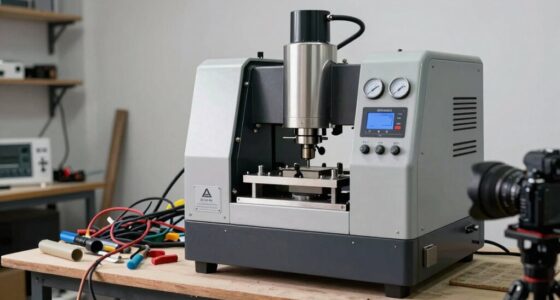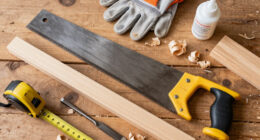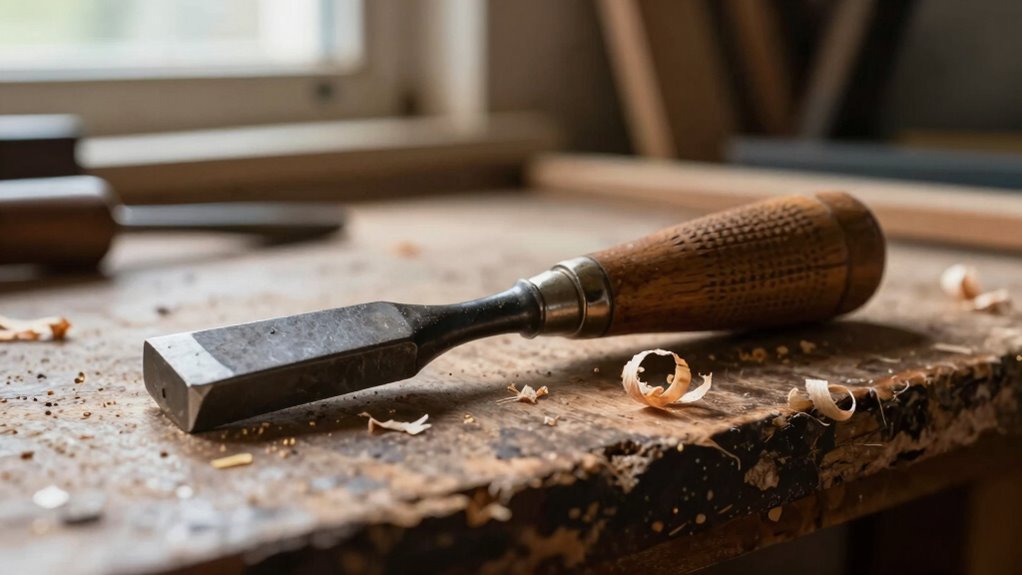

Many beginners think craftsmanship is about making things perfect right away, but it’s really about understanding processes, practicing patience, and improving over time. They often overlook that mastery comes from learning through mistakes and refining techniques, not just immediate results. Focusing solely on perfection can lead to frustration. If you keep exploring, you’ll discover that true craftsmanship is a continuous journey of growth and learning, not just a flawless finish.

Get business pricing on tools and workshop supplies
- Business-only prices and quantity discounts
- Tax-exempt purchasing
- Multiple users, one account, clear invoices
Key Takeaways
- Believing craftsmanship is about perfect, flawless results rather than understanding the process and learning from mistakes.
- Assuming natural talent is essential, instead of recognizing skill is developed through deliberate practice.
- Focusing solely on the final product rather than honing techniques and understanding materials.
- Thinking craftsmanship is about speed or shortcuts, ignoring the importance of patience and deliberate effort.
- Overlooking the significance of material selection and how it impacts durability and aesthetics.

Have you ever thought that craftsmanship is just about making things perfectly? If so, you’re missing a bigger picture. Craftsmanship isn’t solely about flawless execution; it’s also about understanding the processes behind creating something meaningful and durable. Many beginners believe that if their work isn’t perfect immediately, they’re doing it wrong. But true craftsmanship involves learning patience, refining skills, and mastering techniques like precision techniques and material selection. These elements are fundamental, yet often misunderstood at the start.
When you focus on precision techniques, you might think it’s just about making your work look neat or symmetrical. While appearance matters, precision techniques are about controlling every detail, understanding how tools and methods influence your project, and ensuring consistency. For example, in woodworking, precision isn’t only about straight cuts but also about understanding the grain of the wood, how it reacts to humidity, or how to measure accurately. It’s about developing a skill set that allows you to execute your vision with confidence, rather than just rushing to finish. Recognizing the importance of technique mastery can help you approach your projects with a more deliberate mindset. Developing this mastery involves understanding fundamental concepts such as the properties of your materials, which greatly influence your work. Building this foundational knowledge is essential for achieving true craftsmanship, as it allows you to make informed decisions throughout your process.
Material selection is another critical aspect that many beginners overlook. Instead of choosing the right material for the job, they might pick whatever is most convenient or cheapest. But craftsmanship requires understanding your materials—how they behave, their strengths, weaknesses, and best uses. Using the right materials can elevate your work and make it more durable, functional, and aesthetically pleasing. For example, selecting the appropriate type of wood or metal isn’t just about appearance; it’s about ensuring the final product can withstand wear, environmental factors, or specific use cases. Many successful craftsmen emphasize the importance of material understanding in their practices, highlighting how it influences both process and outcome. Developing a strong grasp of material properties can greatly improve your ability to choose the best options for your projects and enhance your craftsmanship.
Many newcomers also believe that craftsmanship is a natural talent, something you’re born with. In reality, it’s a skill that develops through practice, patience, and learning from mistakes. Mastering precision techniques and making informed material choices take time and deliberate effort. It’s about paying attention to details others might overlook and understanding that setbacks are part of the journey. Good craftsmanship isn’t just about the end product; it’s about the process and the knowledge you gain along the way.
In essence, craftsmanship isn’t about achieving perfection immediately. It’s about embracing continuous improvement, honing your skills, and understanding the depth of your materials and techniques. Developing an intentional approach to your work helps you focus on progress rather than perfection. When you shift your focus from instant perfection to mastery, your work becomes more authentic and meaningful. That’s what truly separates a beginner from a skilled craftsman.
As an affiliate, we earn on qualifying purchases.
Frequently Asked Questions
How Long Does True Craftsmanship Typically Take to Develop?
True craftsmanship typically takes years of consistent practice and dedicated skill development. You’ll notice progress when you practice regularly, focusing on honing your techniques and learning from mistakes. Everyone’s journey is different, but persistence is key. By staying committed and practicing consistently, you’ll gradually develop mastery. Remember, craftsmanship isn’t about quick results; it’s about continuous improvement over time, turning effort into genuine skill.
Can Anyone Learn Craftsmanship Without Natural Talent?
Absolutely, you can learn craftsmanship without innate talent or natural ability. While some might have an edge initially, dedication, practice, and patience matter more. Anyone willing to put in consistent effort can develop skills and craftsmanship over time. Don’t let the myth of natural talent discourage you. With focus and perseverance, you’ll find that mastery comes through learning, experience, and a genuine passion for your craft, not just innate talent.
Is Formal Education Necessary to Become a Skilled Craftsperson?
While formal training isn’t strictly essential, it can markedly enhance your craftsmanship, providing structured guidance and recognized skill certification. You might find that hands-on experience, self-study, and mentorship often serve as effective alternatives. However, pursuing formal education can open doors, refine techniques, and validate your expertise, making your journey smoother. Ultimately, your dedication and continuous learning determine your mastery more than the path you choose.
How Important Is Patience in Mastering a Craft?
Patience is essential in mastering a craft because it fuels your skill development and nurtures creative patience. When you’re patient, you allow yourself to learn from mistakes and refine your techniques without frustration. Rushing through progress hampers growth, but taking your time helps you build a solid foundation. Remember, mastery isn’t instant—embrace patience to develop true craftsmanship, and you’ll produce work that’s both skilled and heartfelt.
What Common Misconceptions Do Beginners Have About Craftsmanship Tools?
You might think craftsmanship tools are all about fancy, modern gadgets, but many beginners overlook the value of traditional techniques. They assume modern tools automatically make work easier, forgetting that mastering the basics with traditional tools develops your skills and eye for detail. Combining both, you’ll refine your craft more effectively. Don’t dismiss the old methods; they often teach patience and precision that modern tools can’t replace.
As an affiliate, we earn on qualifying purchases.
Conclusion
Remember, craftsmanship isn’t about perfection but passion and patience. You might think it’s about rushing to finish or getting everything just right instantly, but it’s more like tending a garden—you nurture, refine, and grow with time. Embrace mistakes as lessons and stay committed to learning. When you do, you’ll find that craftsmanship becomes a journey of continuous improvement, shaping your skills into something as refined as a polished gemstone.
material testing tools for craftsmen
As an affiliate, we earn on qualifying purchases.
As an affiliate, we earn on qualifying purchases.
As an affiliate, we earn on qualifying purchases.
Fall yard work Picks
leaf blowers
As an affiliate, we earn on qualifying purchases.