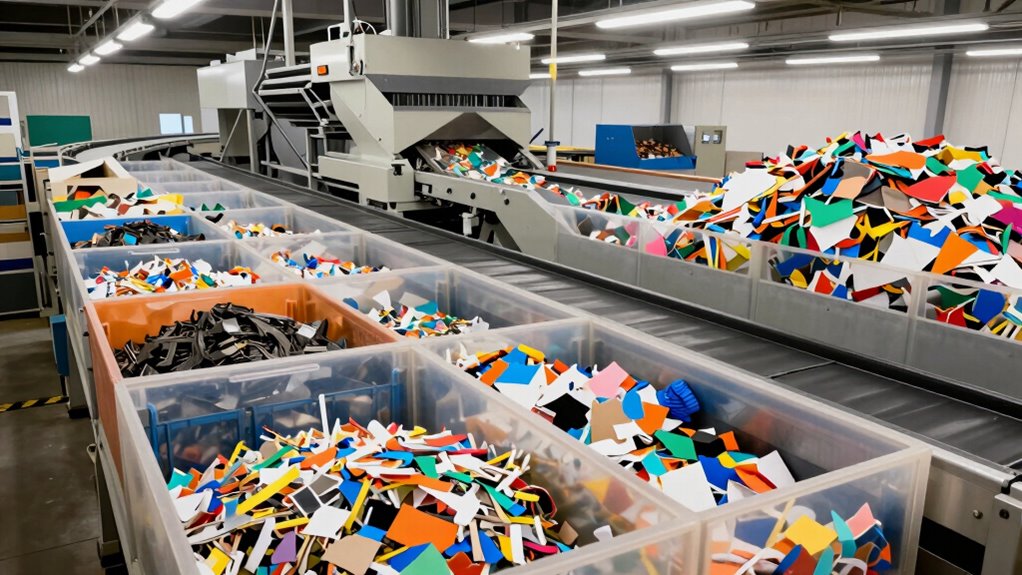

By sorting your scraps into compost, recyclables, and trash, you turn waste into valuable resources and help the environment. Use labeled bins to separate vegetable peels, coffee grounds, plastics, and other materials, making waste management simple and effective. This system reduces landfill waste, conserves natural resources, and promotes sustainability. Continuing with this approach will show you how small changes can make a big environmental difference in your daily life.

Get tools and workshop supplies delivered free — and shop member deals
- Fast, free delivery on millions of items
- Access to Prime Big Deal Days deals on October 6–7
- Prime Video, Amazon Music and more included
Key Takeaways
- Implement a home sorting system with separate bins for compostables, recyclables, and trash to effectively repurpose scraps.
- Compost organic waste like vegetable peels and coffee grounds to create nutrient-rich soil for gardening.
- Recycle materials such as plastics, metals, and paper to conserve resources and reduce landfill waste.
- Proper sorting prevents contamination, ensuring scraps are transformed into useful products rather than waste.
- Small organizational changes in waste management promote sustainability and make scraps valuable resources.
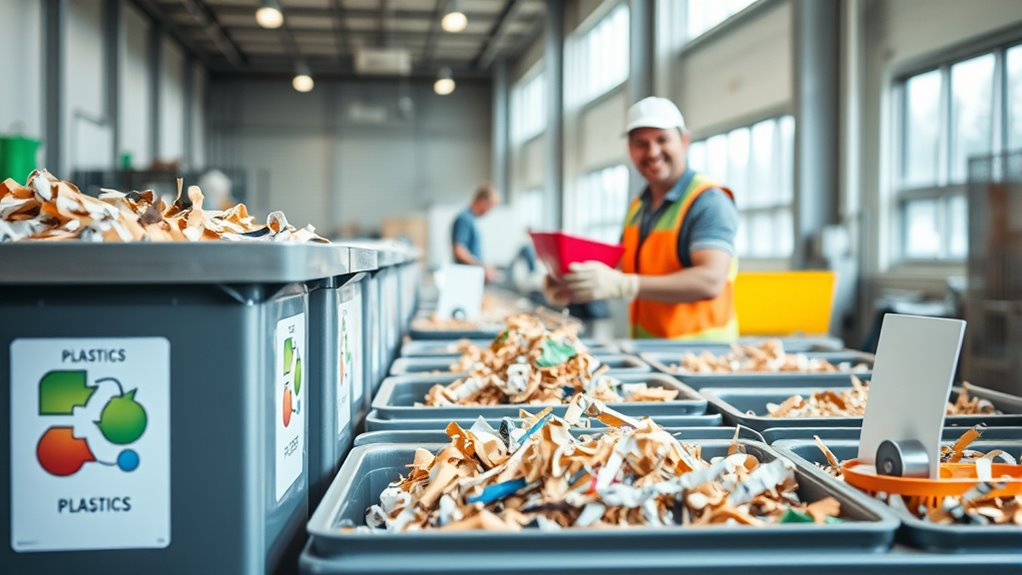
Many scraps and leftover materials often end up in the trash, but with a little effort, you can turn them into useful items instead. By adopting a sorting system, you can markedly reduce waste and give your scraps a new purpose. One of the most straightforward ways to do this is through composting, which offers numerous benefits. Composting transforms organic waste like vegetable peels, coffee grounds, and eggshells into nutrient-rich soil, enriching your garden naturally. Not only does this reduce the amount of trash sent to landfills, but it also improves soil health, leading to healthier plants and better harvests. You’ll find that composting benefits extend beyond your garden; it helps lower methane emissions from organic waste decomposition in landfills, contributing to a healthier environment overall.
However, composting isn’t the only recycling option available. Sorting your scraps enables you to separate recyclable materials such as plastics, metals, and paper from non-recyclable waste. Many cities and recycling programs accept specific types of plastics, glass jars, aluminum cans, and paper products, so it’s worth familiarizing yourself with local guidelines. When you sort your scraps properly, you ensure they’re processed correctly, preventing contamination that can make recycling efforts ineffective. Recycling options like these help conserve natural resources, save energy, and reduce the need for raw material extraction. Plus, by actively participating in recycling, you’re minimizing the amount of waste that ends up in landfills, which is better for the environment and reduces your ecological footprint.
You can create a simple sorting system at home using separate bins for compostables, recyclables, and trash. Label each container clearly, and make it easy to deposit scraps directly into the appropriate bin. For example, vegetable scraps go into the compost bin, while plastic containers and paper go into recycling. This system not only simplifies waste management but also encourages you to be more mindful of what you discard. Over time, you’ll notice a decrease in your overall waste and an increase in useful by-products like compost, which can be used to enrich garden soil or potted plants. Additionally, understanding local waste management practices can further enhance your recycling efficiency and sustainability efforts. This approach makes waste reduction practical and accessible, empowering you to make sustainable choices daily.
In the end, adopting a sorting system for scraps is a simple yet impactful step toward sustainability. It allows you to leverage composting benefits while exploring recycling options, turning what once seemed like trash into valuable resources. With a little organization and awareness, you can markedly cut down on waste, support environmental health, and even save money on soil amendments and waste disposal. Making these small changes in how you handle scraps can lead to a more eco-friendly lifestyle that benefits you and the planet alike.
As an affiliate, we earn on qualifying purchases.
Frequently Asked Questions
How Can I Start Implementing a Sorting System at Home?
You can start implementing a sorting system at home by setting up separate bins for recyclables, compost, and trash. Educate yourself on local recycling challenges to guarantee proper disposal, and encourage everyone in your household to participate in waste reduction. Label each bin clearly, and establish a routine for sorting waste. This approach makes recycling easier, reduces waste, and helps you contribute to environmental conservation.
What Types of Scraps Are Most Valuable for Recycling?
You should focus on recycling materials like paper, cardboard, plastics, metals, and glass, as these are the most valuable scraps for recycling. Proper scrap segregation guarantees these materials stay clean and sorted, making recycling more efficient. By identifying and separating these recyclable scraps at home, you help reduce waste and support the recycling process. Keep a designated bin for each type to make scrap segregation simple and effective.
Are There Specific Tools Needed for Efficient Sorting?
You’ll need specific sorting tools like gloves, scoopers, and labels to efficiently sort scraps. Use recycling bins designated for different materials—plastic, metal, paper—to keep the process organized. These tools help you quickly separate scraps, reduce contamination, and streamline recycling. Investing in quality sorting tools makes your process more effective, saves time, and guarantees that each material is properly prepared for recycling, maximizing the value of your scraps.
How Does Sorting Scraps Benefit the Environment Long-Term?
Sorting scraps benefits the environment long-term by promoting composting benefits and waste reduction. When you sort your scraps, you turn organic waste into nutrient-rich compost instead of letting it clutter landfills. This reduces methane emissions and conserves resources, helping ecosystems thrive. By actively sorting, you’re making a positive impact on the planet, supporting sustainable practices, and creating a healthier environment for future generations.
Can Small Businesses Adopt This System Effectively?
Yes, small businesses can adopt this system effectively. Imagine turning waste into opportunity instead of trash. By implementing a simple sorting system, you can improve waste reduction strategies and create sustainable packaging options. It may seem challenging at first, but the long-term savings and environmental benefits outweigh the effort. Start small, train your team, and watch how this approach transforms your business into an eco-friendly leader.
As an affiliate, we earn on qualifying purchases.
Conclusion
So, start sorting scraps with savvy, simple steps, saving each snippet instead of sending it to waste. With mindful movement and a little more care, you can turn trash into treasure, transforming clutter into creative catalysts. By embracing this easy effort, you’ll foster a future where scraps serve as sustainable solutions, sparking a cycle of reuse and renewal. Together, let’s make your mess manageable, mindful, and magnificent—because every piece has potential waiting to be discovered.
kitchen waste separation containers
As an affiliate, we earn on qualifying purchases.
As an affiliate, we earn on qualifying purchases.
As an affiliate, we earn on qualifying purchases.
Fall yard work Picks
leaf blowers
As an affiliate, we earn on qualifying purchases.