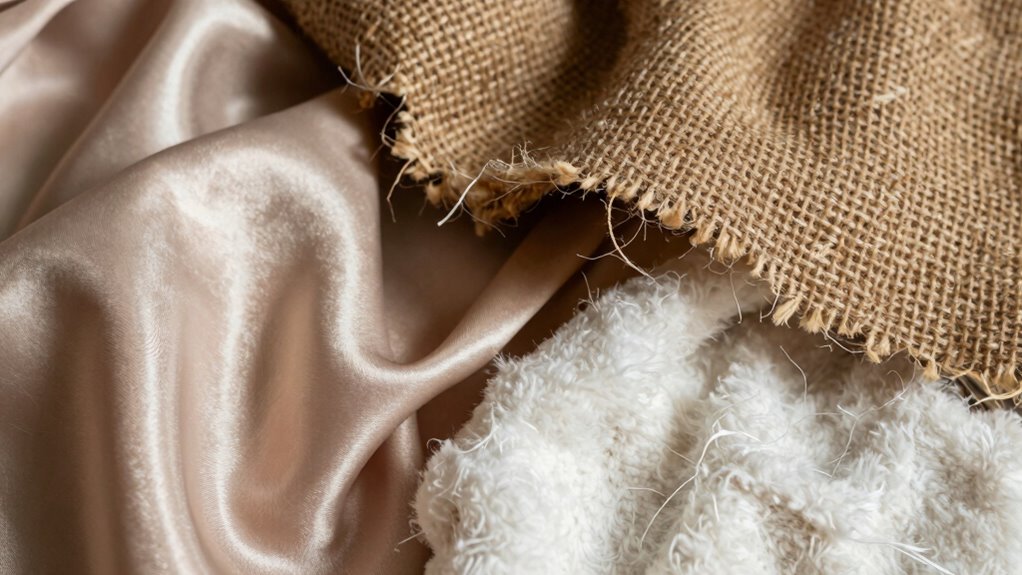

Some fabrics fight you from the start because of their texture, chemical treatments, or lack of breathability, which can cause immediate irritation, redness, or itching. Synthetic materials like polyester trap heat and moisture, making them uncomfortable fast. Coarse or chemically treated fibers can also trigger allergies or skin sensitivities right away. Understanding these factors helps you avoid fabrics that cause quick discomfort. Keep going to discover more tips on how to choose skin-friendly textiles that suit you.

Get business pricing on tools and workshop supplies
- Business-only prices and quantity discounts
- Tax-exempt purchasing
- Multiple users, one account, clear invoices
Key Takeaways
- Synthetic fabrics like polyester trap heat and moisture, causing discomfort and skin irritation immediately.
- Coarse or chemically treated fabrics can irritate sensitive skin upon first contact.
- Chemical dyes and treatments in fabrics may trigger allergic reactions from the start.
- Natural fibers with oils or proteins can cause instant sensitivity or itching.
- Poor fabric durability or processing can lead to friction and skin discomfort from initial wear.
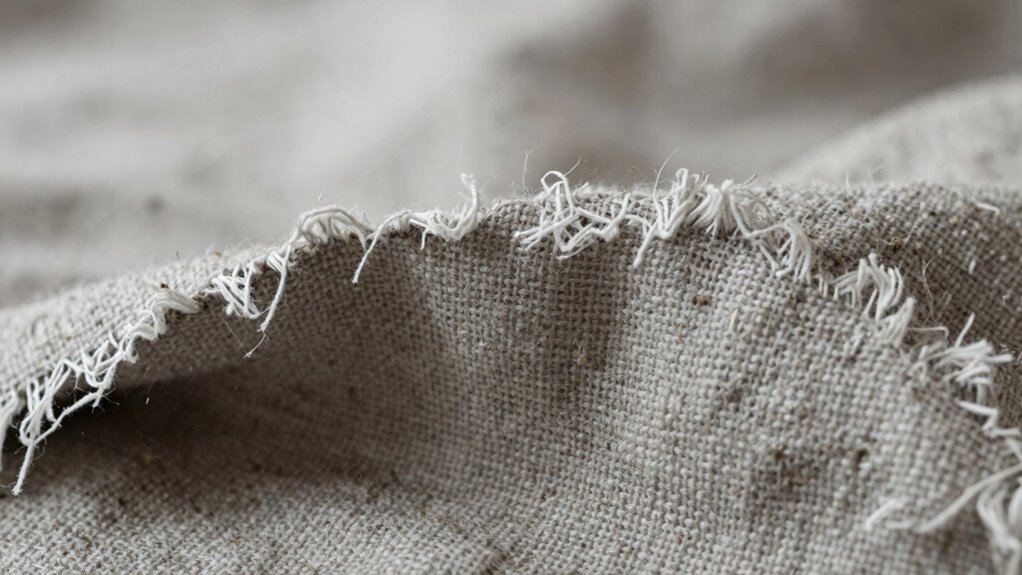
Many fabrics seem to have a mind of their own, clinging, slipping, or irritating your skin when you least expect it. You might find yourself constantly adjusting your clothing, feeling uncomfortable or itchy without understanding why. The truth is, some fabrics are just not made with your comfort in mind, and their qualities can cause immediate reactions. When you pick out a new shirt or pair of pants, the fabric’s durability and texture play a significant role in how it feels against your skin. If a fabric isn’t durable enough, it might wear out quickly, losing its shape and causing friction that irritates your skin. On the other hand, some fabrics are inherently rough or processed with chemicals that can trigger textile allergies, leading to redness, itching, or even rashes upon contact. These allergic reactions can happen instantly or develop after prolonged wear, making it clear that your skin isn’t compatible with certain materials.
The fabrics that fight you from the start often contain fibers or dyes that irritate sensitive skin. Synthetic textiles like polyester or nylon, for example, tend to trap heat and moisture, causing discomfort and sometimes allergic reactions. Natural fabrics like wool or certain untreated cottons can also be problematic—they might be too coarse or contain natural oils and proteins that trigger textile allergies. When you wear these fabrics, it’s like inviting irritation to settle right on your skin, and the discomfort can be immediate. You might notice redness, itching, or swelling, which can make wearing such fabrics an unpleasant experience. It’s not just about comfort—these reactions can also lead to long-term sensitivities if you keep exposing your skin to irritating textiles. Additionally, the presence of chemical treatments or dyes in some fabrics can intensify these reactions, further emphasizing the importance of choosing hypoallergenic fabrics for sensitive skin. Being aware of the chemical treatments used in textile manufacturing can help you make more informed choices and avoid unnecessary skin issues. Some fabrics are also designed with chemical-free processes to reduce the risk of irritation, making them a better option for sensitive skin types. Recognizing the natural fibers used in clothing can help you select more skin-friendly options and minimize irritation. Moreover, understanding the fabric manufacturing process can assist in identifying textiles less likely to cause reactions, so you can make safer choices. By paying attention to these details, you can avoid fabrics that fight you from the start and find clothing that feels good on your skin, even after hours of wear.
As an affiliate, we earn on qualifying purchases.
Frequently Asked Questions
Can Fabric Treatments Reduce Irritation From Tough Fabrics?
Yes, fabric treatments can reduce irritation from tough fabrics. Chemical coatings are applied to soften fibers and improve comfort, while moisture management treatments help wick sweat away, reducing skin irritation. These treatments make fabrics gentler on your skin and prevent chafing, especially if you have sensitive skin. By choosing fabrics with these treatments, you’ll notice less discomfort and enjoy a more comfortable wearing experience, even with initially tough materials.
Are Natural Fibers Always More Comfortable Than Synthetic Ones?
Natural fibers aren’t always more comfortable than synthetics. While they often feel softer and breathe better, some natural fabrics can be rough or cause allergies. Synthetic fabrics, treated with eco-friendly dyes or UV protection coatings, can offer comfort, durability, and added features. You should consider the fabric’s finish and treatment, not just its origin, to decide what’s most comfortable for your skin and activity.
How Do Fiber Blends Affect Fabric Comfort?
Fiber blends profoundly influence fabric comfort through their fiber composition and blending effects. When you choose a blend, you combine the best qualities of each fiber, like softness from cotton or durability from polyester. However, if the blend isn’t balanced, it can cause irritation or reduce breathability. Understanding how fiber composition and blending effects work helps you select fabrics that feel comfortable, durable, and suited to your needs.
Do Fabric Finishes Wear off Over Time?
Like a vintage record, fabric finishes can wear out over time. You might notice your favorite shirt feels less soft or less shiny, because fabric softening and coating durability diminish with repeated washing and wear. While some finishes last longer, all eventually degrade, reducing their effectiveness. To keep your fabrics feeling fresh longer, opt for gentle washing and avoid harsh detergents, helping preserve the finish’s quality and lifespan.
What Role Does Fabric Weave Play in Comfort?
Your comfort largely depends on the fabric’s weave. A tighter weave with high thread tension creates a smooth, soft surface that feels gentle against your skin. Conversely, a looser weave with lower thread tension may feel rough or stiff, causing discomfort. The weave density influences breathability and flexibility, so selecting the right balance guarantees your fabric feels comfortable from the start, reducing irritation and enhancing your overall experience.
As an affiliate, we earn on qualifying purchases.
Conclusion
Next time a fabric resists your efforts, remember you’re not alone—over 60% of people find certain materials challenging to work with. Understanding why some fabrics fight you can save frustration and time. With a little patience and the right techniques, you’ll master even the trickiest textiles. So don’t give up; your perfect project is just a few adjustments away. Keep experimenting, and soon you’ll turn those stubborn fabrics into your next great creation.
chemical-free natural fiber clothing
As an affiliate, we earn on qualifying purchases.
As an affiliate, we earn on qualifying purchases.
skin-friendly fabrics for sensitive skin
As an affiliate, we earn on qualifying purchases.
As an affiliate, we earn on qualifying purchases.
Fall yard work Picks
leaf blowers
As an affiliate, we earn on qualifying purchases.