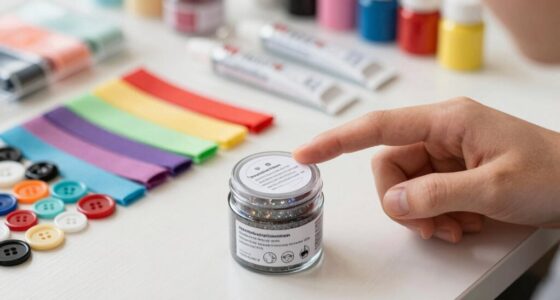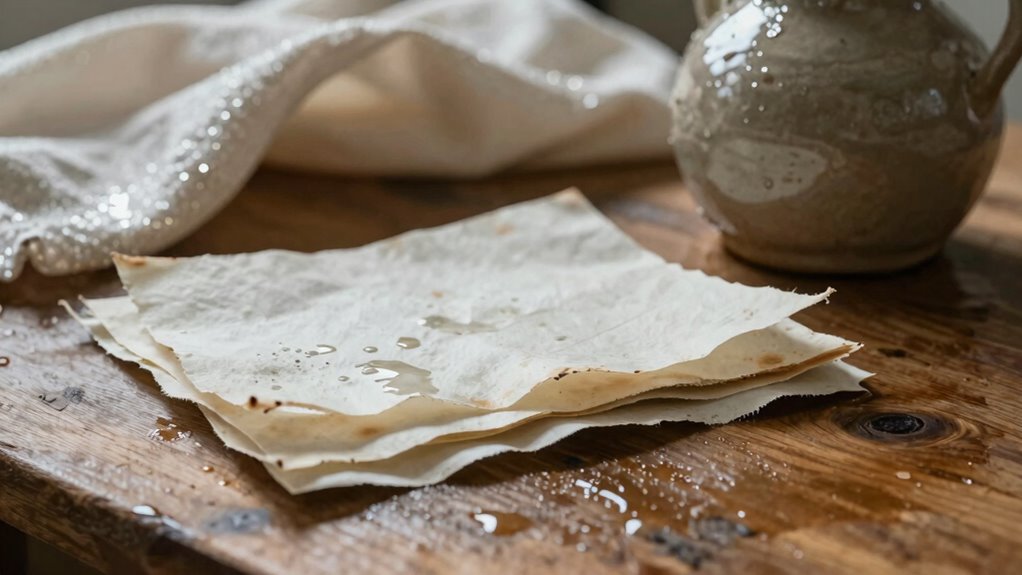
Spring humidity changes can dramatically affect your belongings, from paper warping and pages sticking to clay becoming softer, to wood swelling and fitting tighter. Increased moisture makes fabrics softer and more pliable, but it can also cause them to sag or shrink when it drops. These fluctuations can weaken or deform materials over time. If you want to protect your items and understand how to manage these effects, keep exploring how humidity impacts different materials.

Get business pricing on tools and workshop supplies
- Business-only prices and quantity discounts
- Tax-exempt purchasing
- Multiple users, one account, clear invoices
Key Takeaways
- Spring humidity fluctuations cause materials like paper, wood, clay, and fabric to expand or contract, risking damage.
- Increased moisture softens clay and fabric, improving flexibility but risking warping or sagging if excess moisture persists.
- High spring humidity can lead to warping, curling, or sticking in paper and wood, compromising their structural integrity.
- Rapid moisture changes weaken the long-term durability of materials, making proper climate control essential during spring.
- Maintaining stable indoor humidity during spring helps prevent deformation, cracking, or deterioration of sensitive materials.
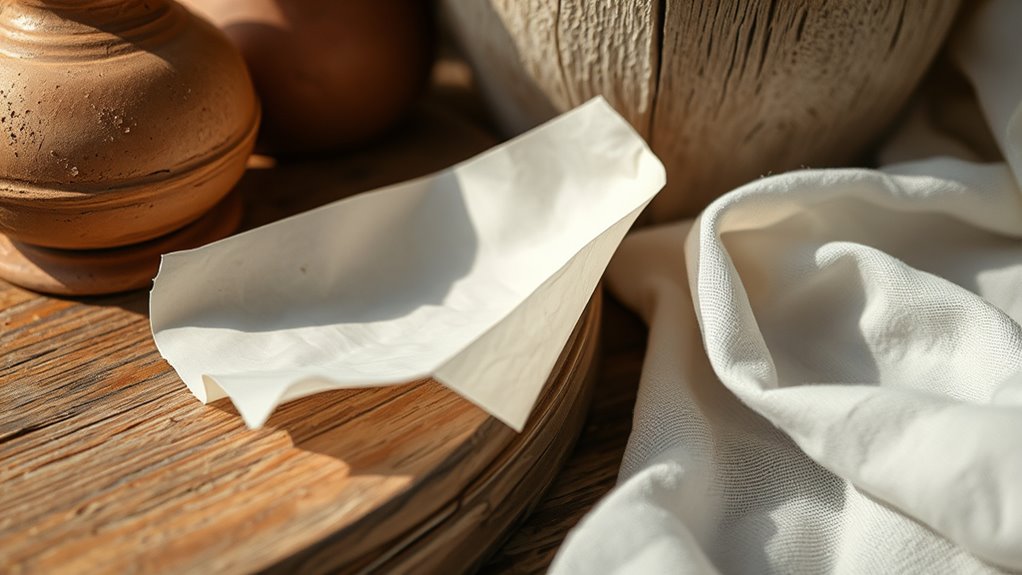
As spring arrives and the air begins to warm, rising humidity levels start to transform your daily environment. You’ll notice that the air feels fresher, but it also impacts the materials around you in ways you might not immediately realize. Seasonal moisture increases, and this shift in humidity directly influences material behavior, especially in paper, clay, wood, and fabric. Understanding these changes helps you better care for your belongings and adapt your environment accordingly.
Spring’s rising humidity transforms materials like paper, clay, wood, and fabric—understand these changes to protect your belongings.
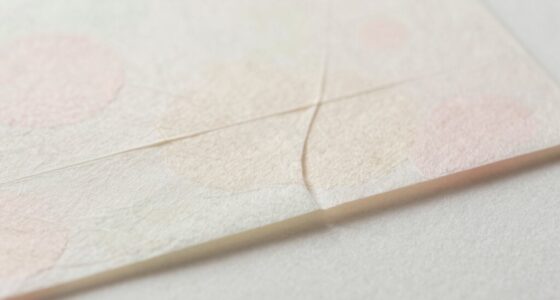
When humidity levels climb, paper becomes more than just a flat surface. It absorbs moisture from the air, causing it to expand and sometimes warp or curl. If you keep delicate documents or artwork in a space with high spring humidity, you might see pages stick together or edges curl. This isn’t a flaw in the paper itself but a response to seasonal moisture. Conversely, in low humidity, paper can become brittle and prone to cracking. So, during spring, it’s essential to store paper in environments with stable humidity levels to prevent unwanted deformation. The material behavior of paper is highly sensitive to moisture fluctuations, and sudden changes can compromise its integrity.
Clay, often used for pottery or sculpting, also reacts to increased humidity. When the air is moist, clay can absorb moisture, making it softer and more pliable. This can be advantageous if you’re working on a project, but it also means that finished clay pieces stored outdoors or in damp settings are at risk of warping or cracking as they lose or gain moisture unevenly. The seasonal moisture swings can weaken the structure of clay over time, so controlling the environment becomes vital if you want your creations to last.
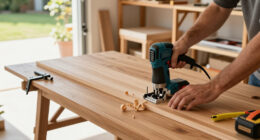
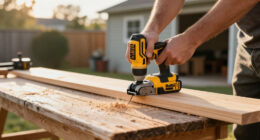
Wood is no different. As humidity rises, wood absorbs moisture, causing it to swell. You might notice doors sticking, furniture feeling tighter, or the expansion of wooden floors. This swelling can lead to cracks or warps if the moisture is uneven or persists for too long. When the season changes, the material behavior of wood becomes evident—what was once a snug fit might suddenly feel loose, or vice versa. Managing indoor humidity helps maintain the stability of wooden structures, preventing long-term damage caused by seasonal moisture shifts.
Fabric also reacts to humidity changes, often becoming softer and more pliable with increased moisture. Spring humidity can make clothing feel heavier or cause upholstery to sag if it absorbs too much moisture. Conversely, when the air is dry, fabrics tend to shrink or become brittle. This fluctuation impacts everything from clothing to curtains and bedding, emphasizing the importance of controlling indoor humidity to preserve their shape and durability.
In spring, the surge of seasonal moisture doesn’t just change the environment—it alters the very nature of your materials. Recognizing how moisture impacts material behavior helps you prevent damage and adapt effectively. Whether it’s safeguarding your paper collection, maintaining the integrity of clay or wood, or caring for your fabrics, understanding these seasonal shifts allows you to keep everything in prime condition amid the changing weather.
Furthermore, seasonal humidity fluctuations can also influence the longevity of stored items, making proper climate control essential for preservation.
As an affiliate, we earn on qualifying purchases.
Frequently Asked Questions
How Does Humidity Affect the Longevity of Paper Artworks?
Humidity affects the longevity of your paper artworks by causing fluctuations in the humidity cycle, which can lead to paper deterioration. When humidity rises, paper absorbs moisture, weakening fibers and increasing susceptibility to mold and warping. Conversely, low humidity causes paper to become brittle and crack. To preserve your art, maintain a stable environment, avoiding extreme humidity changes that accelerate deterioration and damage your valuable pieces.
What Techniques Protect Clay Sculptures During Seasonal Humidity Shifts?
Imagine your clay sculpture standing firm through spring’s shifting humidity. To prevent cracking, you should use humidity mitigation techniques like sealing the surface with a protective layer or storing it in a controlled environment. Regularly monitor moisture levels, avoiding extreme fluctuations, so your sculpture remains resilient. These steps guard against the stress of humidity changes, keeping your artwork intact and beautiful, no matter how the weather shifts around you.
Can Wood Furniture Adapt to Changing Spring Moisture Levels?
Yes, your wood furniture can adapt to changing spring moisture levels. When humidity rises, wood absorbs moisture, causing it to expand; when it drops, the wood contracts. To manage this, make certain your furniture is properly sealed and maintained, and keep indoor humidity levels stable with a humidifier or dehumidifier. Regularly inspecting and adjusting the environment helps prevent warping, cracking, or other damage caused by wood’s natural response to moisture absorption and expansion.
How Does Humidity Influence Fabric Preservation in Spring?
You’ll notice that humidity influences fabric preservation in spring by causing fabric expansion and contraction. Increased moisture makes fabrics more flexible but also more vulnerable to mold and mildew if not properly managed. To protect your textiles, guarantee humidity regulation in your space by using dehumidifiers or proper ventilation. This helps maintain a stable environment, preventing damage and keeping your fabrics in good condition despite the seasonal changes.
Are There Specific Tools to Measure Humidity Impact on Art Materials?
A stitch in time saves nine, and that’s true with measuring humidity’s impact on art materials. You can use digital hygrometers and moisture meters to accurately gauge moisture levels. These tools help you monitor how humidity affects paper, clay, wood, and fabric, allowing you to take proactive steps to preserve your artwork. With precise measurements, you make certain your art stays protected, no matter the season.
As an affiliate, we earn on qualifying purchases.
Conclusion
As spring humidity shifts, you’ll notice how paper warps, clay cracks, or wood swells—reminding you that nature’s subtle changes can alter your creations. Embrace this dance of moisture and adjust your techniques, just like a seasoned alchemist of old. Don’t fight the process; instead, learn to flow with it. After all, even in this modern age, the wise know that understanding nature’s whims keeps your craftsmanship timeless—no more a mere mortal, but a true artisan.
As an affiliate, we earn on qualifying purchases.
As an affiliate, we earn on qualifying purchases.
Halloween Picks
halloween
As an affiliate, we earn on qualifying purchases.
![How Blackwing Pencils Are Made [Video]](https://worldfinecrafts.com/wp-content/uploads/2026/08/how-blackwing-pencils-are-made-video-featured-560x300.jpg)