To tell if paper will fold cleanly, start by examining its texture, weight, and flexibility. Smooth, glossy surfaces usually fold more precisely than rough or fibrous ones. Lightweight or thin paper tends to fold easily and hold sharp creases, while thicker or stiffer materials may require more effort and might crack. Practice and testing small sections help you gauge how well the paper responds. Keep exploring to discover tips that will improve your folding results.

Get business pricing on tools and workshop supplies
- Business-only prices and quantity discounts
- Tax-exempt purchasing
- Multiple users, one account, clear invoices
Key Takeaways
- Check the paper’s texture; smooth, glossy surfaces fold more precisely than rough or fibrous ones.
- Test a small corner or scrap to assess how easily it folds and if it holds sharp creases.
- Ensure the paper is thin and flexible enough for intricate folds without cracking or tearing.
- Confirm the paper’s weight; lightweight or traditional origami paper generally folds more cleanly.
- Use proper folding techniques and tools, applying consistent pressure for precise, clean creases.
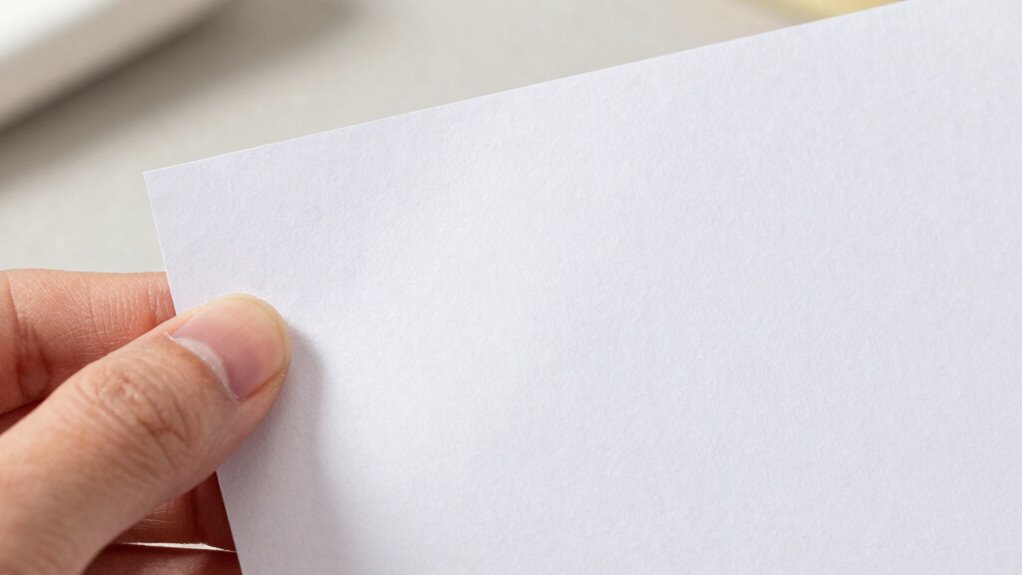
When you need a crisp, clean fold, the key is choosing the right paper. Not all papers are created equal, and understanding how different origami paper textures influence folding can make all the difference. Before you start, examine the paper’s surface—smooth, glossy textures tend to fold more precisely, while rough or fibrous textures might cause uneven creases. The texture impacts how easily the paper bends and holds a fold, so opt for a material that feels firm yet flexible, giving you control without tearing or cracking.
Choosing the right textured paper ensures crisp, precise origami folds every time.
Next, consider the weight of the paper. Thicker papers, like cardstock, may require more effort to fold sharply, and their rigidity can prevent smooth, precise creases. Conversely, lightweight paper, such as traditional origami paper, is typically designed for intricate folding. These papers are thin enough to fold cleanly but sturdy enough to hold sharp creases. With the right weight, your folding techniques become more effective, ensuring each crease is crisp and accurate. When selecting, test a small piece by folding it gently to see if it holds the crease well without cracking or unfolding prematurely.
Folding techniques are equally vital in determining whether a fold will be clean. Proper technique involves aligning edges meticulously and applying consistent pressure along the fold. Use your fingernail or a tool like a bone folder to press down firmly and create sharp, precise lines. The angle at which you fold also matters; a gentle, deliberate motion prevents tearing or creating uneven creases. When working with textured or patterned paper, pay attention to how the material responds—some textures might need a different approach, like scoring the paper beforehand or folding along the grain to achieve a smooth fold. Additionally, understanding how paper textures influence folding can help you select the best material for your project. Recognizing the fiber orientation of the paper can significantly improve your folding results, especially with textured or handmade papers. Being aware of paper composition can also help you choose the most suitable paper for the desired outcome. Moreover, experimenting with different types of folding tools can further aid in creating precise, professional-looking creases.
Before committing to a complex design, practice on scrap pieces to gauge how your chosen paper reacts to your folding techniques. This step helps you understand its behavior, especially if you’re working with textured or specialty papers. If the paper resists sharp creases or seems prone to tearing, consider switching to a different type with a more suitable texture. Over time, you’ll learn which combinations of origami paper textures and folding techniques yield the cleanest, most precise results. Remember, the success of a crisp, clean fold depends on both the quality of the paper and your method—pay attention to both, and your origami will turn out flawless. Additionally, using proper folding tools can further improve your results and help achieve professional-looking folds.
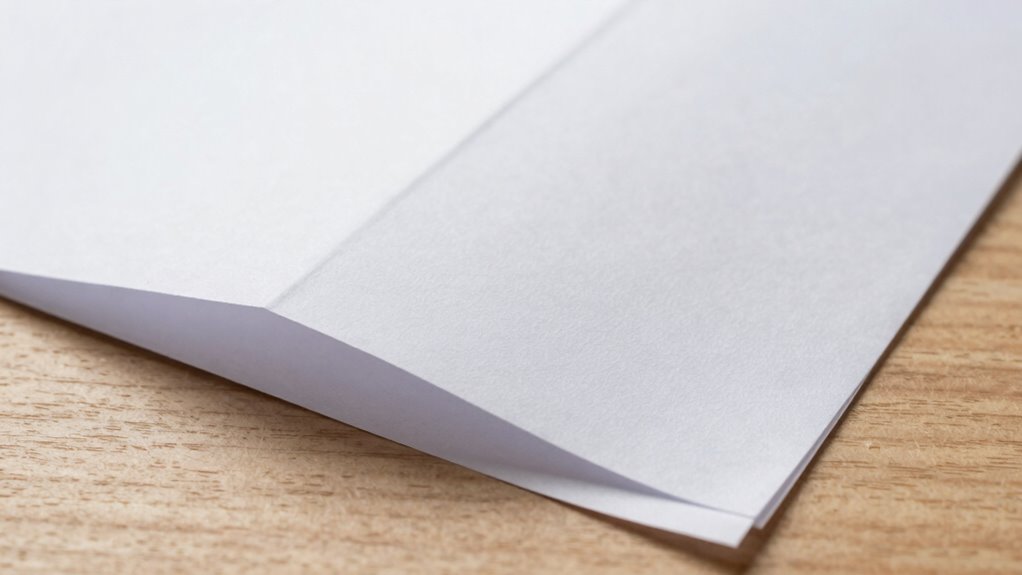
origami paper with smooth glossy surface
As an affiliate, we earn on qualifying purchases.
As an affiliate, we earn on qualifying purchases.
Frequently Asked Questions
Does the Type of Paper Affect How Well It Folds?
Yes, the type of paper affects how well it folds. Your paper’s texture plays a big role—smooth, thinner paper folds more cleanly, while rough or thick paper can be tricky. Use proper folding techniques suited for the paper type, like gentle creasing on delicate paper. Experiment beforehand to see how your paper responds, ensuring cleaner, more precise folds without tearing.
Can the Age or Storage of Paper Influence Folding Quality?
Old, poorly stored paper might seem fragile, yet with careful folding techniques, you can still achieve clean creases. Paper preservation plays a role in maintaining flexibility, but aging can cause brittleness, making perfect folds trickier. When you handle aged paper, work slowly and gently, employing gentle pressure and precise techniques. Proper storage prevents deterioration, ensuring your paper remains pliable for smooth, clean folds every time.
Are There Specific Brands Known for Better Folding Performance?
Yes, some brands are known for better folding performance, especially those producing high-quality, smooth paper. Thinner paper often folds more cleanly, so look for brands offering lighter weight options. Using proper folding techniques, like gentle creases and precise alignment, also helps. Brands focused on origami or craft paper tend to prioritize foldability, making your folding experience smoother and more accurate.
How Does Humidity Impact the Paper’s Ability to Fold Cleanly?
Humidity effects can notably impact your paper folding. When moisture impact is high due to increased humidity, paper becomes softer and more prone to tearing or uneven folds. Conversely, in low humidity, paper stays crisp and holds folds better. To guarantee clean folds, avoid folding in overly humid environments, and consider using thicker or coated paper, which resists humidity effects better. This way, your folds stay precise and neat.
Is There a Way to Test Paper Before Folding Extensively?
Yes, you can test paper before folding extensively by examining its thickness and observing its fold precision. Lightly crease the paper in small sections to see how smoothly it folds and whether the edges align neatly. Thinner paper generally folds more cleanly, but thicker paper with good quality tends to hold precise folds better. This quick test helps you gauge whether the paper is suitable for your project, saving time and ensuring cleaner results.
As an affiliate, we earn on qualifying purchases.
Conclusion
By paying close attention to the paper’s texture and edges, you hold the power to predict its fate, much like a craftsman anticipating the perfect cut. When you master these simple steps, you’re not just folding paper—you’re shaping possibilities, much like Da Vinci imagined his masterpieces. Trust your instincts and feel the paper’s subtle cues; with practice, you’ll craft clean folds effortlessly, turning ordinary sheets into works of art.
As an affiliate, we earn on qualifying purchases.
As an affiliate, we earn on qualifying purchases.
Fall Picks
fall essentials
As an affiliate, we earn on qualifying purchases.