
TL;DR

Get business pricing on tools and workshop supplies
- Business-only prices and quantity discounts
- Tax-exempt purchasing
- Multiple users, one account, clear invoices
A homeowner shares how to convert a standard AC unit into a smart device using non-invasive methods. The approach avoids damage or alterations that could threaten the security deposit. This guide highlights confirmed techniques and what remains uncertain.
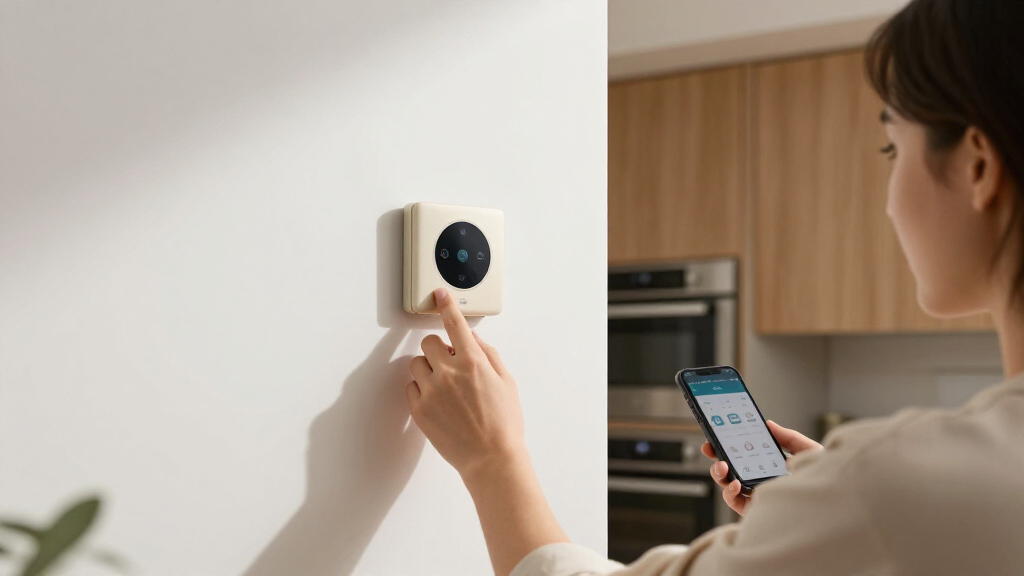
A homeowner has revealed a way to turn a traditional, non-smart air conditioning unit into a smart device without making permanent modifications that could threaten their security deposit. The approach involves non-invasive, temporary solutions that can be removed easily, avoiding damage or alterations to the property. This development matters because many renters want smart home features but fear violating lease agreements or risking their deposits.
The homeowner, who posted their method online, recommends using external smart plugs and wireless sensors to control and monitor the AC remotely. These solutions do not require any drilling, wiring, or permanent changes to the unit or property, thus maintaining compliance with typical lease terms. The key components include a Wi-Fi-enabled smart plug to turn the unit on and off remotely, and wireless temperature sensors placed near the AC to monitor conditions. The homeowner emphasizes that these methods are reversible and do not involve any tampering with the AC’s internal components or electrical wiring. Experts confirm that using a smart plug is a common, non-invasive way to add remote control to appliances, provided the device is compatible with the AC unit’s power requirements. Wireless sensors can be placed temporarily without damage, as long as they are not glued or affixed permanently. The homeowner notes that this approach is suitable for portable or window units but may be less effective for built-in or central systems, which could require more invasive modifications.Practical Impact of Non-Invasive Smart AC Conversion
This method offers renters and homeowners a way to upgrade their comfort and energy management without risking their security deposits. It allows for remote control and monitoring of AC units, which can lead to energy savings and improved convenience. The approach also provides a template for other smart home upgrades that avoid property damage, important for those living in rental properties with strict rules. However, it is not suitable for all types of AC systems, and users should verify compatibility and safety before implementation. The significance lies in balancing technological enhancement with lease compliance, making smart home features accessible to renters who might otherwise be deterred by potential property damage or lease violations.As an affiliate, we earn on qualifying purchases.
Limitations and Prior Methods for Smartening AC Units
Traditionally, converting a dumb AC unit into a smart device involves either replacing internal components or installing wired controllers, which can be invasive and risk violating lease agreements or damaging property. Some renters have attempted DIY modifications like drilling or wiring, but these methods are often irreversible and could lead to security deposit deductions or disputes. Recently, the rise of external smart plugs and wireless sensors has provided a non-invasive alternative, allowing users to control and monitor appliances remotely without physical alterations. This approach is gaining popularity among renters and DIY enthusiasts seeking cost-effective and property-safe solutions.“Using a smart plug and wireless sensors is a simple, reversible way to add smart control to a standard AC unit without risking damage or your security deposit.”
— Homeowner who shared their method online
wireless temperature sensors for AC
As an affiliate, we earn on qualifying purchases.
As an affiliate, we earn on qualifying purchases.
Limitations and Risks of External Smart Devices
It is not yet clear how effective these external solutions are for all types of AC units, especially larger or built-in systems. Compatibility issues, device reliability, and safety concerns, such as overloading or improper wiring, remain areas needing further clarification. Additionally, some landlords or property managers may have policies against using external devices, which could affect lease compliance. The long-term durability and security implications of wireless sensors and smart plugs also require more investigation.remotely controllable smart outlet
As an affiliate, we earn on qualifying purchases.
As an affiliate, we earn on qualifying purchases.
Next Steps for Renters Considering Smart AC Upgrades
Renters and homeowners should verify their AC unit’s compatibility with external smart devices and ensure they follow safety guidelines. Consulting with property managers or landlords before installing non-permanent solutions can prevent disputes. As technology advances, more integrated, non-invasive smart home options are expected to become available, potentially simplifying the process further. Continued sharing of practical experiences and expert advice will help refine these methods and establish best practices for property-safe smart upgrades.As an affiliate, we earn on qualifying purchases.
Key Questions
Can I turn any AC unit into a smart device without damage?
Using external smart plugs and wireless sensors can be effective for portable or window units, but compatibility varies. Always verify your unit’s power requirements and consult safety guidelines before proceeding.
Will using a smart plug affect my security deposit?
As long as the smart plug is non-invasive and can be removed easily without damage, it should not impact your security deposit. Avoid permanent modifications like drilling or wiring.
Are wireless sensors safe to use around electrical appliances?
Wireless sensors designed for home automation are generally safe when used properly. Ensure they are placed temporarily and not glued or fixed permanently to avoid damage or safety hazards.
What should I check before installing these devices?
Verify compatibility with your AC unit, follow manufacturer safety instructions, and consider landlord policies. If unsure, consult a professional or property manager.
Will these solutions work for central air systems?
External smart plugs may control portable units easily, but for central systems, more invasive modifications are often required, which could risk lease violations.
Source: hn
Halloween Picks
halloween
As an affiliate, we earn on qualifying purchases.