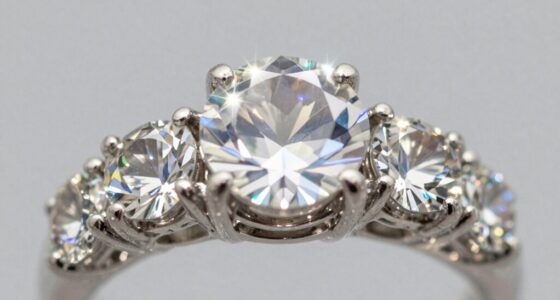
If you polish a metal surface to a mirror-like finish, every tiny flaw becomes highly visible because of its high reflectivity. Smooth, polished metals reflect light uniformly, making imperfections like scratches or dents stand out sharply. The surface texture heavily influences how flaws are seen—rough surfaces scatter light and hide imperfections, while smooth ones reveal them. To learn more about why polished metals show every mistake, keep exploring how surface finish and preparation affect reflection.

Get business pricing on tools and workshop supplies
- Business-only prices and quantity discounts
- Tax-exempt purchasing
- Multiple users, one account, clear invoices
Key Takeaways
- Highly reflective, polished surfaces amplify imperfections, making flaws more visible.
- Smooth, mirror-like finishes reveal surface irregularities due to precise light reflection.
- Surface flaws disrupt light reflection, causing distortions or glare that highlight imperfections.
- Matte or textured finishes scatter light, concealing flaws better than polished surfaces.
- Proper surface preparation and finishing enhance reflectivity and reduce visible mistakes.
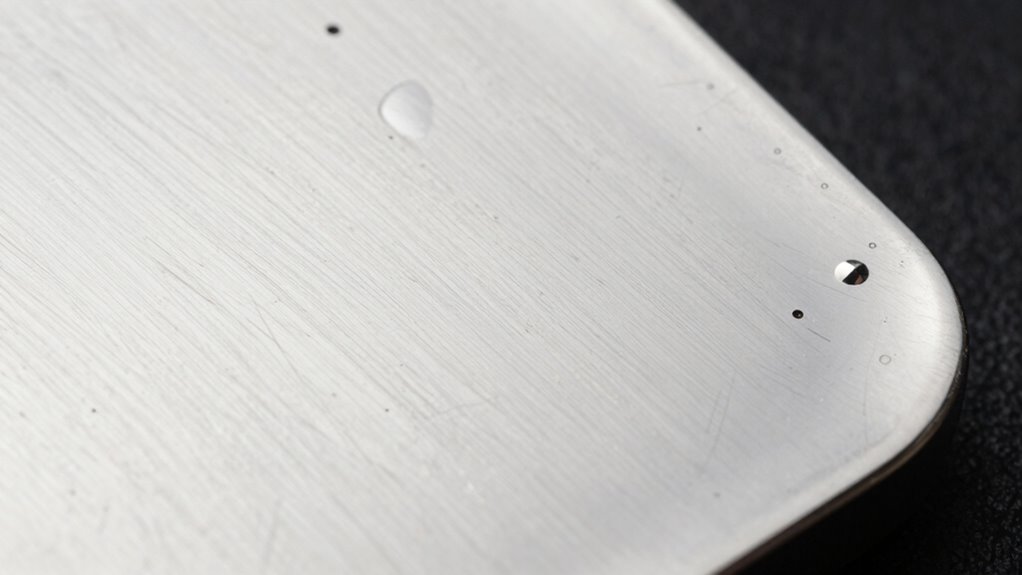
Metal surfaces often reveal every flaw because their reflective and smooth nature makes imperfections highly visible. When you look at a polished metal, you notice every scratch, dent, or blemish because the surface texture plays a crucial role in how light interacts with it. A perfectly smooth, polished surface tends to reflect light uniformly, creating a mirror-like effect that highlights even the tiniest imperfections. This characteristic is directly tied to the surface texture; the smoother the surface, the more light is reflected cleanly, making mistakes stand out more vividly.
Your eyes are naturally drawn to these flaws because the reflective properties of metal amplify any irregularities. When light hits a rough or uneven area, it scatters in multiple directions, dulling the reflection and making imperfections less noticeable. Conversely, when the mirror-like surface is flawless, it reflects light with precision, acting like a perfect mirror. Any irregularity disrupts this reflection, causing distortions or areas of glare that alert you to flaws. This is why highly polished or finely finished metals tend to expose every mistake—they’re designed to maximize reflectivity, which, while aesthetically appealing, also makes imperfections much easier to see.
Highly polished metals reveal every flaw by amplifying irregularities in their reflective surfaces.
If you’re working with metal and aiming for a flawless finish, understanding the relationship between surface texture and reflective properties helps you appreciate why some flaws are more visible than others. Achieving a high-quality finish involves meticulous attention to the surface texture, ensuring it’s as smooth and even as possible. Any scratches, pits, or inconsistencies create local disruptions in the reflective properties, making flaws stand out sharply. Even small surface irregularities can catch the light differently, creating visible distortions that reveal the mistake to anyone inspecting the surface.
On the other hand, surfaces with a matte or textured finish tend to hide imperfections better because their rougher surface scatters light more diffusely, reducing glare and making flaws less noticeable. But if your goal is a mirror-like shine, you must accept that every imperfection will be obvious. This is why polishing and finishing processes are so critical in metalworking—every step aims to optimize the surface texture to enhance the reflective properties, ensuring a flawless appearance. Ultimately, understanding how surface texture influences reflection helps you control how flaws are displayed, guiding your efforts toward a perfect, mistake-free finish. Additionally, surface preparation plays a vital role in minimizing visible imperfections before polishing begins.
As an affiliate, we earn on qualifying purchases.
Frequently Asked Questions
How Do Different Metals Affect Surface Imperfections?
Different metals affect surface imperfections based on their surface texture and reflective properties. You’ll notice that highly reflective metals like aluminum or polished steel reveal imperfections more clearly because their smooth, shiny surfaces highlight irregularities. In contrast, metals with rougher textures or matte finishes hide flaws better. So, when choosing metals for projects, consider how their reflective qualities and surface texture will interact with light, revealing or concealing surface imperfections.
Can Surface Treatments Hide Flaws Effectively?
Think of surface treatments like a fresh coat of paint on a cracked wall—they can hide flaws temporarily. Yes, surface finish and coating durability help conceal imperfections effectively, but they’re not foolproof. A smooth, well-applied coating can mask minor defects, making the surface appear flawless. However, if the treatment isn’t durable, flaws may reappear over time, revealing the truth beneath the surface.
What Role Does Lighting Play in Revealing Mistakes?
Lighting plays a vital role in revealing mistakes on metal surfaces through reflective glare and shadow casting. When you shine light at the right angle, reflective glare highlights surface imperfections, making flaws more visible. Shadow casting helps you see subtle dents or irregularities by creating contrasts. Proper lighting enhances your ability to spot mistakes, ensuring you catch even the tiniest flaws that might otherwise go unnoticed under poor illumination.
Are Certain Manufacturing Processes More Prone to Visible Errors?
Think of manufacturing processes as crafting a delicate sculpture. Processes like precision machining or polishing are more prone to visible errors because they demand tight surface finish and strict manufacturing tolerances. If these tolerances aren’t met, flaws like scratches or uneven surfaces become glaring. You’ll notice mistakes more easily in these methods, as the high standards for surface quality leave little room for imperfection, revealing every flaw like cracks in a fragile masterpiece.
How Does Corrosion Influence the Appearance of Surface Flaws?
Corrosion, driven by surface oxidation and environmental factors, makes surface flaws more visible. When metal reacts with moisture or chemicals, it forms rust or scales that highlight cracks, pits, and scratches. These changes alter the surface’s appearance, emphasizing imperfections that might otherwise go unnoticed. As a result, corrosion not only damages the metal but also reveals flaws more clearly, affecting both aesthetics and structural integrity.
As an affiliate, we earn on qualifying purchases.
Conclusion
So, next time you see a metal surface revealing every flaw, remember it’s like a mirror reflecting your own imperfections. Its surface, like a storyteller, whispers secrets of the process, history, and the tiny battles fought during creation. Embrace the imperfections—they’re the fingerprints of craftsmanship, the poetry of resilience. In this shimmering canvas, every mistake dances in the light, reminding you that beauty often lies in the scars, telling stories only the brave dare to see.
As an affiliate, we earn on qualifying purchases.
As an affiliate, we earn on qualifying purchases.
Halloween Picks
halloween
As an affiliate, we earn on qualifying purchases.