Sunlight’s ultraviolet rays gradually damage your handmade work by breaking down chemical bonds, causing fading, cracking, and discoloration. Unlike mass-produced items, handcrafted pieces often contain materials that respond uniquely and are more vulnerable to UV damage. Even daily, subtle exposure accelerates deterioration, reducing both beauty and durability over time. Without proper protection, the true impact of sunlight can go unnoticed until significant damage occurs. Stay with us to discover how you can better preserve your craftsmanship.

Get business pricing on tools and workshop supplies
- Business-only prices and quantity discounts
- Tax-exempt purchasing
- Multiple users, one account, clear invoices
Key Takeaways
- UV rays cause gradual chemical breakdown, weakening the materials and reducing the lifespan of handmade items.
- Prolonged exposure leads to fading, discoloration, and surface damage that diminish craftsmanship’s visual appeal.
- Different materials respond uniquely, often degrading faster than people expect, especially without protective measures.
- Daily sunlight accumulation accelerates deterioration, making even brief exposure significantly harmful over time.
- Without proper protection, handmade works suffer irreversible damage, compromising both their integrity and aesthetic value.
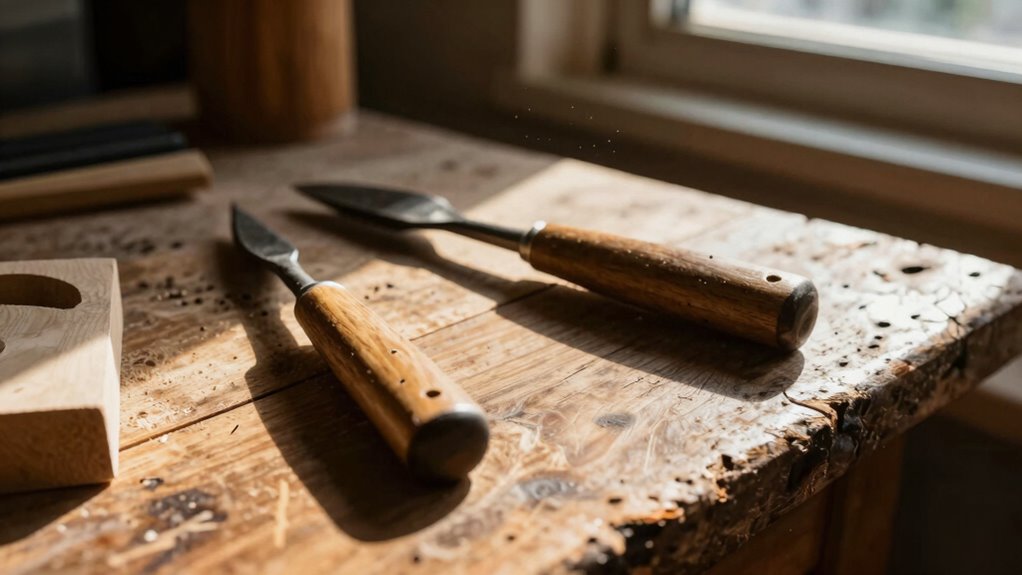
Many people underestimate just how damaging sunlight can be to handmade items. When you craft something by hand, whether it’s a painted piece, a woven textile, or a wooden sculpture, you might think that once it’s finished, it’s safe from the elements. But UV exposure from sunlight is a relentless force that can cause substantial material degradation over time. The sun’s rays contain ultraviolet light, which penetrates deeply into many materials, breaking down their chemical bonds and leading to fading, discoloration, and weakening of the structure. This process isn’t sudden; it’s gradual, but it can dramatically diminish the beauty and integrity of your handmade work if you’re not careful.
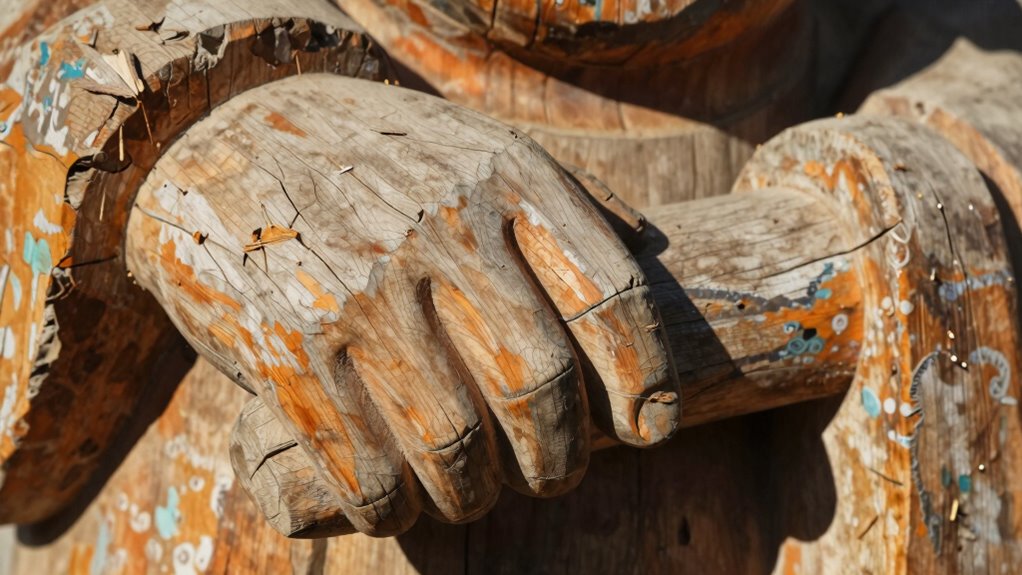
The problem is that UV exposure affects different materials in different ways, but the common outcome is deterioration. For fabrics, prolonged sunlight exposure causes fading of dyes and fibers, making your once-vibrant textile look dull and worn. For wood, UV rays can break down lignin—the substance that holds wood fibers together—resulting in surface cracking, warping, and loss of luster. Paints and finishes are no exception; they can peel, crack, or fade when hit continuously by sunlight. As the materials degrade, your craftsmanship’s original qualities diminish, and the piece becomes less durable and less appealing. Understanding material properties can help you better anticipate how your handmade items will age when exposed to sunlight.
You might not realize that even subtle, everyday sunlight can accumulate damage over months or years. While you may think that a few hours in the sun won’t harm your work, the reality is that constant, unprotected exposure accelerates the degradation process. Without proper protection, UV rays can cause your handmade items to lose their vibrancy and strength faster than you’d expect. That’s why it’s essential to understand how UV exposure impacts your materials and to take proactive steps to shield your creations. Covering your work with UV-resistant coatings, keeping them out of direct sunlight when not in use, or displaying them in shaded areas can markedly extend their lifespan. Recognizing the long-term effects of UV exposure can help you make better decisions about preservation.
In addition, understanding the chemical breakdown process caused by UV rays can help you make informed decisions about protecting your artwork. UV-induced deterioration involves complex reactions that weaken the structural integrity of materials over time, making material degradation an important consideration for preservation. Moreover, different material properties such as pigment composition and fiber type influence how quickly a piece might deteriorate when exposed to sunlight. In the end, realizing the impact of sunlight on your handmade items means recognizing that UV exposure is not just a minor inconvenience—it’s a powerful factor that accelerates material degradation. If you want your work to stand the test of time, you need to contemplate how sunlight interacts with your materials and take measures to protect them. Otherwise, the beauty and durability of your craftsmanship might fade just as quickly as the colors on a sun-bleached fabric.
UV protective spray for handmade textiles
As an affiliate, we earn on qualifying purchases.
As an affiliate, we earn on qualifying purchases.
Frequently Asked Questions
How Does UV Exposure Affect Different Types of Handmade Materials?
UV exposure causes different handmade materials to deteriorate at varying rates. You’ll notice UV degradation in textiles, paper, and paints, leading to brittle textures or weakening fibers. Pigment fading is common, especially in dyed or painted items, making colors dull over time. Protecting your handmade pieces from direct sunlight helps preserve their integrity, vibrant colors, and overall longevity, ensuring your craftsmanship remains beautiful and durable for years to come.
Can Protective Coatings Fully Shield Handmade Items From Sunlight Damage?
Protective coatings like UV resistant varnishes and protective sprays can considerably reduce sunlight damage, but they can’t fully shield your handmade items. You need to apply them regularly, reapply as needed, and combine them with other protective measures. While these coatings help block harmful rays, consistent care and cautious placement remain essential. Ultimately, combining multiple protective strategies offers the best defense against sunlight’s long-term effects.
What Are the Best Practices for Storing Sunlight-Exposed Handmade Work?
To maximize sunlight longevity and guarantee handmade preservation, store your work in a cool, dark place away from direct sunlight. Use acid-free storage containers or archival-quality materials to protect against light damage. Avoid frequent handling and keep your items in environments with stable humidity. If display is necessary, limit exposure time, use UV-protective glass, and rotate pieces regularly to prevent prolonged sunlight exposure that can cause fading and deterioration.
How Quickly Can Sunlight Cause Visible Damage to Handmade Art?
Sunlight can cause visible damage to your handmade art in just a few months. You’ll notice Sunlight fade quickly, especially on delicate or vibrant materials, and Material degradation can accelerate over time. To protect your work, limit exposure, use UV-protective coatings, or display it away from direct sunlight. Acting promptly helps preserve your art’s beauty and integrity, ensuring it remains stunning for years to come.
Are There Specific Climates Where Sunlight Impacts Handmade Work More Severely?
In climates with high climate sensitivity and significant sunlight variability, sunlight impacts your handmade work more severely. Regions with intense, direct sunlight and fluctuating weather expose your art to greater UV damage and fading. You’ll notice quicker deterioration in these areas, especially if you don’t take protective measures. Be mindful of where you display or store your artwork, and consider UV-protective coatings or coverings to shield it from harsh sunlight.
As an affiliate, we earn on qualifying purchases.
Conclusion
Sunlight isn’t just a gentle whisper on your handmade creations; it’s a relentless tide that erodes and fades what you cherish. Like a silent thief in the night, its rays steal the vibrancy and life from your work, often unnoticed until it’s too late. So, when you craft with love, remember that sunlight’s warm embrace can also be its quiet undoing. Protect your art, for its beauty deserves more than just fleeting moments in the sun.
UV protection coating for artwork
As an affiliate, we earn on qualifying purchases.
As an affiliate, we earn on qualifying purchases.
Sunlight protection for handcrafted items
As an affiliate, we earn on qualifying purchases.
As an affiliate, we earn on qualifying purchases.
Halloween Picks
halloween
As an affiliate, we earn on qualifying purchases.