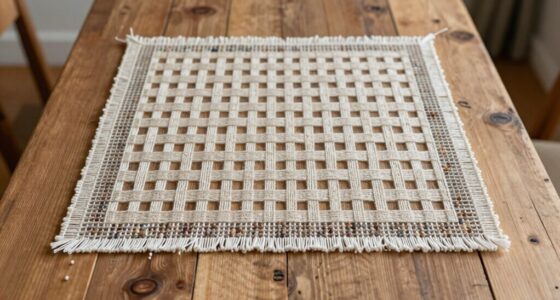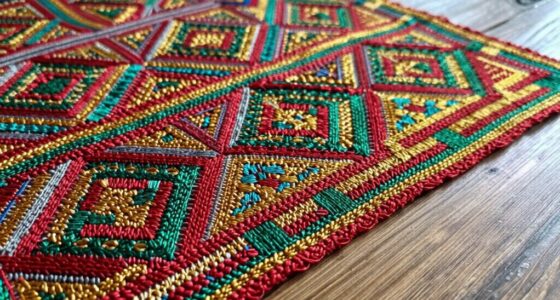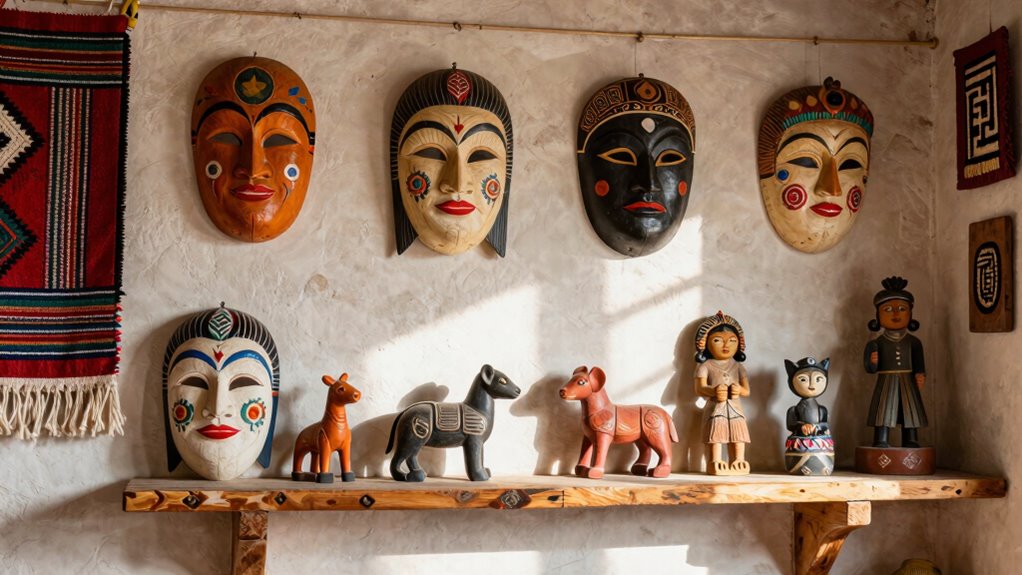
American folk art has a hidden history rooted in diverse cultural influences like European, African, and Native American traditions. These artworks reflect regional styles and local materials, shaping unique communities across the U.S. The handcrafted quality and storytelling elements make folk art timeless, inspiring contemporary décor with authentic charm. If you’re curious about how these rich traditions continue to influence today’s design choices, there’s much more to uncover just ahead.

Get business pricing on tools and workshop supplies
- Business-only prices and quantity discounts
- Tax-exempt purchasing
- Multiple users, one account, clear invoices
Key Takeaways
- American folk art reflects diverse cultural influences, embedding stories and values that reveal community identities and historical traditions.
- Regional styles, materials, and techniques showcase local resources and craftsmanship, shaping unique artistic identities across the U.S.
- Its handcrafted, authentic quality connects modern décor to historical roots, emphasizing community pride and cultural heritage.
- Folk art’s motifs and symbols continue to inspire contemporary design, blending tradition with modern aesthetics.
- Recognizing folk art’s historical significance enhances appreciation of its role in shaping American cultural and decorative expressions.

American folk art often remains hidden beneath the more celebrated traditions of fine art, yet it offers a rich and authentic glimpse into the lives and beliefs of everyday people. When you explore its roots, you’ll find that its cultural origins are deeply intertwined with the diverse communities that settled across the country. These artworks reflect a mixture of European, African, Native American, and other influences, blending traditions to create something uniquely American. You might notice how these cultural origins shape the motifs, symbols, and techniques used in folk art, revealing the stories and values of the people who created them. For example, motifs like flowers, animals, and geometric patterns often serve as symbols of hope, protection, or spirituality, rooted in the cultural backgrounds of the artists.
Regional styles play a significant role in defining the character of American folk art. As you examine different pieces, you’ll observe how geographic location influences the style, materials, and themes. In the Appalachian Mountains, for instance, you’ll find vibrant quilts with intricate stitching and bold patterns that reflect a rural, self-sufficient way of life. Moving southward, you might encounter the colorful, decorative wood carvings and painted furniture of the Carolinas, showcasing a penchant for bright hues and lively designs. In the Midwest, you’ll see examples of painted barns and signs that emphasize practicality combined with artistic expression. Each regional style embodies the local culture, resources, and history, making folk art a living record of community identity and regional pride. These regional variations demonstrate how local materials and techniques contribute to distinct artistic identities across different areas.
Understanding these cultural origins and regional styles helps you appreciate why folk art remains influential today. Its unpretentious, handcrafted quality offers a stark contrast to the polished perfection of fine art, resonating with those who seek authenticity and a sense of connection to the past. Folk art’s history is embedded in everyday life—every stitch, brushstroke, or carving tells a story. When you incorporate elements of folk art into your décor, you’re not just decorating a space; you’re honoring centuries of tradition, craftsmanship, and cultural expression. Recognizing these origins and styles allows you to see folk art as more than just decoration—it’s a reflection of history, identity, and community that continues to inspire contemporary design.
As an affiliate, we earn on qualifying purchases.
Frequently Asked Questions
How Did American Folk Art Evolve During the Colonial Era?
During the colonial era, American folk art evolved through colonial craftsmanship, blending European influences with local materials and themes. You see this in decorative techniques like patchwork, wood carving, and quilting, which reflected practical skills and cultural expressions. As settlers adapted traditional methods, they created unique styles that emphasized resourcefulness and community identity, laying the foundation for the rich, diverse folk art tradition that still influences American décor today.
What Materials Were Commonly Used in Early American Folk Art?
Did you know that early American folk artists primarily used natural dyes and handcrafted tools? You’ll find that they favored materials like wood, wool, and bark because they were accessible and easy to work with. These materials were essential for creating vibrant textiles, painted furniture, and carved objects. Their resourcefulness with natural dyes and simple tools reflects a deep connection to the environment and resourcefulness that still influences folk art today.
Who Were the Most Influential Folk Artists in American History?
You should know that famous artists like Grandma Moses and Edward Hicks shaped American folk art, becoming cultural icons. Their vibrant paintings and storytelling styles influence your décor today, reflecting authentic American history and tradition. These artists’ work captures everyday life and spiritual themes, inspiring contemporary designs. By recognizing their impact, you can appreciate how their legacy continues to influence your aesthetic choices and celebrate American cultural heritage.
How Has Folk Art Influenced Contemporary American Interior Design?
Folk art influences your contemporary interior design through modern reinterpretations that blend traditional craftsmanship with current styles. You’ll notice artists incorporate contemporary techniques, like mixed media and bold colors, while honoring folk motifs. This fusion adds authenticity, warmth, and a handcrafted feel to spaces. By integrating folk-inspired pieces, you create a unique ambiance that celebrates cultural heritage while embracing modern aesthetics, making your home both stylish and meaningful.
Are There Regional Differences in American Folk Art Styles?
Like a tapestry woven with varied threads, American folk art displays regional differences rooted in local motifs and cultural influences. In the South, you spot vibrant quilts and religious symbols, while the Northeast showcases maritime themes and intricate wood carvings. West Coast styles often reflect Native influences and natural landscapes. These regional motifs evoke a sense of place, making each piece a personal story shaped by its unique cultural roots.
As an affiliate, we earn on qualifying purchases.
Conclusion
As you explore the hidden history of American folk art, you uncover stories that shape your understanding, influence your décor, and inspire your creativity. You see the craftsmanship, celebrate the tradition, and honor the legacy behind each piece. You realize that folk art isn’t just decoration; it’s history, heritage, and heart. Embrace its beauty, respect its origins, and let it remind you that art’s true power lies in connection, culture, and community.
As an affiliate, we earn on qualifying purchases.
As an affiliate, we earn on qualifying purchases.
Halloween Picks
halloween
As an affiliate, we earn on qualifying purchases.