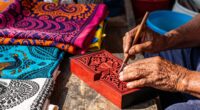
Sashiko stitches have deep roots in Japanese rural traditions, originally used to reinforce fabric and keep warm. You’ll find basic stitches like running, double running, knot, and whip stitches, each with symbolic meanings like strength, unity, and protection. These stitches come from practical needs but also tell stories through patterns such as hemp leaves and waves. To better understand their cultural significance, explore further, and discover how these stitches carry meaning beyond their appearance.

Get business pricing on tools and workshop supplies
- Business-only prices and quantity discounts
- Tax-exempt purchasing
- Multiple users, one account, clear invoices
Key Takeaways
- Sashiko originated in rural Japan as a practical method to reinforce clothing and provide warmth using simple geometric stitches.
- The fundamental stitches—running, double running, knot, and whip—each have symbolic meanings like strength, unity, and continuity.
- Traditional motifs such as hemp leaves and waves reflect cultural symbols of resilience, growth, and calmness.
- Tools like sturdy cotton thread, sharp needles, and even tension techniques ensure durability and aesthetic quality.
- Modern sashiko combines traditional symbolism with innovative designs, blending cultural heritage and contemporary artistry.
As an affiliate, we earn on qualifying purchases.
The Origins of Sashiko: Tracing Its Cultural Roots
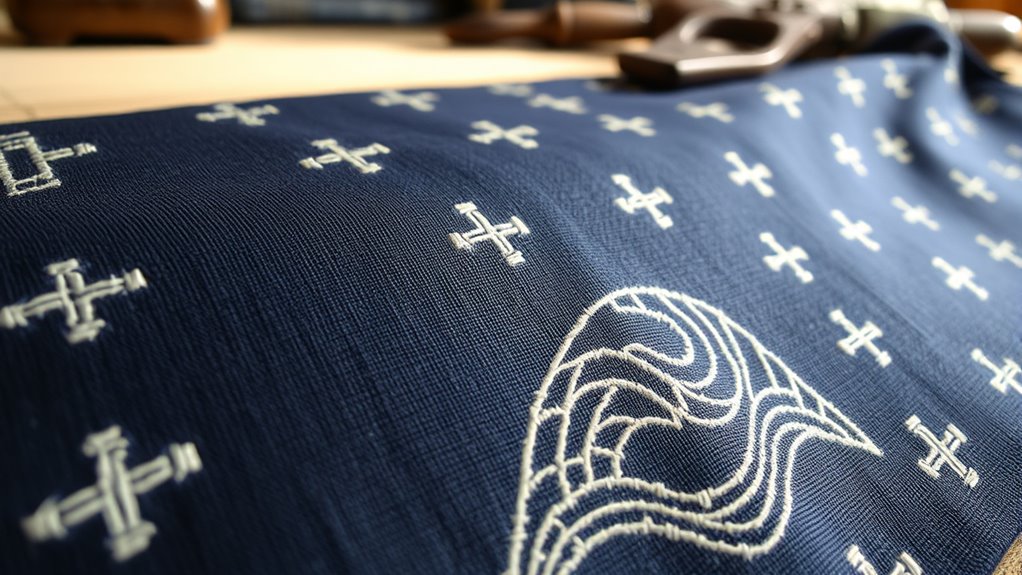
Sashiko, a traditional Japanese embroidery technique, has deep cultural roots that date back centuries. Originally, it developed from regional textile techniques used in rural communities to reinforce household fabrics and provide warmth. These textile methods varied across Japan, reflecting local resources, climate, and craftsmanship. Gender roles in sashiko played a significant part; women primarily practiced this craft, transforming everyday sewing into an art form and a means of economic support. Sashiko’s origins are tied to practicality and resourcefulness, but over time, it became a symbol of cultural identity and community. Its regional variations demonstrate how local traditions shaped its development, making sashiko more than just embroidery—it’s a reflection of Japan’s history, social roles, and regional diversity. Additionally, the economic importance of sashiko in some communities helped sustain local artisans and preserve traditional techniques.
Japanese sashiko needles and thread
As an affiliate, we earn on qualifying purchases.
As an affiliate, we earn on qualifying purchases.
Basic Sashiko Stitches and Their Meanings
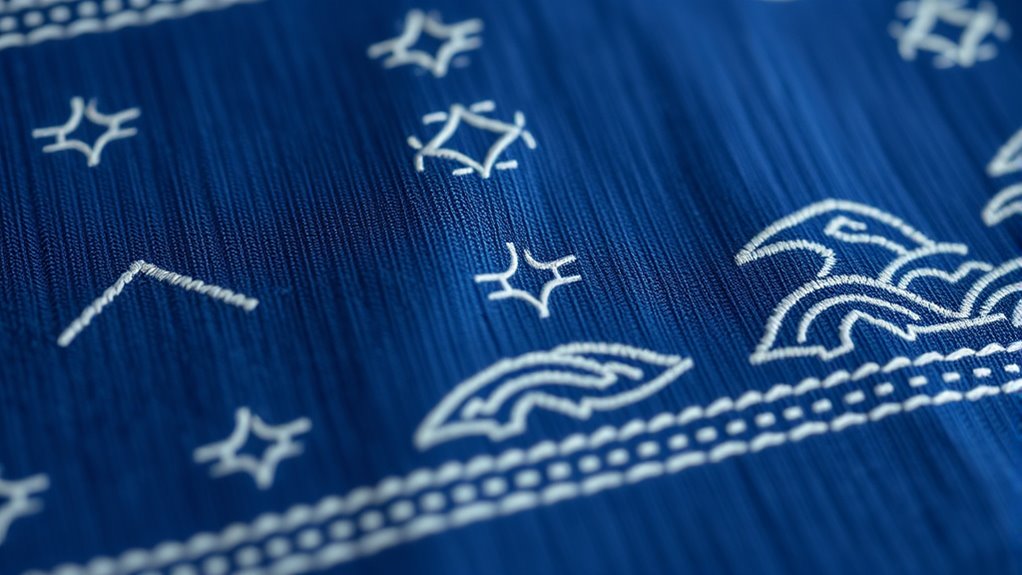
Understanding the basic sashiko stitches is essential to mastering this traditional craft because each stitch carries its own meaning and purpose. These embroidery techniques enhance fabric textures and add both strength and beauty to your projects. The most common stitches include the running stitch, used for outlines and reinforcement; the double running stitch, which creates thicker lines; and the knot stitch, adding decorative touches. Each stitch style contributes to the overall design and durability of your sashiko piece. By practicing these basic stitches, you’ll learn how they symbolize harmony and protection in Japanese culture. Here’s a quick overview:
| Stitch Type | Meaning and Use |
|---|---|
| Running Stitch | Basic outline, symbolizes continuity |
| Double Running Stitch | Reinforcement, signifies strength |
| Knot Stitch | Decorative, represents unity and protection |
| Whip Stitch | Edges finishing, for durability |
Mastering these stitches also helps preserve an important aspect of cultural heritage, ensuring that traditional techniques continue to thrive. Recognizing the symbolic meanings behind each stitch can enrich your craft and connect you to its cultural roots. Developing a deeper understanding of historical origins can inspire more meaningful projects and foster appreciation for this traditional art form. Engaging with cultural significance can deepen your connection to sashiko’s rich history and artistic value.
As an affiliate, we earn on qualifying purchases.
Patterns and Motifs: Symbols With Significance

Once you’ve mastered the basic stitches, you can start exploring the patterns and motifs that give sashiko its distinctive character. These textile motifs are rich in embroidery symbolism, often representing good fortune, protection, or nature’s beauty. For example, the traditional asanoha (hemp leaf) pattern symbolizes growth and resilience, while seigaiha (wave) evokes calmness and the ocean’s strength. Each motif carries specific meanings, making sashiko more than decorative stitching—it’s a form of storytelling. By understanding these symbols, you add depth to your work and connect with a long history of cultural expression. Recognizing the significance behind each pattern enriches your sashiko practice and helps preserve this centuries-old craft. Furthermore, incorporating cultural symbolism into your designs allows for a deeper appreciation of Japanese heritage and its influence on textile art. In addition, precious metals IRAs and other specialized investment options demonstrate the importance of understanding symbols and their meanings in different cultural contexts. Understanding the interpretation of angel numbers can also deepen your appreciation for symbolic communication in various traditions. Developing an awareness of such symbolic meanings can enhance both your craftsmanship and your cultural literacy. Exploring the history of sashiko can provide even greater insight into the evolution of these meaningful motifs across generations.
traditional sashiko stitching tools
As an affiliate, we earn on qualifying purchases.
As an affiliate, we earn on qualifying purchases.
Tools and Materials That Define Sashiko Craftsmanship

To create beautiful sashiko embroidery, choosing the right tools and materials is essential, as they directly influence the quality and authenticity of your work. Your fabric selection sets the foundation—opt for sturdy, evenly woven cotton to guarantee smooth stitches. Thread types matter too; traditional sashiko uses thick, pre-waxed cotton threads that add texture and durability.
Here are four key tools and materials to contemplate:
- Sashiko needles – sharp and long for even stitches.
- High-quality fabric – sturdy cotton or hemp.
- Thread varieties – cotton, silk, or specialty sashiko threads.
- Marking tools – water-soluble pens or chalk for guiding your stitches.
Using these thoughtfully ensures your sashiko projects are both beautiful and resilient.
Techniques for Creating Durable and Decorative Stitches

Mastering the techniques for creating durable and decorative stitches is key to elevating your sashiko projects. Focus on embroidery techniques that emphasize even tension and consistent stitch length, which enhance both aesthetics and textile durability. Using a simple running stitch, keep your stitches uniform and evenly spaced to guarantee strength and visual harmony. Incorporate layered or overlapping stitches for added reinforcement, especially in high-wear areas. Reinforcing stitches, like the double running stitch, increase durability without sacrificing decoration. Pay attention to thread tension and stitch placement, as these factors directly impact the longevity of your work. Additionally, understanding the history of sashiko can inspire more authentic and meaningful designs. Practicing techniques for stitch consistency will help you produce more professional-looking results. Developing an understanding of sashiko fabric and thread choices can further enhance both the appearance and durability of your stitching. Exploring thread tension control techniques can also improve stitch uniformity and project durability. Incorporating proper stitch spacing methods ensures your embroidery remains both beautiful and resilient over time. By honing these techniques, your sashiko will not only look beautiful but also withstand the test of time, combining practicality with artistry.
Evolution of Sashiko Patterns Through History

You’ll see how Sashiko started in rural Japan as practical, everyday repair work. Over time, cultural exchanges brought new patterns and ideas, shaping its unique style. Today, modern innovations continue to evolve Sashiko into fresh and creative designs. The enduring importance of creative storytelling in cultural practices highlights how tradition and innovation can coexist harmoniously. Additionally, the development of AI applications has influenced contemporary textile arts by enabling new design techniques and patterns that blend tradition with technology. Furthermore, the integration of sustainable practices in textile production ensures that modern Sashiko remains environmentally conscious while honoring its heritage. The adoption of innovative tools like herbal infusion machines and butter-making devices exemplifies how traditional crafts and modern technology can intersect creatively. This ongoing evolution reflects a vibrant dialogue between heritage preservation and contemporary innovation.
Origins in Rural Japan
In rural Japan, sashiko began as a practical craft, with villagers using simple geometric stitches to reinforce worn clothing and textiles. These stitches helped preserve fabric durability in harsh conditions. Over time, they developed distinct patterns that reflected their environment and needs. The use of calibration techniques ensured that these patterns maintained their consistency and visual appeal over generations. Additionally, traditional sashiko patterns often incorporated symbolic meanings, which conveyed cultural stories and beliefs. These symbolic patterns served as a form of cultural expression, passing down values and traditions through generations. Today, this tradition continues, blending practicality with artistry, all rooted in those early days of textile preservation.
Influence of Cultural Exchanges
As sashiko evolved from its rural origins, it didn’t develop in isolation. Instead, cultural exchange played a key role in shaping its patterns and techniques. Trade routes and interactions with neighboring regions introduced new artistic influences, enriching sashiko’s designs. For example, Chinese motifs and motifs from other Asian cultures blended with traditional Japanese styles, resulting in more intricate and varied patterns. These exchanges allowed artisans to experiment and adapt, creating a dynamic visual language. Over time, sashiko became more than just functional reinforcement; it reflected broader cultural influences and aesthetic preferences. This ongoing artistic influence helped sashiko evolve from simple utilitarian stitching into a rich form of cultural expression, demonstrating how interconnected history and craft truly are.
Modern Pattern Innovations
Modern sashiko patterns continue to evolve, blending traditional techniques with contemporary design sensibilities. You’ll see how fiber dyeing brings vibrant, unexpected colors that enhance modern motifs, while maintaining the craft’s authenticity. Innovators experiment with thread tension, creating varied textures that add depth and emotion to each stitch. This evolution allows you to explore new aesthetics without losing sashiko’s core essence.
Consider these exciting developments:
- Using fiber dyeing to craft bold, artistic backgrounds.
- Adjusting thread tension for dynamic, textured patterns.
- Incorporating asymmetry for a modern twist.
- Merging traditional motifs with abstract designs.
These innovations deepen your connection to sashiko, making each piece uniquely expressive and relevant today.
Modern Interpretations and Innovations in Sashiko
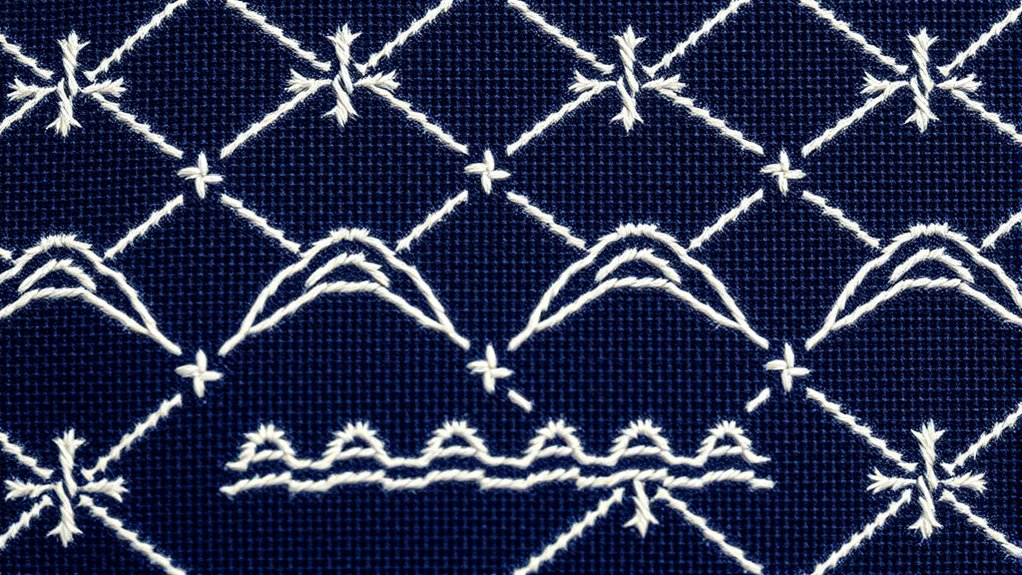
While traditional sashiko emphasizes simplicity and functionality, contemporary artists and crafters are increasingly exploring innovative ways to reinterpret this Japanese embroidery technique. In modern fashion, sashiko-inspired designs appear on clothing, accessories, and even home decor, blending traditional stitches with bold, new aesthetics. These adaptations often prioritize textile sustainability, using upcycled fabrics or eco-friendly materials to create stylish, eco-conscious pieces. Artists experiment with color contrasts, unconventional patterns, and mixed media, pushing sashiko beyond its classic roots. This modern approach keeps the craft relevant, appealing to new audiences while emphasizing environmental responsibility. By merging tradition with innovation, these reinterpretations honor sashiko’s history while opening up fresh avenues for expression and sustainable fashion.
Preserving Tradition: The Cultural Importance of Sashiko Today
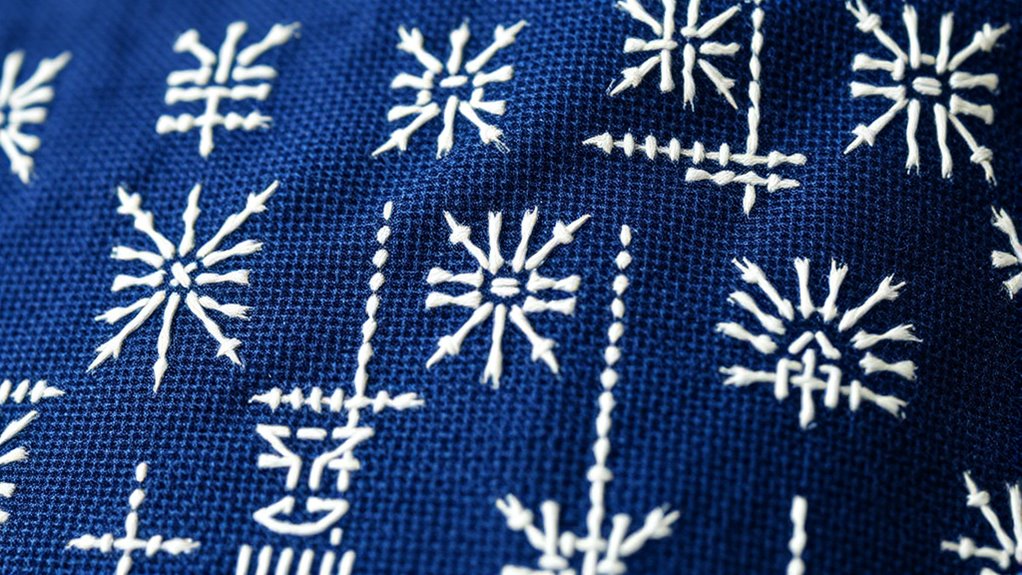
You play a key role in preserving Sashiko as an essential part of cultural heritage. Modern revival movements reconnect communities and keep traditional techniques alive. By honoring these practices, you help sustain the social bonds and stories woven into every stitch.
Cultural Heritage Preservation
Sashiko has become more than just a traditional embroidery technique; it serves as an essential link to Japan’s cultural heritage. Through its sashiko symbolism, you connect with generations who used these stitches to tell stories and express community values. Preserving this craft keeps cultural storytelling alive, honoring the history woven into each pattern.
Consider these points:
- You maintain a crucial cultural tradition that embodies resilience and ingenuity.
- You keep alive the stories and symbolism passed down through generations.
- You foster respect for Japan’s craftsmanship and history.
- You inspire others to appreciate and preserve cultural heritage through your practice.
Modern Revival Movements
In recent years, a renewed interest in traditional crafts has sparked a global movement to preserve and celebrate sashiko. Artists and designers incorporate sashiko-inspired techniques into modern textile dyeing, creating vibrant fabrics that honor the craft’s origins while appealing to contemporary tastes. This fusion of traditional stitching with innovative dyeing methods brings sashiko into the sphere of fashion, making it accessible and relevant. You might see sashiko stitching on clothing, accessories, or home decor, blending cultural heritage with current trends. This modern revival preserves the symbolic significance of sashiko stitches while adapting them for everyday use. By integrating sashiko into fashion, you help keep this centuries-old tradition alive, ensuring its cultural importance endures in a rapidly changing world.
Community Bonding Traditions
Community bonding plays an essential role in preserving sashiko as a cultural tradition, as it brings people together through shared craftsmanship and storytelling. During festival celebrations, you see communities unite, showcasing sashiko pieces that carry stories of resilience and heritage. These gatherings foster a sense of belonging and continuity, passing down skills from generation to generation. Through community storytelling, you connect with others’ histories, understanding the meaning behind each stitch.
- You feel the pride of keeping a tradition alive.
- You experience the warmth of shared memories.
- You witness the joy of passing skills to younger generations.
- You celebrate cultural identity with every quilt and pattern.
These bonds strengthen sashiko’s relevance today, linking past, present, and future.
Frequently Asked Questions
How Is Sashiko Different From Other Japanese Embroidery Techniques?
You’ll notice sashiko differs from other Japanese embroidery techniques through its unique technique of running stitches that form geometric patterns, often for practical mending. Unlike more decorative styles, sashiko carries deep cultural significance, symbolizing protection and community. Its simple, functional stitches set it apart, emphasizing durability and tradition. You’ll see that sashiko blends artistry with purpose, making it both a craft and a cultural expression.
Can Sashiko Be Used for Fashion or Only for Repairs?
You can definitely use sashiko for fashion, not just repairs. Modern sashiko has evolved into stylish garments and accessories, blending traditional stitches with contemporary design. Think of it as a form of wearable art that tells a story, much like a tapestry in motion. Embrace sashiko fashion to add subtle elegance and cultural depth to your wardrobe, turning everyday clothing into statements of craftsmanship and personal style.
What Are Common Mistakes Beginners Make When Learning Sashiko?
You might stumble into common pitfalls as a beginner, like pulling your stitches too tight or unevenly spacing them. These beginner errors can make your sashiko look less polished and harder to work with. To avoid these mistakes, practice maintaining consistent tension and stitch length. Also, don’t rush—taking your time helps develop your skills and results in beautiful, even stitches that showcase sashiko’s traditional elegance.
How Long Does It Typically Take to Master Sashiko Stitches?
You can master sashiko stitches in a few months with consistent practice and patience. It’s normal to feel frustrated at first, but perseverance pays off. As you dedicate time daily, your stitches become more even and confident. Remember, mastery isn’t about speed but about understanding each stitch’s meaning and technique. Keep practicing patiently, and you’ll see steady progress, transforming your skills into beautiful, traditional sashiko embroidery.
Are There Specific Sashiko Stitches Associated With Certain Regions or Communities?
Yes, you’ll find regional variations and community symbolism in sashiko stitches. Different areas and communities develop unique patterns that reflect local culture, history, and traditions. For example, some regions favor geometric designs, while others incorporate floral motifs or symbols of good luck. These variations help you connect with the community’s identity and history, making sashiko not just a craft but a meaningful expression of local heritage.
Conclusion
So, now that you know the deep history and symbols behind sashiko, don’t just admire it from afar—grab a needle and thread. After all, who needs modern mass-produced fashion when you can stitch your way to cultural enlightenment? Embrace the tradition, create something meaningful, and maybe even impress your friends with your newfound “artistic” skills. Just don’t forget: in sashiko, every stitch counts—especially when you’re trying to look like a crafty genius.
Fall yard work Picks
leaf blowers
As an affiliate, we earn on qualifying purchases.