
TL;DR

Get business pricing on tools and workshop supplies
- Business-only prices and quantity discounts
- Tax-exempt purchasing
- Multiple users, one account, clear invoices
Portugal’s renowned azulejo tile art has been added to UNESCO’s Intangible Cultural Heritage list. This recognition emphasizes its cultural importance and aims to preserve this traditional craft.
Portugal’s traditional azulejo tile art has been officially inscribed on UNESCO’s Intangible Cultural Heritage list, marking a major recognition of its cultural significance and efforts to preserve this centuries-old craft.
According to UNESCO, the inclusion of azulejo on the list was formalized during the organization’s recent session held in Paris. The decision was supported by Portuguese cultural authorities and reflects the global acknowledgment of azulejo as a vital element of Portugal’s cultural identity.
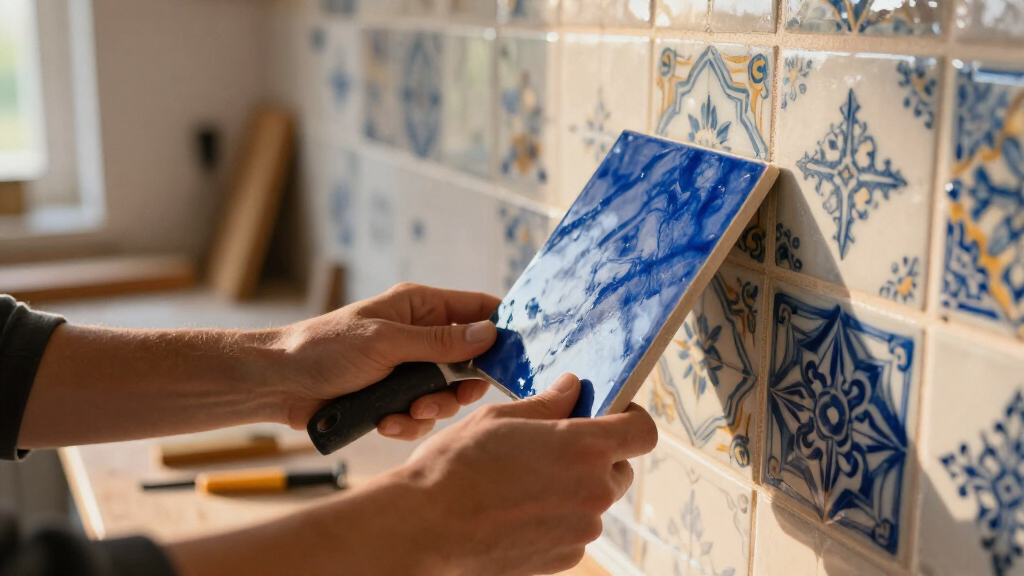
Azulejo, characterized by its vibrant geometric and floral patterns, dates back to the 15th century and has been a prominent feature in Portuguese architecture, from palaces to everyday homes. The craft involves intricate hand-painting and glazing techniques passed through generations.
Cultural officials in Portugal have expressed pride in this recognition, emphasizing its role in promoting both cultural heritage and tourism. The inscription aims to support initiatives that safeguard traditional techniques and encourage contemporary adaptations.
Implications of UNESCO Recognition for Azulejo Preservation
This recognition by UNESCO elevates azulejo’s status as a cultural treasure, potentially increasing international awareness and tourism. It also provides a framework for safeguarding traditional techniques amid modern industrial influences. The inscription may lead to increased funding for preservation projects and educational programs, ensuring that future generations continue to appreciate and practice this art form.
hand-painted azulejo ceramic tiles
As an affiliate, we earn on qualifying purchases.
As an affiliate, we earn on qualifying purchases.
Historical and Cultural Background of Azulejo in Portugal
Azulejo is a form of painted ceramic tile that originated in the Iberian Peninsula, with origins tracing back to the Moors. In Portugal, it became a defining feature of architectural decoration from the 15th century onward, reaching a peak during the Renaissance and Baroque periods.
Throughout history, azulejo has been used both decoratively and narratively, depicting religious scenes, historical events, and everyday life. The craft was traditionally carried out by local artisans, with techniques refined over centuries.
Despite its cultural importance, azulejo faced decline in the 20th century due to industrialization and changing tastes. Recent efforts by cultural organizations and artisans have aimed to revitalize the craft and promote its heritage.
“This UNESCO inscription is a milestone that recognizes the artistic and cultural value of azulejo, ensuring its preservation for future generations.”
— Maria Lopes, Portuguese Cultural Ministry Official
As an affiliate, we earn on qualifying purchases.
Uncertainties Surrounding Future Preservation Efforts
While the UNESCO inscription provides recognition, it is not yet clear how this will translate into concrete funding or policy changes. The extent of support from local and national governments for preservation initiatives remains to be seen. Additionally, the impact on commercialization and tourism in specific regions is still developing.
As an affiliate, we earn on qualifying purchases.
Next Steps for Azulejo Cultural Conservation
Portuguese authorities and cultural organizations plan to develop detailed preservation programs, including funding, workshops, and educational campaigns, to implement the UNESCO guidelines. Monitoring and evaluating the impact of this recognition will be ongoing, with updates expected over the next year. Efforts will also focus on integrating azulejo into contemporary art and architecture to ensure its relevance.
As an affiliate, we earn on qualifying purchases.
Key Questions
What is azulejo?
Azulejo is a traditional Portuguese ceramic tile characterized by colorful geometric and floral patterns, used extensively in architecture and decoration since the 15th century.
Why was azulejo added to UNESCO’s list?
It was inscribed for its cultural, artistic, and historical significance as a key element of Portugal’s heritage, and to promote its preservation and transmission to future generations.
How will this recognition affect azulejo artisans?
It may lead to increased support, funding, and visibility, encouraging artisans to continue traditional techniques and innovate within the craft.
Are there any challenges facing azulejo preservation?
Yes, challenges include industrialization, changing tastes, and limited resources for comprehensive preservation efforts, which UNESCO recognition aims to address.
What are the plans for promoting azulejo in the future?
Future plans include developing preservation programs, educational initiatives, and integrating azulejo into contemporary art and architecture to keep the tradition alive.
Source: hn
Halloween Picks
halloween
As an affiliate, we earn on qualifying purchases.