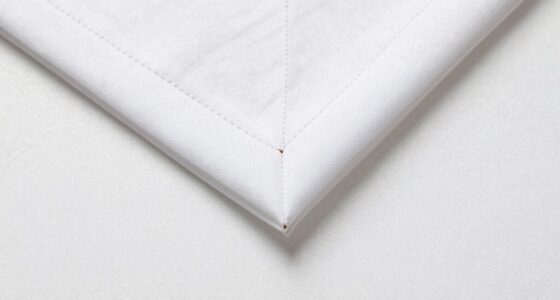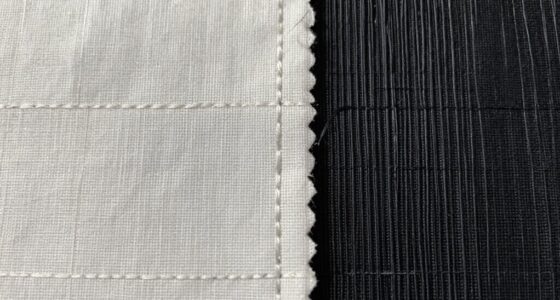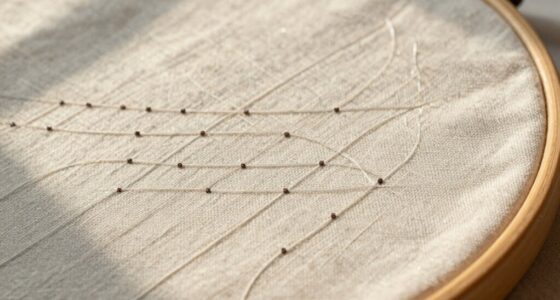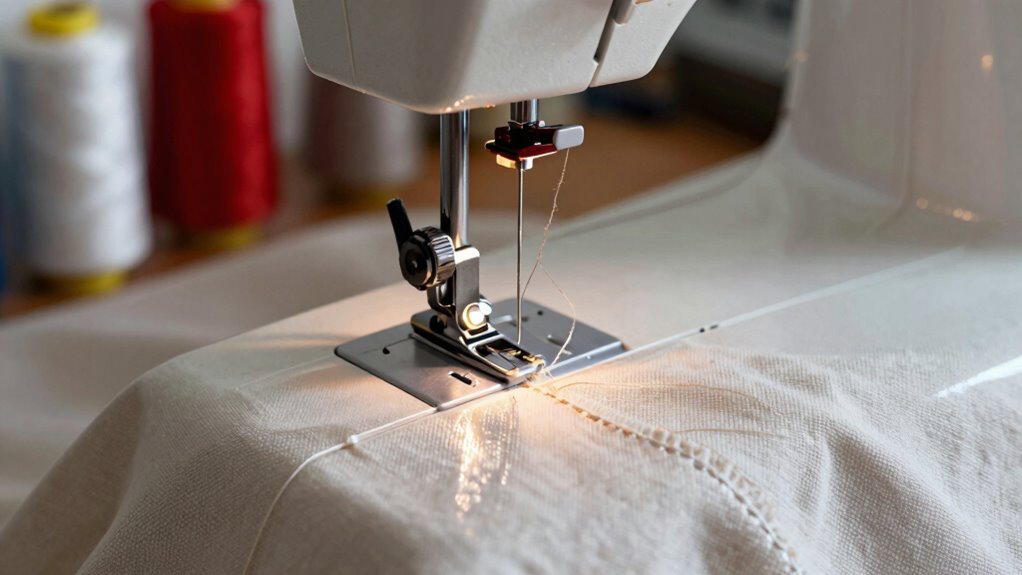

If your machine skips stitches, first check and adjust the thread tension to guarantee it’s balanced. Examine and re-thread the machine carefully, making sure the thread seats properly in all guides and tension discs. Swap out the needle for a new, appropriately sized one for your fabric, and inspect it for damage. Keeping your machine clean from lint and debris also helps prevent skips. To learn more tips on fixing skipped stitches easily, keep exploring these simple solutions.

Get business pricing on tools and workshop supplies
- Business-only prices and quantity discounts
- Tax-exempt purchasing
- Multiple users, one account, clear invoices
Key Takeaways
- Re-thread both the upper thread and bobbin, ensuring all guides and tension discs are properly seated.
- Check and replace the needle if it’s dull, bent, or damaged to prevent skipped stitches.
- Adjust the machine’s tension settings gradually based on fabric and thread type.
- Clean lint and debris from the bobbin area and tension discs for smooth operation.
- Test on scrap fabric after adjustments to confirm stitches are balanced and secure.
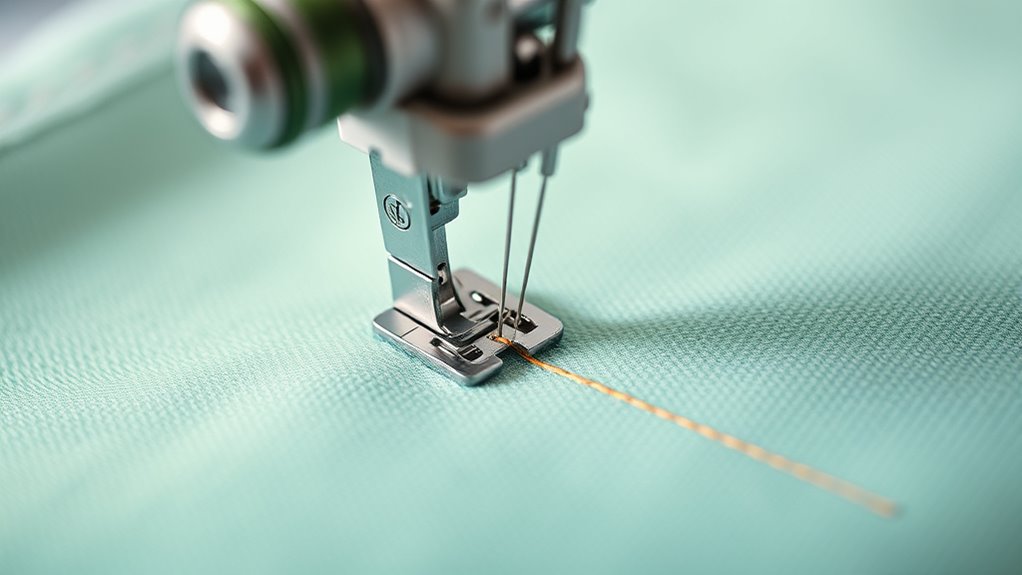
Have you ever wondered why your sewing machine skips stitches? It can be frustrating, especially when you’re in the middle of a project. Often, the cause comes down to simple adjustments you can make without starting over. One of the first things to check is your thread tension. If the tension is too loose or too tight, your stitches won’t form properly, leading to skipped stitches. When the tension is off, the thread either pulls too tightly, causing puckering or uneven stitches, or it’s too loose, resulting in loops or missed stitches. To fix this, test your tension on a scrap piece of fabric, adjusting the tension dial gradually until the stitches look balanced—smooth, even, and secure. Remember, different fabrics and threads require different tension settings, so don’t hesitate to tweak it for each project.
Another common culprit is using the wrong needle size for your fabric and thread. A needle that’s too small may not penetrate the fabric deeply enough, causing skipped stitches, while one that’s too large can damage delicate fabrics or create uneven stitching. Make sure you’re using the appropriate needle size for your fabric type. For example, lightweight fabrics need smaller, sharper needles, while thicker materials benefit from larger, sturdier needles. Changing the needle is quick and inexpensive, and doing so regularly ensures your machine functions smoothly. Also, inspect the needle for any damage or burrs—bent or dull needles can easily cause skipped stitches. Replacing a worn or damaged needle often solves the issue instantly. Proper thread tension and needle selection are especially important for achieving high-quality images on a home cinema projector.
In addition to tension and needle size, check that your thread is correctly threaded through all the guides and tension discs. Incorrect threading can lead to inconsistent stitches or skipped ones. Follow your machine’s threading instructions carefully, and re-thread if necessary, making sure the thread seats properly in each guide and tension mechanism. Sometimes, the thread can be caught or not seated correctly, causing tension issues that lead to skipped stitches. Keep your machine clean and free of lint, especially around the bobbin area, as debris can interfere with proper tension and stitch formation.
sewing machine needle size replacement
As an affiliate, we earn on qualifying purchases.
As an affiliate, we earn on qualifying purchases.
Frequently Asked Questions
Can Skipped Stitches Damage My Fabric Permanently?
Skipped stitches can cause fabric damage if left unaddressed, especially if the fabric is delicate or fragile. While skipped stitches generally don’t permanently harm your fabric, they can weaken stitch integrity, leading to unraveling or further damage over time. To protect your fabric, fix skipped stitches promptly by adjusting your machine or re-sewing the area, preventing long-term issues and maintaining your project’s quality.
How Often Should I Clean My Sewing Machine to Prevent Skipped Stitches?
Did you know that regular maintenance can extend your sewing machine’s lifespan by up to 50%? You should follow a maintenance schedule of cleaning your machine every 10-15 hours of use or at least once a month. Consistent cleaning frequency prevents lint buildup and guarantees smooth stitches, reducing skipped stitches and keeping your machine running efficiently. Don’t wait for problems—make cleaning part of your sewing routine!
Is It Necessary to Replace the Needle After Skipped Stitches Occur?
Yes, replacing the needle is necessary after skipped stitches occur. During sewing machine maintenance, a dull or bent needle can cause skipped stitches, so swapping it out guarantees smooth sewing. You should regularly change your needle—especially after noticing issues—to keep your machine in top condition. Proper needle replacement helps prevent future skipped stitches, reduces wear on your machine, and improves sewing quality. Always use the right needle type for your fabric.
Do Different Fabric Types Require Different Sewing Machine Adjustments?
A stitch in time saves nine, so you should always adjust your sewing machine for different fabric types. Yes, fabrics vary in thickness and texture, requiring specific sewing machine settings and fabric compatibility adjustments. For delicate fabrics, lower tension and finer needles work best, while sturdy materials need stronger stitches and tension. Always test on scraps first to avoid skipped stitches and confirm your machine’s settings match the fabric you’re sewing.
Can Using a Different Thread Type Help Prevent Skipped Stitches?
Yes, using a different thread type can help prevent skipped stitches. Make sure your thread compatibility matches your fabric and machine requirements, and choose the right needle selection for the thread you’re using. If the thread is too thick or incompatible, it may cause skipping. Switching to a high-quality, appropriate thread and adjusting your needle accordingly can improve stitch consistency and reduce skipped stitches without re-sewing everything.
automatic thread tension adjuster for sewing machine
As an affiliate, we earn on qualifying purchases.
As an affiliate, we earn on qualifying purchases.
Conclusion
Now that you know how to fix skipped stitches, you’ll sew with confidence, enjoy your projects, and avoid frustration. By checking your needle, adjusting tension, and cleaning your machine, you guarantee smooth stitching every time. Keep practicing, stay patient, and trust your skills. With these simple steps, you’ll enjoy flawless stitches, create beautiful seams, and embrace sewing as a rewarding craft. Happy sewing, and never let skipped stitches slow you down again!
sewing machine lint cleaner tool
As an affiliate, we earn on qualifying purchases.
As an affiliate, we earn on qualifying purchases.
As an affiliate, we earn on qualifying purchases.
Halloween Picks
halloween
As an affiliate, we earn on qualifying purchases.