The hidden reason some handmade gifts age poorly is often due to choosing materials that aren’t resilient and using craftsmanship that isn’t durable. When delicate fabrics, weak adhesives, or fragile woods are used, the item becomes prone to tears, tarnishing, or breaking over time. Poor finishing or assembly can create weak points that accelerate damage. If you want your handmade gifts to last, it’s essential to understand how material strength and craftsmanship impact their longevity—there’s more to uncover.

Get business pricing on tools and workshop supplies
- Business-only prices and quantity discounts
- Tax-exempt purchasing
- Multiple users, one account, clear invoices
Key Takeaways
- Using low-quality or fragile materials increases the risk of deterioration over time.
- Poor craftsmanship creates weak points that accelerate damage and reduce longevity.
- Environmental exposure can worsen the effects of inadequate material resilience.
- Combining weak materials with careless assembly compounds early aging issues.
- Lack of understanding about material properties and craftsmanship leads to faster deterioration.

Handmade gifts often carry a special charm, but sometimes they don’t age as gracefully as expected. One of the main reasons for this is the overlooked importance of material durability and craftsmanship quality. When you create or choose a handmade item, it’s easy to focus on the aesthetic or personal touch, but neglecting the strength of the materials and the skill behind the craftsmanship can lead to a gift that deteriorates quickly over time. If the materials used aren’t resilient or suitable for everyday use, the gift might look good initially but fall apart or lose its appeal faster than you’d hope.
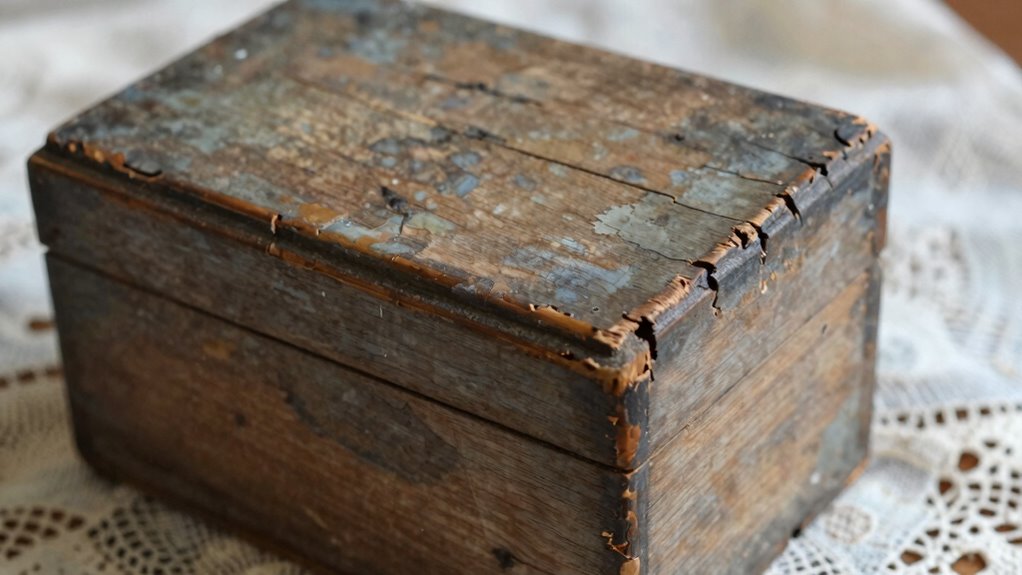
Material durability plays an essential role in how well a handmade gift ages. For example, using delicate fabrics or weak adhesives in a craft project can cause tears, fraying, or peeling as the item gets handled or exposed to environmental factors. Similarly, fragile woods or low-quality metals in jewelry or decor pieces can tarnish, crack, or break easily. If you’re not attentive to the strength and longevity of the materials, your gift might start to show signs of wear within months, diminishing its original beauty and sentimental value. Paying attention to material properties can significantly impact the longevity of your handmade creations. Additionally, understanding material resilience can help you select materials that better withstand the test of time.
Equally important is craftsmanship quality. A beautifully crafted item with sloppy finishing, uneven stitching, or poorly assembled parts won’t stand the test of time. When you invest in or craft a handmade gift, you want to guarantee that each detail is carefully executed. Skilled craftsmanship means tighter seams, properly sealed finishes, and thoughtfully chosen techniques that add strength and durability. If the craftsmanship isn’t up to par, even high-quality materials can’t compensate for weak points that lead to early damage and deterioration.
Many people underestimate how much craftsmanship quality influences a gift’s lifespan. A well-made piece, even if simple, tends to age better because it’s built to last. Conversely, rushed or careless work often results in weak spots, making the gift more susceptible to damage over time. When you combine subpar materials with poor craftsmanship, you create a gift that’s destined to age poorly, no matter how meaningful or beautiful it looks initially. Additionally, understanding the importance of material durability can help you select items that better withstand the test of time.
In the end, understanding the importance of material durability and craftsmanship quality can help you make smarter choices when creating or selecting handmade gifts. Paying attention to these aspects assures that your thoughtful gesture remains a cherished keepsake rather than a fleeting memory. If you want your handmade gift to stand the test of time, focus on sturdy materials and meticulous craftsmanship—because these are the hidden reasons some handmade gifts age poorly.
durable fabric for handmade gifts
As an affiliate, we earn on qualifying purchases.
As an affiliate, we earn on qualifying purchases.
Frequently Asked Questions
How Can I Prevent My Handmade Gift From Deteriorating Over Time?
To prevent your handmade gift from deteriorating, start with proper gift wrapping to protect it from dust, moisture, and sunlight. Use acid-free materials for preservation, especially for sentimental items like photos or fabric. Handle your gift gently and store it in a cool, dry place. Regularly check on its condition, and consider applying protective coatings if suitable. These steps help maintain its sentimental value and extend its lifespan.
What Materials Are Most Prone to Aging Poorly in Handmade Items?
Imagine your handmade gift as a delicate garden, where some plants with tender roots struggle in harsh weather. Materials like unsealed wood, delicate fabrics, and certain metals are prone to aging poorly, showing vulnerabilities like cracking, fading, or tarnishing. Aging indicators reveal these weaknesses, with discoloration or brittleness serving as signs. To protect your creation, choose resilient materials and apply protective finishes, ensuring your gift withstands the test of time.
Does Storage Method Affect the Longevity of Handmade Gifts?
Yes, your storage method impacts how long handmade gifts last. Using appropriate storage containers keeps items protected from moisture, light, and dust, which can cause aging. Avoid wrapping fragile or delicate gifts tightly with gift wrapping paper, as it may trap moisture or cause damage over time. Instead, choose breathable, acid-free storage containers and store items in a cool, dry place to preserve their beauty and integrity longer.
Are There Specific Finishing Techniques That Improve Durability?
Yes, applying proper finishing techniques and material treatment can substantially improve your handmade gift’s durability. You should seal surfaces with varnish or wax, especially for wood or fabric, to protect against moisture and wear. Using appropriate treatments like heat setting or chemical fixes also enhances longevity. These steps help prevent premature aging, ensuring your gift stays beautiful longer, even with regular use or exposure to environmental factors.
How Do Environmental Factors Influence the Aging of Handmade Gifts?
Oh, how environmental villains love to sabotage your handmade masterpieces! You see, material susceptibility to environmental degradation really shows when humidity, sunlight, or pollution sneak in. These factors accelerate wear and tear, making your gift look older than it should. So, if you want your handmade treasures to age gracefully, protect them from these environmental hazards, because neglecting this can turn your heartfelt gift into a sad, faded relic.
As an affiliate, we earn on qualifying purchases.
Conclusion
So, next time you pour your heart into a handmade gift, ask yourself: are you choosing the right materials? The secret to timeless keepsakes isn’t just about skill, but about knowing what will age gracefully. Don’t let your thoughtful creations fade away too soon—pay attention to material quality and care. After all, isn’t it worth ensuring your heartfelt gift lasts a lifetime, just like the memories it’s meant to create?
quality woodworking tools for crafts
As an affiliate, we earn on qualifying purchases.
As an affiliate, we earn on qualifying purchases.
professional finishing supplies for handmade items
As an affiliate, we earn on qualifying purchases.
As an affiliate, we earn on qualifying purchases.
Columbus Day / Indigenous Peoples' Day Picks
long weekend sales
As an affiliate, we earn on qualifying purchases.