TL;DR

Get business pricing on tools and workshop supplies
- Business-only prices and quantity discounts
- Tax-exempt purchasing
- Multiple users, one account, clear invoices
Hunker describes a no-sew, café awning-style window treatment made from scrap fabric, triangular shelf brackets, fabric adhesive and trim, based on a project by YouTube creator @taelynkcrosbyart. The decorative option can preserve views and natural light, but it is not presented as a full-privacy or room-darkening solution.
Hunker has featured a no-sew window awning made from scrap fabric, triangular shelf brackets, adhesive and decorative trim, adapting a project shared by YouTube creator @taelynkcrosbyart. The treatment is aimed at windows where homeowners want decoration and some coverage at the top without giving up the view or natural light that full curtains or blinds can block.
The project uses one piece of fabric wide enough to span the window and wrap around the sides of the brackets, a pair of triangular shelf brackets, strong fabric glue and trim for the lower edge. Hunker says the creator’s version used beige striped fabric and lace trim. The method does not require sewing: the fabric is stretched across the tops of the mounted brackets, glued in place, then folded around the sides and tucked behind them.
After securing the fabric, the maker trims excess material but leaves about an inch below the bracket bottoms. Glue-secured trim covers that cut edge, giving the awning a finished lower border. Hunker identifies waterproof, non-yellowing Gorilla Fabric Glue as one possible adhesive, while presenting it as an example rather than the only suitable product.
Bracket position affects how much of the window the awning covers. In the video, the brackets’ bottoms line up with the top of the window frame. Hunker also cites a commenter and window-treatment brand blogs recommending a lower position, so the fabric covers the very top of the window. Its suggested practical check is to drape the fabric over the brackets before gluing and adjust the bracket height if the appearance or coverage is unsatisfactory.
A Light-Filtering Alternative for Small Windows
The awning offers a low-material alternative to full curtains or Roman shades for spaces such as kitchens and laundry rooms, where complete privacy or shade may not be needed. Because the fabric sits above the window rather than covering its full surface, it can leave much of the glass open to daylight and views. That makes it a decorative option, not a substitute for window coverings intended to block sightlines or darken a room.
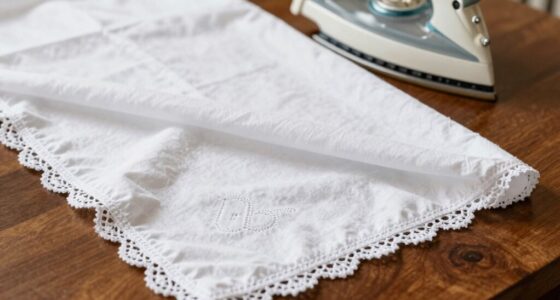
Using leftover textiles may also reduce the need to buy a full panel of new fabric. Hunker suggests repurposing items such as an old sheet, a curtain panel or a rectangular table runner. The project’s affordability will depend on whether brackets, adhesive and trim are already available or must be purchased; the report provides no price estimate or measured savings.
Popular right now

Ninja Foodi Air Fryer 8 Qt DualZone 6-in-1 Grey DZ201

Apple AirPods Pro (1st Generation) with MagSafe Charging Case

Vitamix 5200 Blender with 64 oz. Container, Black
As an affiliate, we earn on qualifying purchases.
How the No-Sew Awning Is Built
Hunker frames café curtains and valances as common choices for rooms that need less coverage than bedrooms or other private spaces. Its featured design differs from a typical curtain by creating a shallow, fixed awning over the upper part of the window. The source describes it as a project demonstrated in a YouTube short, not as a tested product or a formal installation guide.
For the brackets, Hunker says some buyers may prefer reversible models with mounting-screw holes on two sides. That can give more choice over which side is attached to the wall and how far the awning projects. Fabric and trim can be adapted to the room: the report suggests neutral fabric and flatter trim for a simpler look, or patterned textiles and fringe for a more decorative style. These are design suggestions, not requirements for the construction method.
“The project does not involve sewing.”
— Hunker, describing the project by YouTube creator @taelynkcrosbyart
Coverage, Fixings and Durability
The report does not provide measurements for the featured window, fabric weight, bracket dimensions or load limits, and it does not say how long the glued fabric will remain secure. It also does not establish whether the method suits every wall surface or window layout. The appropriate bracket placement depends on the window and the desired amount of coverage; Hunker’s suggested dry placement check is not a guarantee of a particular result.
The awning is described as decorative and suited to rooms that may not require full privacy or shade. It should not be assumed to provide either: the source gives no testing or performance claims about privacy, light reduction or durability. Hunker also does not report a price comparison, user testing or independent evaluation of the adhesive.
Test the Fit Before Gluing
For readers following the featured method, the next step is to choose fabric and trim, mount the brackets at a provisional height and drape the fabric over them before applying adhesive. Check the amount of window covered and how far the awning projects, then reposition the brackets if needed. Once satisfied, secure the fabric, fold and tuck the sides, trim the excess while leaving a short lower allowance, and attach trim over the cut edge.
Hunker does not announce a follow-up test, product release or additional development. The finished result will depend on the materials and window chosen, and the source does not provide verified guidance on long-term performance.
Key Questions
What materials does the no-sew window awning require?
The project calls for two triangular shelf brackets, a fabric piece wide enough to span the window and wrap around the bracket sides, strong fabric adhesive and trim for the bottom edge.
Does this awning provide full privacy?
No such performance is established in Hunker’s report. The awning covers the upper portion of a window and is presented as a decorative option for rooms that may not need full privacy or shade.
How high should the brackets be mounted?
The creator positioned the brackets with their bottoms level with the top of the window frame, while Hunker notes suggestions to lower them so the fabric covers the top of the window. Drape the fabric in place before gluing to check the preferred height.
Can old household fabric be reused?
Yes. Hunker suggests a leftover curtain panel, an old bed sheet or a rectangular table runner, provided the piece is large enough for the window and bracket sides.
Source: hunker.com