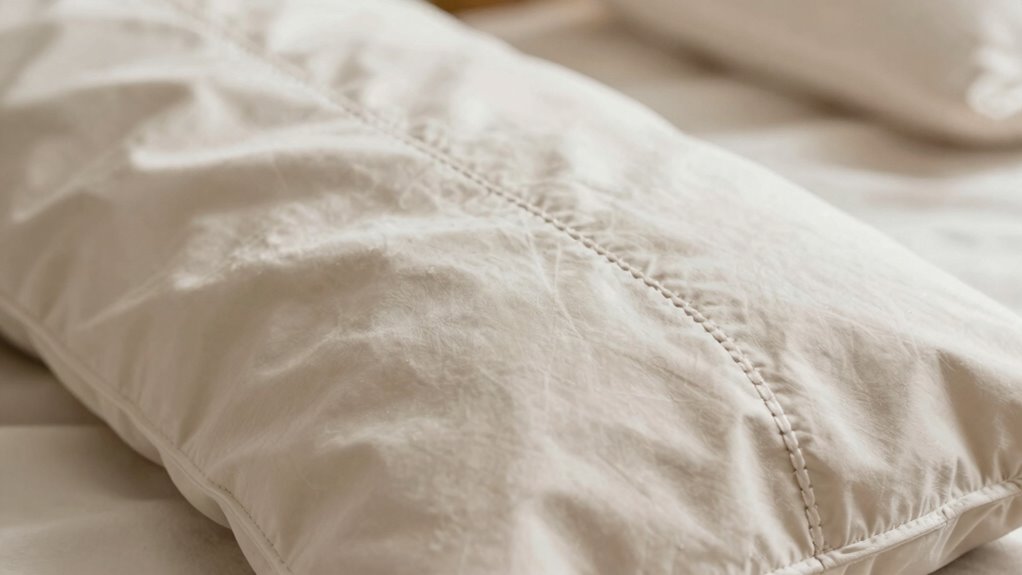

To fix the “too homemade” look in soft goods, focus on choosing high-quality natural fabrics with consistent texture and minimal flaws. Use precise, even stitches and add finishing touches like topstitching, narrow hems, or piping for a polished appearance. Carefully press and align all seams, reinforce stress points, and select quality zippers or buttons. Small details make a big difference, so refine each element to elevate your craftsmanship. Keep exploring to uncover more tips for professional results.

Get business pricing on tools and workshop supplies
- Business-only prices and quantity discounts
- Tax-exempt purchasing
- Multiple users, one account, clear invoices
Key Takeaways
- Use high-quality, natural fabrics with consistent textures and minimal flaws for a polished appearance.
- Employ precise, even stitching and neat finishing techniques like narrow hems and topstitching.
- Reinforce stress points and ensure all seams and details are securely and accurately attached.
- Incorporate professional touches such as piping, bias binding, and high-quality closures.
- Properly press and present items to enhance their refined, professional look.

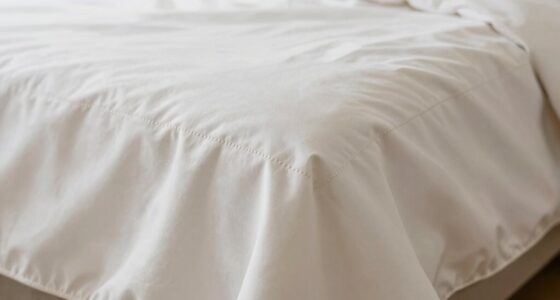
When your soft goods look too homemade, it can undermine their professional appeal and limit sales. To elevate the quality and give your products a polished look, start by examining your fabric selection. Choosing the right fabric is vital; opt for high-quality materials that have a refined appearance and consistent texture. Natural fibers like cotton, linen, or silk often convey a more sophisticated vibe, especially when compared to cheaper, synthetic options that can appear rough or flimsy. Pay attention to the weight, drape, and weave of the fabric—these details considerably influence the overall finish. Avoid fabrics with visible flaws or uneven coloring, as these can make your product look less professional.
Choosing high-quality, natural fabrics with consistent textures elevates your soft goods’ professional, polished appearance.
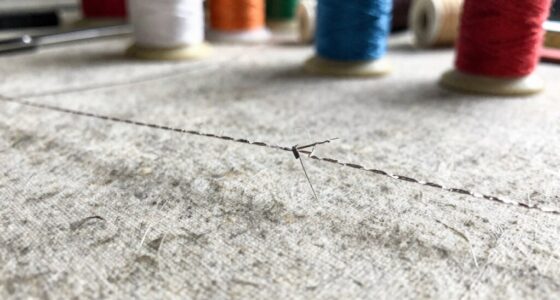
Next, focus on refining your finishing techniques. How you handle the edges, seams, and details can dramatically transform the look of your soft goods. Use precise, even stitches instead of uneven or loose seams, which can give a homemade feel. Consider employing techniques such as topstitching, which not only adds durability but also creates a clean, intentional look. Proper pressing is essential—press seams flat and smooth out wrinkles before final assembly to achieve a crisp, tailored appearance. For finishes like hems or edges, use neat, narrow hems rather than raw or bulky seams, which tend to appear amateurish. Incorporate techniques like bias binding or piping to give your edges a finished, professional look that draws attention to the craftsmanship rather than the flaws. Additionally, understanding fabric qualities such as fiber content and weave can help you select materials that naturally lend themselves to a more refined look. Developing an understanding of fabric characteristics can also guide you toward selecting textures and finishes that elevate your soft goods. Maintaining consistent sewing precision is crucial, especially when working with multiple pieces or intricate designs, to ensure a cohesive and polished appearance. Recognizing how different fabric finishes can affect the final appearance allows for more intentional design choices that enhance the overall look.
In addition to sewing techniques, pay attention to how you handle details like closures, embellishments, and piping. Using high-quality zippers, buttons, and trims can make a noticeable difference. Sew these elements carefully, ensuring they’re aligned and securely attached. Avoid visible stitches or uneven spacing, which can suggest hurried or careless work. When necessary, add reinforcements in stress points—such as corners or handles—to improve durability and appearance over time.
Finally, consider the overall presentation of your soft goods. Properly press and fold your items before packaging or display. This step, along with consistent stitching and thoughtful fabric choices, communicates professionalism. When you combine good fabric selection with meticulous finishing techniques, your products will look less homemade and more like polished, premium offerings. This shift not only boosts your credibility but also attracts discerning customers willing to pay a higher price for quality craftsmanship.
high-quality natural fabric for sewing
As an affiliate, we earn on qualifying purchases.
As an affiliate, we earn on qualifying purchases.
Frequently Asked Questions
What Fabrics Are Best to Avoid a Homemade Look?
To avoid a homemade look, choose fabrics with a professional finish, like high-quality cotton, linen, or silk. Avoid overly stiff or flimsy materials, which can appear rushed. Focus on fabric selection that offers a smooth, consistent texture. Incorporate sewing tips like using sharp needles and precise seams to enhance the finish. These choices and techniques help your soft goods look polished rather than homemade.
How Can I Improve the Finishing Touches?
Think of your finishing touches like a vintage watch—precise and timeless. To improve them, regularly perform sewing machine maintenance to guarantee smooth stitches, and choose fabrics with good drape and quality for a polished look. Use fabric selection tips to avoid stiff or bulky materials. Trim excess threads, press seams neatly, and topstitch where appropriate. These small details elevate your project from homemade to handcrafted perfection.
Are There Professional Techniques to Refine Homemade Soft Goods?
Yes, you can refine your homemade soft goods with professional techniques. Use embellishment techniques like topstitching, piping, or decorative embroidery to elevate your pieces. Focus on fabric selection tips, choosing high-quality, coordinating fabrics that add sophistication. Press seams carefully and finish raw edges with professional-grade techniques such as serging or zigzag stitches. These steps will give your soft goods a polished, professional look, making them resemble store-bought items.
How Do I Choose the Right Patterns for a Polished Finish?
Did you know that 78% of people prefer DIY decorations with a polished look? To choose the right patterns for a polished finish, consider your skill level and the style you want. Opt for patterns with clean lines and simple shapes to minimize a homemade feel, while still maintaining that charming handmade vibe. Select patterns that align with your project’s purpose, and you’ll achieve a refined, professional look that highlights your handmade charm.
What Tools Help Achieve a More Professional Appearance?
To achieve a more professional look, use sharp tools like quality sewing machine needles and good-quality scissors, and perform regular sewing machine maintenance to keep stitches even. Incorporate fabric selection tips by choosing smooth, tightly woven fabrics that sew easily and look polished. Also, consider using clear presser feet for precise stitching. These tools and techniques help your soft goods look refined and professional every time.
professional sewing stitches tools
As an affiliate, we earn on qualifying purchases.
As an affiliate, we earn on qualifying purchases.
Conclusion
So, if your soft goods look like they were sewn by a tornado rather than a pro, don’t panic—you’ve got this! With just a few tweaks, you can turn that “too homemade” disaster into a masterpiece that could win awards (or at least stop people from politely avoiding your projects). Remember, every stitch is a step closer to perfection. Keep quilting, sewing, and fixing—soon, your soft goods will look so professional, they’ll make the experts jealous!
topstitching sewing machine attachments
As an affiliate, we earn on qualifying purchases.
As an affiliate, we earn on qualifying purchases.
As an affiliate, we earn on qualifying purchases.
Fall yard work Picks
leaf blowers
As an affiliate, we earn on qualifying purchases.